The human body contains secret, unmapped passageways that can suddenly betray us. For months or even years, a minor irritation might be dismissed as an everyday annoyance. We carry on with our routines, assuming the discomfort will naturally resolve. But beneath the surface, a microscopic tunnel is quietly carving its way through muscle and tissue.
When this hidden channel finally breaks through to the skin, it demands immediate attention. Deciphering the right course of action is like navigating a complex subterranean cave system. For those exploring their options for anal fistula treatment in Singapore, understanding the raw mechanics of the repair is the only way to avoid permanent damage. You must approach the healing process not as a quick fix, but as a deliberate architectural restoration.
The Illusion of the Healing Abscess
A profoundly common and costly mistake is treating the initial infection while ignoring the structural aftermath. People often visit an emergency room to have a painful abscess drained. The pressure vanishes, the pain subsides, and they assume the ordeal is entirely over. The reason this is so dangerous is that the source gland inside the anal canal remains infected. The temporary drainage path slowly solidifies into a permanent, hardened fistula tract. Leaving this structural defect behind guarantees a relentless cycle of reinfection.
Mapping the Subterranean Tract
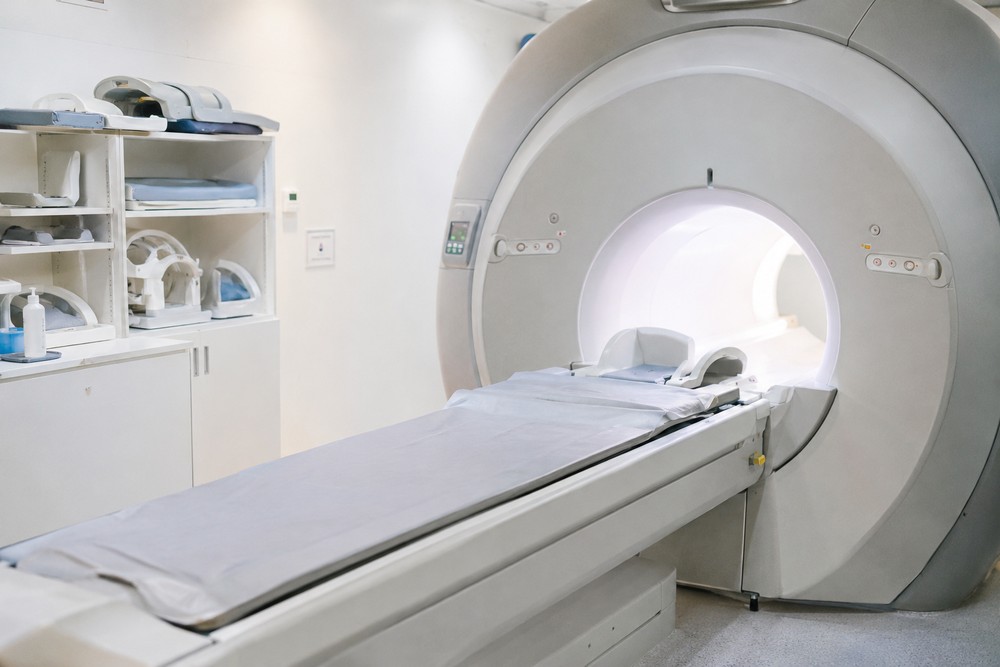
You must become an investigator of your own anatomy. A fistula is rarely a straight, predictable line. It can branch like a tree root, wrapping itself around the delicate sphincter muscles that control your continence. Before any surgeon touches a scalpel, a high-resolution MRI must be used to map the exact geography of the tunnel. Operating without this vital blueprint is like excavating a historic site with a bulldozer.
Trading Muscle Integrity for Certainty
When deciding how to dismantle the tunnel, you face a fierce, non-obvious trade-off. Most general surgical guides suggest a simple fistulotomy, which involves slicing the tract completely open to heal from the bottom up. The real answer is that if the tunnel crosses a significant portion of your sphincter muscle, cutting it will permanently destroy your bowel control. You must trade the ninety-five percent success rate of a straight cut for a sphincter-saving procedure like the LIFT technique. This preserves your muscle but carries a twenty to thirty percent chance of needing a second operation later.
A Clear Rule for Surgical Intervention
You need a clear decision rule to know when conservative waiting has failed. Apply this standard: if you experience recurring swelling and drainage from the exact same spot more than twice in a six-month period, cease taking oral antibiotics. The tunnel has formed a permanent epithelial lining that medication cannot dissolve. You must physically dismantle the architecture of the tract through surgery.
The Slow Pace of Tissue Regeneration
Let us look at the concrete reality of what happens after the tract is addressed. A patient who undergoes a fistulotomy will be left with an open, unstitched groove.
- Week one: The area produces heavy, continuous discharge as the body flushes the wound.
- Week four: The base of the groove begins filling with red, granular tissue.
- Week eight: The skin edges finally pull together to close the gap.
You cannot rush this timeline. The wound must heal precisely from the inside out to prevent a new pocket of infection from being trapped beneath the surface.
Enduring the Physical Excavation
Healing from this specific type of surgery demands a bloody-minded sort of stubbornness. You will spend hours soaking in warm sitz baths, carefully cleaning an area of the body that prefers to be left entirely alone. It is miserable, tedious work.
Repairing the foundation of your body is an ugly, magnificent triumph. It strips away your vanity and forces you to confront the raw machinery of your own biology. Once the tract is fully dismantled and the fresh tissue has taken hold, you are no longer guarding a fragile weak point. You can return to the basic rhythms of life with confidence, knowing the hidden tunnels are permanently sealed.