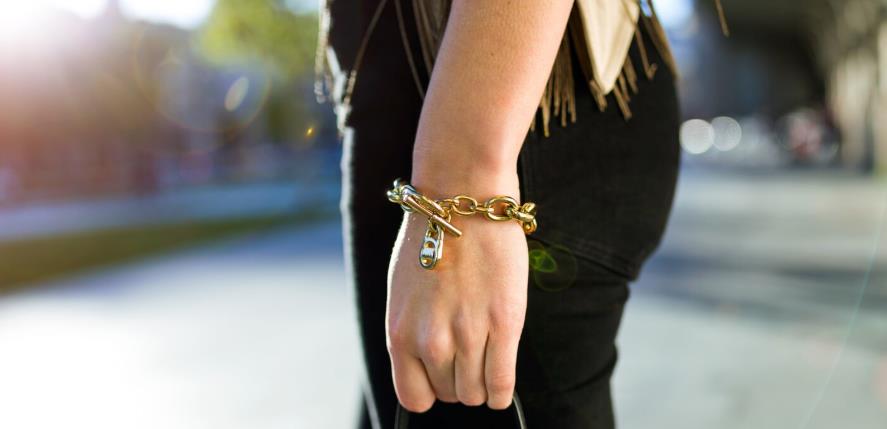
Throughout history, jewellery has served as a powerful expression of personal style, cultural identity, and social status. Among these adornments, bracelets for women hold a particularly fascinating role. These accessories are not merely decorative; they carry stories, emotions, and a distinctive flair that transcends eras. From ancient civilisations to modern fashion, bracelets have undergone a remarkable evolution, adapting to ever-changing tastes and trends while retaining their timeless allure.
Historical Significance and Cultural Roots
Bracelets have been cherished objects since the dawn of civilisation. Archaeological findings reveal that as far back as 7,000 years ago, women adorned their wrists with ornamental bands made from shells, stones, and bones. Such early examples demonstrate the inherent human desire for self-expression and decoration. In ancient Egypt, bracelets were worn by both genders, symbolising wealth and protection. Ornate pieces crafted from gold and adorned with precious stones often accompanied their wearers into the afterlife, demonstrating the deep spiritual significance attached to these objects.
In ancient Greece and Rome, bracelets served as status symbols, with intricate designs revealing the wearer’s social standing. The use of intricate metalwork and gemstones reflected the high level of craftsmanship achieved by artisans of the time. Similarly, in many Asian cultures, bracelets hold profound importance, often serving as talismans or symbols of marriage and familial ties. This rich tapestry of cultural significance contributes to the enduring charm and appeal of bracelets for women across the globe.
Materials and Techniques Through the Ages
The evolution of bracelets is marked by a fascinating exploration of materials and techniques. With the rise of metallurgy, the crafting of bracelets transitioned from natural materials to precious metals like gold, silver, and bronze. This shift allowed for greater complexity in design and durability in structure. Techniques such as granulation, filigree, and enamelling added new dimensions of beauty and intricacy to these creations.
The Renaissance period witnessed a revival of classic styles, and bracelets became increasingly elaborate, featuring detailed engravings and innovative clasps. During the Victorian era, bracelets took on new sentimental value, with woven locks of hair or engraved messages serving as cherished mementos. The Art Deco movement brought a bold, geometric aesthetic, incorporating platinum and diamonds, which highlighted the growing influence of industrialism and modernism in jewellery design.
Contemporary Styles and Trends
Today, the appeal of bracelets for women continues to evolve, with contemporary styles reflecting a dynamic blend of tradition and innovation. Modern jewellery design embraces an array of materials, from classic metals and gemstones to unconventional choices like leather, rubber, and even sustainable, recycled elements. Minimalist designs have gained popularity, with sleek, understated bracelets offering a versatile option for everyday wear.
Moreover, the rise of personalised jewellery has transformed bracelets into deeply meaningful pieces. Custom engravings, birthstones, and charms allow individuals to craft bracelets that tell their personal stories. This trend underscores a shift towards individuality and authenticity in fashion, allowing wearers to forge deeper connections with their chosen adornments.
The Role of Technology in Modern Jewellery
The integration of technology into jewellery design has opened exciting new possibilities for bracelet creation. 3D printing allows for unprecedented precision and complexity in design, enabling the production of intricate patterns that were once impossible to achieve by hand. Additionally, advancements in materials science have resulted in the development of new alloys and finishes, enhancing both the aesthetic and functional qualities of modern bracelets.
Furthermore, the rise of wearable technology has blurred the lines between accessories and devices. Smart bracelets now offer features such as fitness tracking, notification alerts, and even contactless payments, merging style with functionality in ways previously unimaginable.
Iconic Bracelet Designs and Their Influence
Certain bracelet styles have achieved iconic status, leaving an indelible mark on the world of fashion. The bangle, a rigid, unfastened bracelet, is deeply rooted in South Asian culture and has made its way into global fashion circles. The charm bracelet, with its dangling trinkets, gained popularity in the 20th century, serving as a canvas for personal expression. The tennis bracelet, characterised by its symmetrical line of diamonds, captured public attention when tennis star Chris Evert’s bracelet fell off during a match, leading to its now-famous name.
These iconic designs illustrate the enduring appeal of bracelets as a means of self-expression and their power to captivate the public imagination. Their influence continues to be felt in contemporary collections, where designers draw inspiration from past classics to create innovative, new styles.

Ethical Considerations in Jewellery
As consumers become increasingly conscious of ethical and environmental issues, the jewellery industry is undergoing a significant transformation. Sustainable and ethical sourcing of materials has gained prominence, with many jewellers committed to ensuring their pieces are environmentally friendly and socially responsible. This shift reflects a growing awareness of the impact of jewellery production on communities and ecosystems.
Transparency in the supply chain and the use of conflict-free diamonds and fair-trade metals are now important considerations for consumers. By choosing ethically crafted bracelets, individuals contribute to positive change in the industry, supporting fair labour practices and sustainable resource management.
Conclusion
In conclusion, bracelets for women embody a captivating journey through time, showcasing the evolution of design, materials, and cultural significance. From ancient talismans and status symbols to modern expressions of individuality and technology, these accessories continue to hold a treasured place in the world of fashion. The blend of tradition and innovation in bracelet design ensures their enduring appeal, inviting wearers to adorn their wrists with pieces that are not only beautiful but also rich with meaning and history. Whether crafted from precious metals or incorporating the latest technological advancements, bracelets remain a timeless testament to the artistry and creativity of jewellery design. As trends and styles continue to evolve, the legacy of bracelets as an essential accessory for women remains steadfast, embodying the elegant synthesis of past, present, and future in the realm of jewellery.