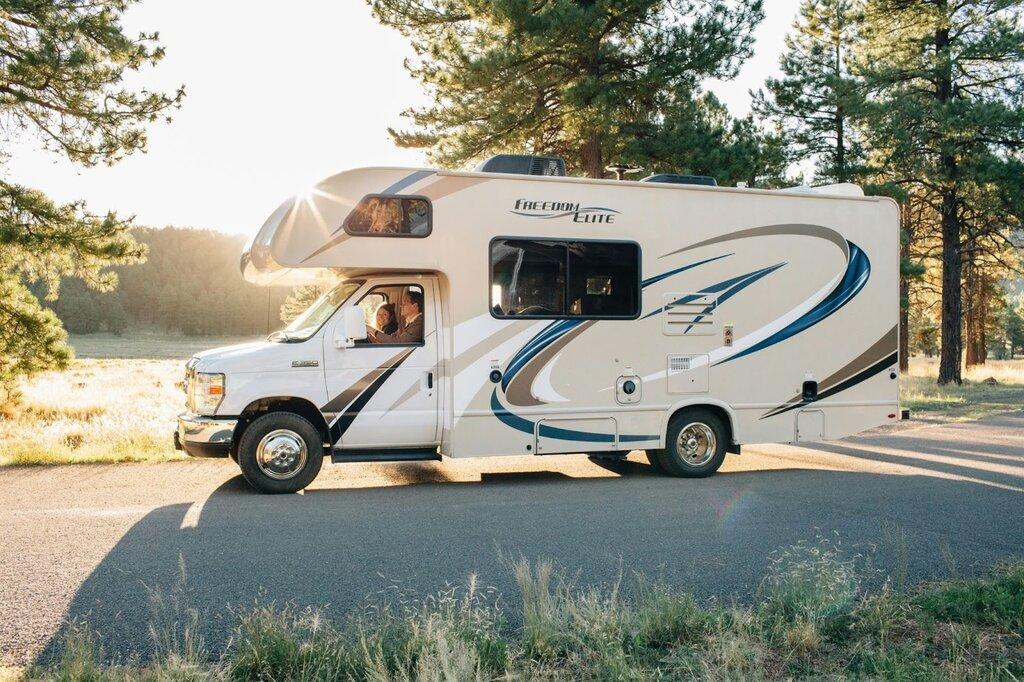
Key Highlights
- Australia’s RV sector has expanded due to lifestyle shifts and domestic travel trends.
- Supply chains, manufacturing capability, and dealership networks shape market growth.
- Urban demand, including interest in new motorhomes in Sydney, reflects changing buyer profiles.
- Financing options and resale value influence purchasing decisions.
Australia’s RV market has experienced steady growth over the past decade, supported by shifting travel habits, remote work flexibility, and renewed interest in domestic exploration. What was once considered a niche lifestyle has become mainstream for retirees, families, and professionals seeking mobility.
Behind the lifestyle appeal sits a complex business ecosystem. Manufacturers, importers, dealerships, financiers, and service providers all play a role in meeting growing demand. As consumer expectations evolve, the industry has adapted with improved build quality, expanded model ranges, and more transparent purchasing processes.
Understanding the business drivers behind this growth provides insight into where the market is heading next.
Lifestyle shifts driving demand
Domestic travel has gained renewed popularity, particularly as Australians explore regional destinations and extended road trips. Flexible work arrangements have also enabled longer periods on the road without disconnecting from employment.
These shifts have expanded the buyer demographic. Younger families and working professionals now join retirees as key customers. The appeal lies in independence, cost control over long-term accommodation, and the ability to tailor travel experiences.
Dealerships have responded by offering a broader range of configurations, from compact campervans to larger integrated motorhomes.
Manufacturing and supply chain pressures
The RV industry relies on both domestic manufacturing and imported components. Fluctuations in global supply chains have influenced production timelines and pricing in recent years.
Manufacturers have increasingly invested in local assembly and partnerships to maintain consistency. Improved engineering standards and attention to durability reflect growing competition and customer expectations.
Inventory management has also become more strategic. Dealerships monitor demand carefully to balance stock levels with production capacity.
The role of dealerships in market growth
Dealerships act as the primary interface between manufacturers and buyers. Beyond sales, they provide education, financing guidance, servicing, and warranty support.
As interest in new motorhomes in Sydney continues to rise, metropolitan dealerships are expanding showroom experiences and offering detailed consultations. Buyers often seek walkthroughs, feature comparisons, and tailored recommendations before committing.
After-sales service also plays a significant role in long-term customer satisfaction. Maintenance, upgrades, and resale support contribute to repeat business and brand loyalty.
Financing and affordability considerations
Rising vehicle prices have made financing options increasingly important. Structured finance packages allow buyers to spread the cost over time, making motorhome ownership more accessible.
Financial institutions and dealerships collaborate to offer loan products tailored to recreational vehicles. Buyers assess not only upfront price but also long-term value, maintenance costs, and resale potential.
Strong resale value in the Australian RV market has supported confidence among purchasers, particularly those upgrading to larger models.
Technology and design innovation
Modern motorhomes incorporate advanced technology, from solar integration and lithium battery systems to improved insulation and smart entertainment systems. Buyers now expect comfort comparable to residential living.
Manufacturers have invested in lightweight materials, aerodynamic design, and improved fuel efficiency. These upgrades influence both performance and operating costs.
As competition intensifies, innovation becomes a key differentiator.
Regional and urban market dynamics
Demand varies across regions. Rural buyers may prioritise off-road capability and self-sufficiency, while urban buyers often focus on manoeuvrability and storage convenience.
Interest in new motorhomes in Sydney reflects a mix of weekend travellers and long-term adventurers. Urban customers frequently seek vehicles that balance size with drivability in city environments.
Dealerships tailor inventory to reflect these preferences, ensuring models align with local demand patterns.
A market built on lifestyle and logistics
Australia’s RV sector is supported by more than wanderlust. It depends on coordinated manufacturing, dealership expertise, financial products, and reliable servicing infrastructure.
As travel habits continue to evolve, the industry is likely to expand further. Improved product diversity and transparent purchasing processes have strengthened consumer confidence.
For buyers exploring new motorhomes in Sydney, understanding the business landscape behind the showroom floor provides clarity. The growing RV market reflects not only a desire for adventure but also a well-developed commercial framework that supports long-term ownership.