Energy Efficiency Raises the Floor Price
Energy efficiency discreetly raises property value. Buyers feel it when a listing says enhanced insulation, high-performance windows, solar-ready wiring, or an efficient HVAC system. Not just smart-sounding features. Their monthly savings promise grows year after year.
A home that uses less energy puts money back in the owner’s pocket. Over a typical ownership period, that can translate into tens of thousands saved on utility bills. For many buyers, that math justifies a premium at the closing table. For sellers, investing in energy performance becomes a strategic way to lift the asking price without gilded finishes or extravagant add ons.
Efficiency is also a form of resilience. When temperatures spike or dip, a tight building envelope and balanced mechanical systems keep the home comfortable. That reliability reads as value in markets where weather volatility and rising energy costs are part of everyday life.
Lifestyle and Wellness Draw Committed Buyers
The market looks beyond square footage and curb appeal. Homes that promote health and responsibility are in demand. Homes with recycled or responsibly sourced materials, low VOC finishes, natural flooring, water-saving fixtures, and waste-reducing designs stand out.
These properties attract a buyer pool that knows what it wants and moves decisively. Instead of casual browsing, eco minded shoppers look for homes that reflect their values. When they find them, they act. That focus can shorten time on market and reduce the need for price cuts.
There is also an emotional component. A house that feels clean, intentional, and future ready creates trust. It signals that the seller invested in quality, not just cosmetics, and that the home will support the buyer’s health and finances over time.
Appraisers Recognize Green Upgrades
For years, the appraisal process struggled to capture the worth of sustainability. That is changing. Modern appraisers are now trained to assess energy efficient systems, durable materials, and design choices that reduce operating costs.
Solar arrays, geothermal heating and cooling, smart thermostats, improved insulation, and high-performing building envelopes are increasingly valued. Savings, lifecycles, and performance measures are documented in green addendums by lenders and appraisers. Long-term benefits become part of the official worth when correctly reported, not just a selling element in the listing description.
This shift matters for sellers. It aligns market perception with formal valuation and gives buyers confidence that the price reflects both present features and future benefits.
Materials That Endure Increase Worth
Durability is a quiet force in real estate. Many sustainable materials are designed to resist moisture, pests, fire, and weather better than conventional options. Recycled steel framing, fiber cement siding, reclaimed hardwoods, bamboo flooring, composite decking, and insulated concrete forms are built to last.
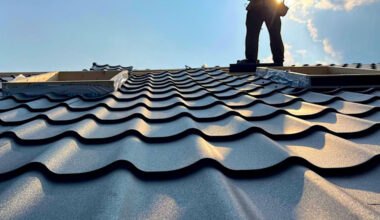
Fewer repairs mean lower ownership costs and less stress. When buyers see a roof with metal panels, recycled shingles, or solar integrated roofing rated for decades of service, they picture a future without expensive replacements. That peace of mind reads as value. It is the difference between a home that feels like a steady ship and one that looks good but creaks under the first storm.
Quality materials also age gracefully. They often look better longer, so the home maintains its appeal without constant refreshes. In neighborhoods where wind, rain, and sun take their toll, resilient construction can be the deciding factor.
Healthier Indoor Air Sets Homes Apart
Indoor air quality has become a major selling point. As more people work from home, they notice how a house smells, breathes, and feels. Green construction puts health at the center with VOC free paints, natural finishes, advanced filtration, balanced ventilation, and moisture conscious assemblies that minimize mold risk.
Step into an eco considerate home and the difference is immediate. Spaces feel fresher and brighter, not chemical or stale. That first impression builds an emotional connection and elevates perceived value. It is like walking into a garden after rain. The air feels alive and the mind relaxes.
Healthier air is also a long term benefit. Fewer airborne irritants and better humidity control can reduce allergies, improve sleep, and support overall well being. Buyers are willing to pay more for those everyday gains.
Architecture That Feels Good Year Round
Sustainable construction relies on thoughtful design. More than energy techniques, sun orientation, shading that restricts heat gain, window placement that supports cross ventilation, and space layouts that assist thermal balance. They quiet and relax the home year-round.
A well designed green home is like a finely tuned instrument. It responds to sun and wind naturally, so it plays the same pleasant notes no matter the weather. Spaces glow during the day without harsh glare. Summer afternoons stay temperate. Winter mornings feel warm without blasting heat.
These qualities are obvious to buyers within minutes. Comfort is visceral. It turns a showing into a yes. And because it is baked into the architecture, it lasts far longer than trend driven decor.
Smart Systems and Renewable Readiness
Technology amplifies sustainability. Smart thermostats, zoned HVAC controls, energy monitoring, adaptive lighting, and water leak sensors reduce waste and prevent damage. Buyers appreciate homes that simplify efficiency with automation.
Renewable readiness matters, too. Conduit and roof structure designed for solar, panel capacity planned for future electrification, and EV charging infrastructure make the home adaptable. In markets moving toward electric appliances and vehicles, that foresight is a clear advantage. It turns a home into a platform for the next decade of living, not a project that needs immediate upgrades.
Speed to Sale and Market Perception
Sustainable homes tend to sell faster. They draw a focused audience, pass inspection with fewer issues, and look strong under the scrutiny of due diligence. Lower projected operating costs help buyers qualify and feel confident. The story is simple and persuasive. Pay a bit more now, save every month, live healthier, and reduce risks.
That narrative translates to better marketing. Listings with verifiable performance and durable features stand out in saturated markets. They photograph well, tour well, and appraise well. In competitive seasons, those advantages can be the difference between multiple offers and price reductions.
FAQ
Do energy efficient upgrades really increase appraised value?
Yes. Appraisers now account for features like superior insulation, high performance windows, efficient HVAC, smart controls, and renewable energy systems. With proper documentation, these upgrades can raise the appraised value by reflecting lower operating costs and longer lifecycles.
Which green features deliver the biggest ROI?
Features that cut monthly expenses and improve durability often deliver the strongest returns. Upgraded insulation and air sealing, heat pump systems, high performance windows, solar arrays, durable siding and roofing, and smart thermostats are consistent winners. Healthy materials and balanced ventilation add perceived value by improving comfort and air quality.
How can sellers showcase sustainability to buyers and appraisers?
Provide a clear, organized packet. Include product specs, installation dates, performance ratings, utility bills, blower door or duct testing results, renewable energy production data if applicable, and any green addendum forms used by lenders. Walk buyers through how each feature reduces costs or improves health to make benefits tangible.
Are eco homes more expensive to build?
They can cost more upfront, depending on the scope and local pricing, but many investments pay for themselves through lower utilities, reduced maintenance, and longer replacement cycles. Thoughtful design choices, right sizing systems, and smart material selection often offset premiums while delivering a better living experience.
Do green certifications matter?
They can. Certifications help standardize and verify performance, which supports marketing and appraisal. Buyers gain confidence from third party validation, and appraisers can reference documented criteria. Even without formal certification, detailed records and test results can demonstrate benefits effectively.