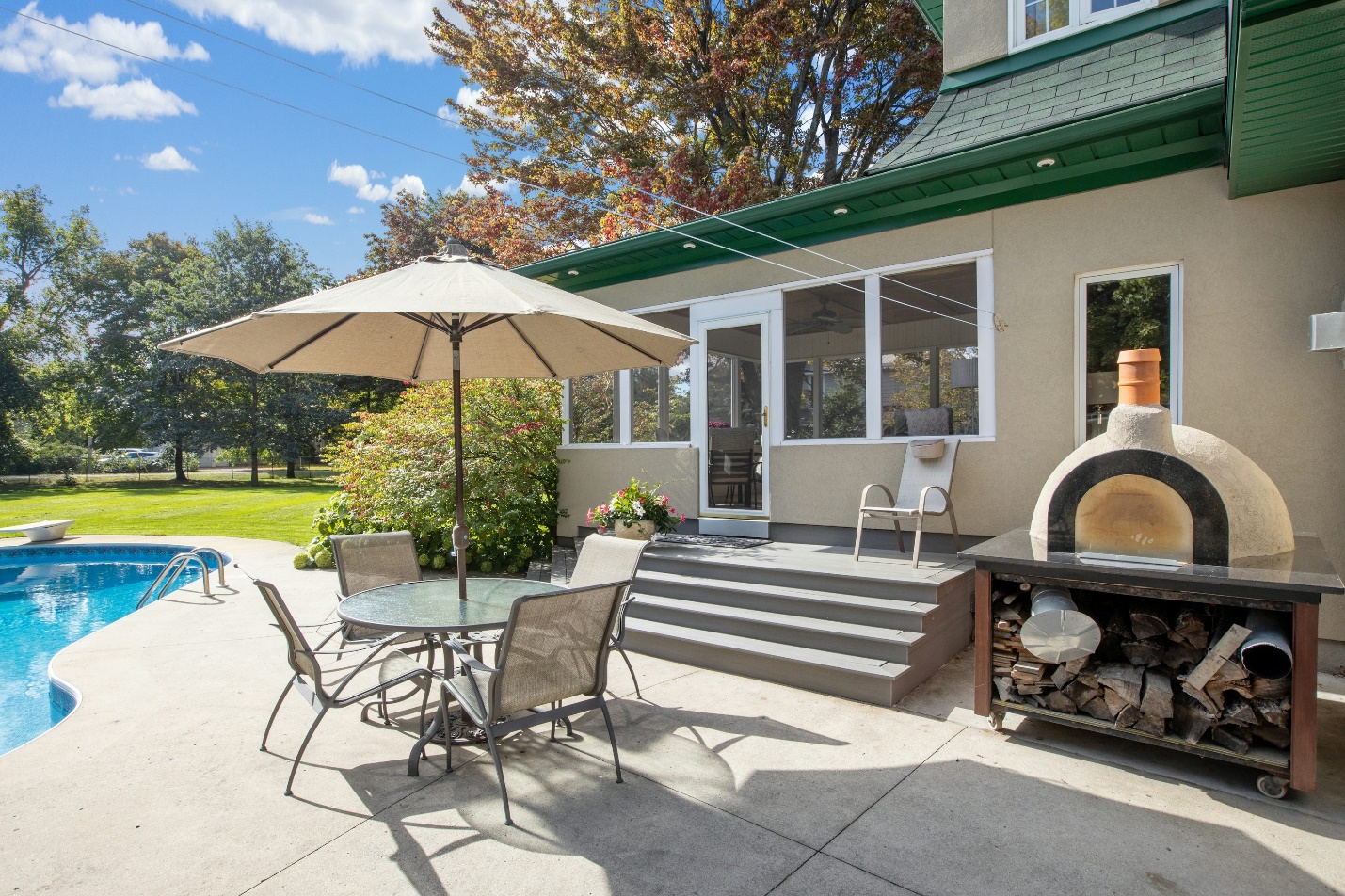
Outdoor living has become a central focus in modern home improvement. Homeowners are no longer treating their backyards as secondary spaces. Instead, they are designing them to function as true extensions of their homes. A well-planned backyard can support dining, relaxation, and entertainment while maintaining a cohesive visual connection to the interior. This shift has made thoughtful design and material selection more important than ever.
In places like Austin, Texas, where warm weather allows for year-round outdoor use, backyards often serve as everyday living areas. This increased use puts more pressure on materials to perform well under heat, foot traffic, and changing conditions. Choosing the right stone, finishes, and layout is not just about appearance. It is about creating a space that remains comfortable, durable, and visually consistent over time.
Choosing High-Quality Materials for Long-Lasting Backyard Design
Material selection is one of the most important decisions in any backyard upgrade. The right materials determine how well the space will hold up over time, weather, and wear. In hot climates, surfaces must resist heat absorption, prevent cracking, and maintain their appearance despite constant exposure to sunlight. Investing in high-quality options from the beginning reduces the likelihood of costly repairs or replacements later.
For homeowners planning premium outdoor features, sourcing materials carefully becomes essential. Not all limestone behaves the same way, leading to noticeable differences in appearance and durability over time. Variations in color, density, and finish can affect how well surfaces hold up under daily use. This becomes even more important in high-heat regions, where materials are exposed to constant sun and heavy foot traffic. If you’re looking for a trusted Lueders stone supplier in Austin TX, there are plenty to choose from.
Defining Functional Zones for a More Usable Backyard
A successful backyard design starts with clearly defined zones. Instead of treating the space as one open area, dividing it into sections for dining, lounging, and recreation improves both flow and usability. Each zone should serve a specific purpose while still feeling connected to the overall layout. This structure makes the space easier to navigate and more enjoyable to use daily.
Transitions between zones play an important role in maintaining cohesion. Subtle changes in materials, elevation, or layout can signal a shift in function without creating visual clutter. For example, a stone patio can lead into a softer landscaped area or a seating zone. Thoughtful zoning ensures that every part of the backyard feels intentional and supports how the space is actually used.
Selecting Durable Masonry for Patios and Walkways
Patios and walkways experience the most foot traffic, so durability is essential. Choosing the right masonry materials helps prevent issues such as cracking, shifting, and surface wear. Natural stone is often preferred because it offers strength, slip resistance, and long-term reliability. Proper installation, including a stable base and correct joint spacing, also plays a critical role in performance.
Beyond durability, masonry choices influence the backyard’s overall style. Different finishes, textures, and patterns can create either a modern or traditional look. Large-format stone can provide a clean, structured appearance, while irregular patterns add a more natural feel. Selecting the right combination allows homeowners to balance function with design, creating a space that is both practical and visually refined.
Integrating Natural Textures for a Cohesive Look
Blending different natural materials creates a more refined and balanced backyard design. Stone, wood, and greenery each bring a unique texture that adds depth without overwhelming the space. When used thoughtfully, these elements soften hard edges and make outdoor areas feel more inviting. A consistent palette helps tie everything together, especially when transitioning from indoor finishes to exterior surfaces.
Repetition is key to maintaining cohesion. Using similar tones or materials across features like patios, seating walls, and planters keeps the design unified. At the same time, subtle variation prevents the space from feeling flat. Mixing smooth stone with rougher textures or pairing greenery with structured surfaces creates visual interest while maintaining a polished look.
Designing with Climate-Appropriate and Heat-Resistant Materials
Climate plays a major role in how well a backyard performs over time. In warmer regions, materials must withstand intense sunlight without fading, cracking, or becoming uncomfortable to walk on. Lighter-colored stone is often a smart choice because it reflects heat rather than absorbing it.
Plant selection also matters. Drought-tolerant landscaping reduces water usage and simplifies maintenance. Incorporating permeable materials can improve drainage and prevent water buildup after heavy rain. These practical choices help create a backyard that not only looks good but also functions efficiently in local conditions.
Enhancing Comfort with Lighting, Shade, and Water Features
Comfort goes beyond seating and layout. Proper lighting extends the usability of a backyard into the evening while also improving safety. Layered lighting works best. Soft ambient lights create a relaxed atmosphere, while focused lighting highlights pathways and key features.
Shade is equally important, especially in sunny climates. Structures like pergolas or covered patios provide relief from direct sunlight, making the space more enjoyable during the day. Adding a water feature can further enhance comfort by introducing a cooling effect and a calming background sound.
Prioritizing Low-Maintenance Design for Long-Term Appeal
A well-designed backyard should not require constant upkeep. Choosing durable materials that resist wear and weather helps maintain the space with minimal effort. Sealed stone surfaces, quality finishes, and proper installation all contribute to reducing maintenance needs over time. This allows homeowners to focus on enjoying the space rather than managing it.
Smart planning also plays a role. Installing efficient irrigation systems and using weed barriers can prevent common issues before they start. Selecting plants that thrive in the local climate reduces the need for frequent care.
Creating a Backyard That Adds Value and Everyday Enjoyment
Upgrading a backyard involves more than adding features. It requires thoughtful planning, durable materials, and a clear understanding of how the space will be used. Defining functional zones, selecting high-quality masonry, and integrating natural textures all contribute to a cohesive design. Climate-appropriate choices and comfort-focused elements further improve usability.
A well-executed backyard enhances both property value and daily living. It becomes a reliable space for relaxation, gatherings, and routine use. By focusing on long-term performance and practical design, homeowners can create an outdoor environment that remains comfortable, stylish, and easy to maintain for years.