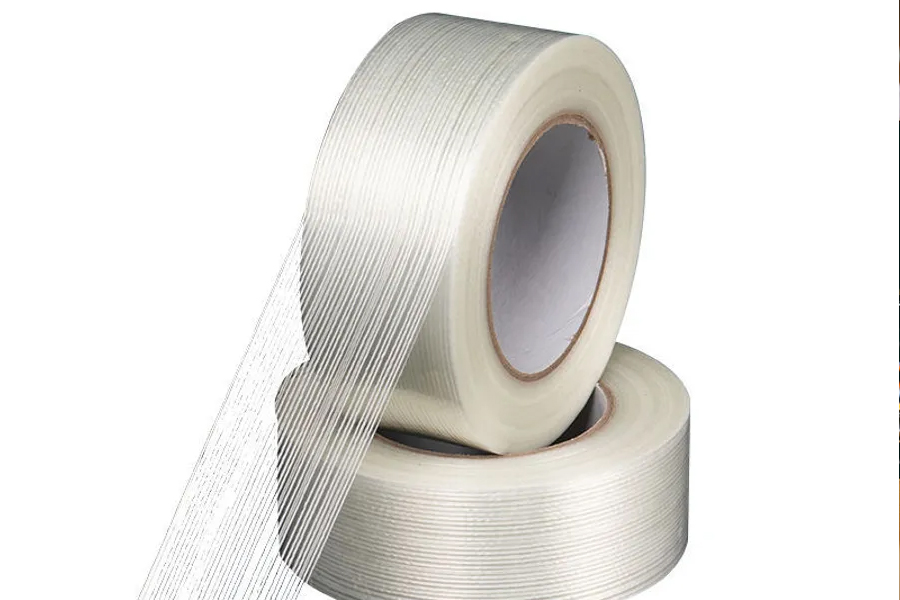
Strong Parcels Begin With Sound Sealing
Sending a parcel looks simple at a glance, yet the difference between a box that arrives intact and one that fails in transit often comes down to how it is sealed. Tape is your armor, your seatbelt, and your final safety net. When applied with intention, it transforms ordinary cardboard into a reliable container that resists bumps, drops, and pressure shifts. Whether you ship products from a small business or mail gifts to loved ones, a few focused methods make a measurable difference in how your package holds up along the way.
A sturdy seal protects the central seam, prevents flaps from loosening, and manages stresses on the walls and base. Corners and edges take the brunt of impact during handling, so they need extra attention. Heavy items call for structural reinforcement. Internal components should be stabilized so they do not collide with each other. Think of the whole process as building a compact fortress. Every strip of tape is a supporting beam that adds strength where the box needs it most.
Lock Flaps With the H Pattern
The H pattern is a simple, powerful way to secure the top of a box. Close the flaps firmly, then run a strip of tape across the main seam from end to end. After that, place two perpendicular strips along the edges where the flaps meet the side walls. The result forms a letter H across the lid. This pattern clamps the flaps and keeps them from creeping open as the box flexes in transit.
Proper tape matters. Use a packaging tape with a strong adhesive that bonds cleanly to cardboard. Press the tape down as you go so it lays flat without air pockets. A clean, continuous bond turns the H pattern into an effective lock that resists prying and accidental opening during normal handling. It also distributes forces across the lid, reducing stress concentration around the central seam.
Guard Corners and Edges Against Impact
Corners and edges are the points that often collide with conveyor rails, sorting chutes, and truck floors. That is where damage begins. Reinforce these weak spots by applying extra tape strips over the corners after you complete your main seal. Smooth the tape from the top panel down the side, wrapping slightly under the edge to create a protective cap. Do the same for the opposite corners. This makes each corner behave less like a sharp point and more like a rounded shield.
If the cardboard is thin, worn, or recycled from a previous shipment, tape susceptible edges again. The extra material makes a tear- and dent-resistant band. This tiny fortification can make the difference between a box that survives a drop and one that breaks instantly.
Double Layer Support for Heavy Loads
The box needs more than a seal to pack big, dense goods. Weight presses outward on side walls from bottom seam. After closing the box, wrap another belt of tape around its width or length. This band secures panels and distributes load between seams and walls.
You can apply one band around the center, then add another near the bottom to support the base seam. For compact yet heavy shipments such as books, hand tools, and electronics, double wrapping keeps the structure rigid so it does not crumple when lifted or set down. Every extra band acts like a supportive strap that maintains shape under stress.
Apply Tape With Tension for Firm, Clean Bonds
How you stretch the tape affects how it sticks. Pull the tape with steady resistance as you apply it, keeping the strip taut but not over-tight. This controlled tension helps the adhesive make full contact with the cardboard and prevents the tape from sagging or lifting at the edges. Smooth with your hand or a tape paddle to push out air bubbles and ensure the tape lays flat.
Avoid wrinkles and gaps. When tape buckles, it creates weak points that can peel back during transit. On glossy or laminated surfaces, press down with extra care so the adhesive engages the coating. The goal is a close fitting band that acts like a second skin. A cleaner bond means fewer chances for tearing and less risk of the seal letting go under pressure.
Stabilize Contents With Tape Inside the Box
Tape is not only for the outside. It is also a discreet way to secure items within the box so they do not slide around. If you are shipping several objects together, create simple anchors. Place small tape bridges over bubble wrap bundles to keep them from shifting. Strap elongated items to a piece of cardboard with two or three tape strips. Fix small packets to the interior wall so they stay put.
When jostled, this internal support minimizes package momentum. It reduces damage by preventing impacts with sufficient cushioning. Consider the parcel’s interior a peaceful harbor. Tape bracing operate as mooring lines, keeping everything in place during box waves.
Practical Notes on Tape Choice and Tools
Packaging tape comes in different adhesives and film types. Acrylic tape offers stable adhesion over time and resists temperature changes. Hot melt adhesives grip aggressively and are good for newer, stiffer cardboard. Solvent based tapes deliver robust bonds on slightly rough surfaces. Clear, tan, or reinforced filament tapes each have merits. What matters most is using fresh, high quality tape that bonds quickly and holds under stress.
A handheld dispenser speeds application and helps maintain tension. If you apply tape by hand, press firmly and smooth edges as you go. Keep surfaces clean of dust and oils for the best adhesion. Store your tape in a temperate, dry place so the adhesive stays lively. These small habits help every strip do its job.
Common Pitfalls That Weaken Seals
Loose, wrinkled tape invites failure at the edges. Short strips that do not fully cover seams leave gaps where the box can open. Overstretching can thin the adhesive layer and cause peeling. Understretching leads to slack strips that snag and lift. Rushing the job is the biggest culprit. Slow down just enough to apply each strip with care. Strong parcels are built one clean line at a time.
FAQ
What is the H pattern and why does it work so well?
The H pattern uses three strips to secure the top flaps. One runs along the central seam and two run across the edges, forming an H. This layout locks the flaps, covers weak points, and spreads force across the lid, which reduces the chance of accidental opening.
Should I reinforce corners on every package?
Corners take the most hits during transit, so reinforcing them is wise, especially for reused boxes, thin cardboard, or parcels with heavy contents. A small amount of tape on each corner adds disproportionate strength where it matters most.
How many extra bands should I add for heavy items?
For dense loads, add at least one band around the middle after sealing the lid. A second band near the base seam can help share the weight and stabilize the bottom panel. Choose the number of bands based on the box size and how heavy the contents feel.
How tight should I pull the tape when applying it?
Apply steady tension so the tape is taut and smooth, but do not stretch it so much that it deforms or thins out. The goal is firm contact without overstraining the adhesive layer, which can reduce holding power over time.
Can I use tape to keep items from moving inside the box?
Yes. Create simple anchors with tape strips that hold bundles to a cardboard backer or fix small packets to interior panels. Combine these anchors with cushioning so items stay put and absorb shocks without knocking into each other.
What kind of tape bonds best to cardboard?
Quality packaging tape with a strong adhesive is key. Acrylic adhesives offer reliable performance across temperatures, hot melt adhesives provide aggressive tack, and solvent based options grip well on slightly rough surfaces. Match the tape to your box material and storage conditions.
Do glossy boxes need special care when taping?
Glossy or coated surfaces can be more challenging because they are smoother. Press the tape firmly, smooth out the full length, and ensure edges lay flat. Extra attention during application creates a tight bond that resists peeling.
What are the most common mistakes to avoid?
Avoid short, misaligned strips that leave gaps, loose tape that wrinkles, and rushing through the process. Do not rely on a single strip for heavy loads. Keep contact clean and continuous, and reinforce corners and edges where impacts are most likely.