Water damage is one of the most common threats to homeowners, often resulting in costly repairs, loss of personal belongings, and long-term health issues due to mold and mildew. Taking preventive measures can significantly reduce these risks and ensure your home remains safe and structurally sound. Homeowners in Texas, for example, regularly contend with burst pipes and sudden leaks; reaching out to an emergency plumber in Austin can make all the difference in urgent situations.
Addressing water damage requires both ongoing maintenance and strategic upgrades throughout your property. By taking a proactive approach, you can create a robust defense against leaks, overflows, and other water-related hazards. The following strategies are crucial for anyone committed to safeguarding their living space.
Regular Inspection of Plumbing Systems
Regularly inspecting your plumbing is the first line of defense against water damage. Focus on high-risk areas such as basements, crawl spaces, and bathrooms. Signs like damp spots, unexplained puddles, or rust on pipes are warning indicators that should not be ignored. Early intervention can dramatically decrease the extent of repairs and protect valuables from water exposure.
Maintaining Appliances and Fixtures
Appliances like washing machines, water heaters, refrigerators, and dishwashers are frequent sources of unseen leaks. Regularly inspect supply hoses, seals, and inlets. Replace aging rubber hoses with braided stainless steel for greater durability. Inspect fixtures such as faucets, showers, and toilets for drips or deterioration, which can slowly cause serious structural damage if left unchecked.
Roof and Gutter Maintenance
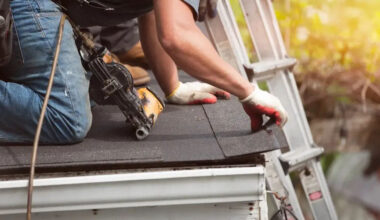
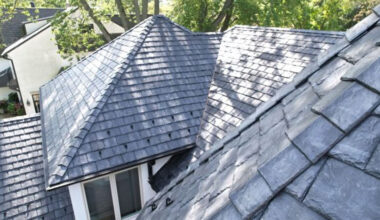
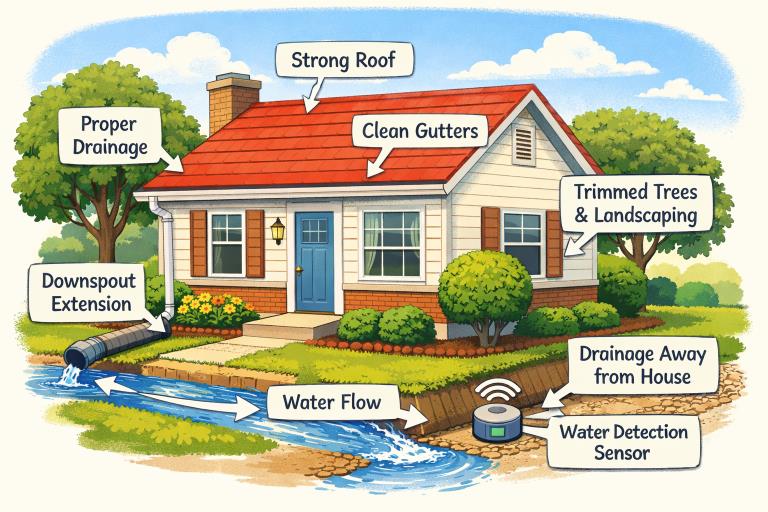
Your home’s roof and gutter system play an essential role in channeling water away from the property. Debris or blockages can cause water to pool, increasing the risk of leaks, rot, and foundation issues. Inspect and clean gutters and downspouts seasonally, and check for missing or loose shingles. Prompt repairs not only prevent water penetration but also extend the lifespan of your roof.
Landscaping and Drainage
Effective landscaping helps to protect your home’s foundation from water intrusion. Ensure the terrain slopes away from your house so rainwater does not settle along the exterior walls. French drains can be installed in trouble spots to further redirect water flow. Keep trees and large shrubs trimmed and their roots in check to reduce the risk of underground pipe damage. Landscaping can also enhance curb appeal while serving this vital protective function.
Installing Water Detection Devices
Modern water detection sensors provide a critical layer of protection by alerting you to leaks as soon as they occur. Place these devices in vulnerable areas, such as basements, kitchens, and near water heaters. Many advanced detectors can even automatically shut off the water supply if a significant leak is detected, offering peace of mind even when you are away.
Monitoring Water Pressure
Home plumbing systems are designed to operate within a specific range of water pressure, typically 40-60 psi. Excess pressure can stress joints and pipes, leading to leaks or catastrophic failure. Use a water pressure gauge to check your system, and install a pressure regulator if readings are consistently high. This small investment can prevent significant maintenance issues in the future.
Understanding Your Water Main
Every homeowner should know the location of their main shutoff valve. In the event of a major leak or burst pipe, quickly shutting off the water can prevent extensive interior flooding and damage. Regularly check that the valve is accessible and operational. Teach other household members how and when to use it as part of your home emergency preparedness plan.
Preparing for Absences
Leaving your home unattended increases the risk of undetected water incidents. Before extended absences, shut off the main water supply, drain pipes in cold-weather climates, and ask a trusted neighbor or friend to monitor your property. These strategies can minimize mishaps and ensure rapid response if something does go wrong in your absence.
Taking active steps to prevent water damage not only saves money but also preserves the safety and comfort of your home. These targeted strategies provide a comprehensive blueprint for defending your largest investment from the devastation that water can cause.
Additional Strategies and Important Considerations
In addition to the strategies already discussed, homeowners can take several steps to bolster their water damage prevention plan. For instance, insulation is key; insulate exposed pipes, especially in areas susceptible to freezing temperatures. A burst pipe from freezing is among the most destructive sources of water intrusion, but simple pipe foam or heating cables can significantly reduce the risk.
Additionally, regularly check the condition of caulking and seals around sinks, tubs, windows, and exterior doors. Over time, these materials can degrade or separate, creating entry points for unwanted moisture. Resealing these critical areas will help guard both visible and hidden structural elements. It’s also worth considering sump pumps in homes with basements or crawl spaces. Test your sump pump regularly and maintain a battery backup system to ensure functionality during power outages or heavy storms.
Final Thoughts
By employing a holistic approach to water prevention, homeowners gain peace of mind knowing their property and loved ones are protected. With regular inspections, ongoing education, and strategic investments in the right tools and materials, you create a strong, resilient home environment that can withstand many water-related challenges for years to come.