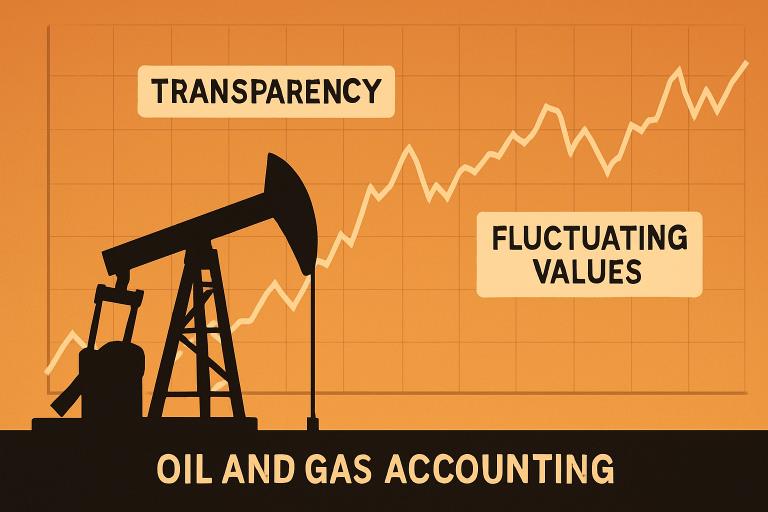
Fair value accounting is a cornerstone of transparent financial reporting in the oil and gas industry. The practice aims to capture the true economic value of a company’s assets and liabilities, which is especially important for an industry highly sensitive to market changes. The adoption of fair value accounting increases accuracy and fosters trust among investors, regulators, and stakeholders. Organizations like the https://www.copas.org/ support ongoing improvement and education in oil and gas accounting standards, helping companies implement best practices for fair value measurement.
This industry faces unique challenges in capturing accurate valuations because of constant shifts in commodity prices and large-scale capital spending requirements. Obtaining current, credible valuations of assets helps companies make strategic decisions about reserves, investments, and risk management. Transparent reporting enables regulators, lenders, and the investment community to better understand a company’s health and prospects.
Effective use of fair value accounting improves compliance and helps organizations secure financing or attract new investments. At the same time, it places a significant responsibility on companies to ensure their methodologies and disclosures withstand scrutiny and accurately reflect the underlying economics. This accountability fosters greater trust across the sector and capital markets at large.
Understanding Fair Value Accounting
Fair value accounting, also known as mark-to-market accounting, requires organizations to measure and report assets and liabilities at their current market value. This method provides a more realistic and transparent assessment of financial conditions compared to historical cost accounting. The Financial Accounting Standards Board (FASB) describes fair value as the price that would be received to sell an asset or paid to transfer a liability in an orderly transaction between market participants on the measurement date, aligning reported values with marketplace realities. This methodology is widely adopted in modern financial reporting and is supported by global standards such as International Financial Reporting Standards (IFRS).
Importance in the Oil and Gas Industry
The volatility of global oil and gas prices, coupled with the industry’s heavy capital investment, makes accurate asset and liability valuation especially critical. Investors, regulators, and company managers rely on these valuations to gauge business performance, ensure regulatory compliance, and manage risk. Accurate measurement not only aids financial decision-making but can also affect company valuations in public markets, access to borrowing, and even executive compensation. Reliable fair value reporting gives energy sector businesses a competitive edge as they navigate unpredictable commodity cycles.
Valuation Methodologies
Oil and gas companies employ several distinct approaches to estimate fair value for their diverse classes of assets:
- Market Approach:This technique benchmarks an asset’s value against recent transactions in comparable markets. It is most effective for assets with an active, observable market and that allow for quick, market-consistent valuation results.
- Income Approach:Future economic benefits are estimated and discounted to present value, commonly used for reserves and complex financial instruments. Assumptions in this methodology include future production rates, projected prices, expected operational costs, and discount rates.
- Cost Approach:The value is determined by calculating the cost to replace the asset, less depreciation or technological obsolescence. This method is typically used for physical assets, such as pipelines or drilling rigs, that may not have a ready market.
Challenges and Controversies
Although fair value accounting introduces several benefits, it is not without considerable complexity and risk:
- Market Volatility:Because fair value is highly sensitive to market price swings, financial statements can exhibit dramatic income volatility, which can impact strategic planning and stakeholder perceptions.
- Subjectivity in Valuation:In markets with limited trading, significant assumptions and expert judgment are required, leading to inconsistent valuations across the industry and opening the door to disputes or manipulation.
- Regulatory Scrutiny:Tight regulations and comprehensive audits are necessary given the high risk of errors or manipulation. Companies are expected to provide strong documentation for all assumptions and methods used.
Regulatory Framework
The foundation of fair value accounting in oil and gas rests on influential standards adopted across multiple jurisdictions:
- ASC 820:Issued by the FASB, ASC 820 sets forth principles for fair value measurements, mandates tiered disclosures, and defines how and when assets and liabilities must be valued at fair value.
- IFRS 13:As the international counterpart, it unifies fair value definitions, establishes measurement protocols, and standardizes disclosures worldwide. This improves comparability across global markets.
- IFRS 6:Specialized for the extractive industries, this standard covers the treatment of exploration and evaluation assets, allowing companies to design their own accounting policies so long as they are applied consistently and transparently.
Best Practices for Implementation
For robust fair value reporting, oil and gas companies should:
- Develop Strong Internal Controls:Rigorous controls over data quality, modeling assumptions, and reporting are essential to reduce risk and improve auditability.
- Invest in Ongoing Training:Regular upskilling ensures personnel stay up to date on new standards, analytical tools, and valuation methodologies, creating a resilient accounting function.
- Engage Independent Valuers:External experts provide unbiased and sophisticated insights, particularly for complex or infrequently traded assets.
Final Thoughts
Fair value accounting underpins the credibility of oil and gas industry financial statements in an environment marked by volatility and capital intensity. Proper execution ensures financial transparency, regulatory compliance, and stakeholder trust. As regulatory frameworks and economic conditions evolve, companies that continue to invest in robust valuation processes will be better positioned to navigate market changes and build long-term enterprise value.