The Moments That Shape a Buyer’s First Impression
Walk-throughs are full of quiet checkpoints. A pantry door glides open. A linen closet reveals crisp stacks and clean shelves. A laundry room shows clear surfaces and easy workflow. These are small moments, yet they anchor the rhythm of daily life. Buyers sense them as surely as they notice flooring and fixtures. They are not just scanning finishes. They are weighing livability, ease, and how smoothly the home supports routine.
When those hidden spaces feel calm and intentional, buyers connect with the property faster. Before they compare price, they read the story of order and care. That story matters, especially in markets where function and comfort carry as much weight as style.
Usable Space Over Raw Square Footage
Size alone misleads. A kitchen with a thoughtful pantry often feels more practical than a larger one with chaotic storage. The same truth applies to closets, mudrooms, and bathroom cabinets. Buyers imagine the week-to-week choreography of living: where staples will sit, how quickly a blender can be accessed, whether the entry holds backpacks and shoes without crowding.
Usable space carries a quiet power. It compresses friction. It makes smaller rooms feel bigger because every shelf has a purpose, every drawer has a job. In many homes, that sense of utility outweighs flashier upgrades. Livability is the real luxury.
The Emotional Pull of Order
Organization changes temperature. It cools anxiety and warms trust. When buyers open a cabinet and see symmetry, labels, and breathing room, they feel the home is cared for. They imagine easier mornings and calmer evenings. They sense maintenance has been steady even if the home is not new.
Order acts like a lighthouse. It signals safety. It suggests modern living without expensive renovations. Clear sight lines, clean bins, and gentle lighting put buyers at ease. They are not tallying every bin or shelf. They are absorbing a tone of stability.
Small Updates With Outsized Impact
Sellers rarely need big-budget projects to change first impressions. A handful of thoughtful adjustments can transform how a home reads during a tour.
- Simplify shelves. Remove a third of the items from cabinets, pantries, and linen closets to create visual breathing room.
- Create harmony. Use matching containers, drawer inserts, and baskets to unify the look and reduce visual noise.
- Label smartly. Clear, consistent labels turn a jumble into a system and invite buyers to imagine their own routine fitting right in.
- Light the interiors. Warm bulbs in pantries, under-cabinet lighting in kitchens, and bright task lights in laundry rooms make storage feel welcoming.
- Set symmetry. Align rows and create mirrored groupings. Symmetry lends a quiet rhythm that feels intentional.
These changes do more than tidy. They recast storage as a feature. The pantry looks spacious. The garage feels manageable. The bathroom cabinet reads as clean and efficient. The energy of the house shifts as the background clutter disappears.
How Organization Creates Perceived Newness
Thoughtful storage has a way of resetting a home’s age. Buyers equate order with care. A garage with labeled shelves hints at regular maintenance. A linen closet with fresh baskets suggests cleanliness. A pantry that shows everything at a glance feels current even in an older kitchen.
Perceived newness is powerful. It narrows the gap between expectations and reality. Well arranged spaces show the home has not been ignored. They inspire confidence, which often translates into stronger offers.
What Today’s Buyers Value in Storage
Lifestyle habits are reshaping priorities. More cooking at home. More flexible schedules. More gear for hobbies and family life. Buyers lean toward storage that makes these rhythms efficient.
- Walk-in pantries with zones for staples, appliances, and bulk items
- Primary closets with useful systems rather than empty volume
- Laundry rooms that combine sorting, storage, and workspace
- Mudrooms or entry storage that handle daily traffic without clutter
This focus shifts attention from shiny surfaces to practical excellence. Homes that pair good design with functional storage win mindshare quickly. They feel ready, not just staged.
Regional Spotlight: Why This Matters in the Southeast
Rapid growth across the Southeast has broadened buyer expectations. Relocating households often look for generous, well planned storage that supports active family life. Pantries that store weekly groceries, mudrooms that manage sports gear, and laundry rooms that streamline chores become decisive factors.
In fast-growing metros such as Atlanta, Charlotte, and Nashville, the blend of comfort and utility is not a luxury. It is a baseline. A pantry that reads as intentional, a closet that looks effortless, and a garage that makes sense elevate a listing above similar properties. Organized storage signals modern living and gives buyers confidence that routine will run smoothly.
The Hidden Spaces That Influence Offers
Buyers do open doors. They check the pantry, peek into linen closets, and scan bathroom storage. They look for cleanliness, airflow, and structure. They want to know if the home supports real life without constant reshuffling. When those spaces are tuned like a well rehearsed orchestra, the rest of the house sounds better too. The kitchen feels brighter. The primary suite feels calmer. The entire tour moves with ease.
Practical Steps Before a Showing
Preparation is simple and focused. Prioritize the high-touch zones where buyers are likely to look.
- Pantry: Group by category, use clear containers, and maintain labels that match.
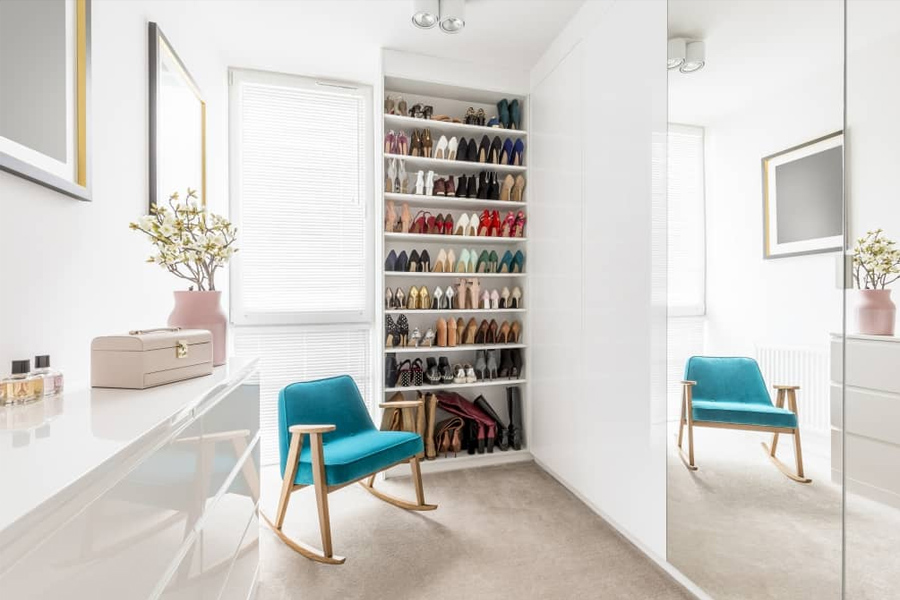
- Closets: Reduce volume, add consistent hangers, and sort by type and color.
- Bathroom storage: Edit down products, add trays, and keep high-use items accessible yet neat.
- Laundry room: Clear surfaces, dedicate bins for sorting, and store detergents in uniform containers.
- Entry and mudroom: Provide hooks, shoe storage, and baskets for quick drop-off areas.
These steps do not require custom built-ins. They require intention. Even modest changes shift perception in meaningful ways.
FAQ
Do buyers really open closets and cabinets during tours?
Yes. Most buyers look inside storage areas to gauge how the home will handle everyday life. They are not inspecting for invasions of privacy. They are testing function. Organized interiors reassure them that the home will work without constant compromise.
How much decluttering is enough for a pantry or closet?
Aim to remove about one third of the contents. Keep only what supports daily use and clear categories. Leave space between items so shelves read as roomy rather than maxed out. If it feels easier to breathe, you have gone far enough.
Should I invest in closet systems before listing?
Only if your current storage is failing. Many homes present beautifully with simple fixes such as matching hangers, labeled bins, and clear grouping. If a closet is genuinely awkward or lacking, a modest system can help, but start with editing and organization first.
Does lighting inside storage spaces make a difference?
Absolutely. Warm, consistent lighting transforms how buyers perceive cleanliness and space. A bright pantry looks larger. A lit linen closet feels fresher. Under-cabinet lighting in the kitchen softens shadows and makes surfaces appear cleaner.
Which storage areas draw the most attention during tours?
Pantries, primary closets, laundry rooms, bathroom cabinets, and entry storage get the most looks. Garages matter too, especially for buyers with hobbies or tools. If these spaces read as orderly and purposeful, the rest of the home benefits.
Can a small kitchen compete with larger homes if storage is organized?
Yes. A smaller kitchen can outperform larger ones when storage is efficient. Clear zones for cooking tools, well placed appliances, and a pantry that reveals everything at a glance make the kitchen feel agile. Buyers prioritize ease over sheer size when they can sense a system at work.
How should I handle bulky items that make spaces feel cramped?
Give bulky items defined homes. Use the garage or a labeled utility area for overflow rather than stuffing them into living spaces. If possible, pre-pack seldom used gear. Reducing visual mass in closets and cabinets instantly increases perceived space.
What role does symmetry play in organized storage?
Symmetry calms the eye. Balanced rows and mirrored groupings make shelves feel intentional and tidy. When containers match and labels align, buyers read order without consciously analyzing it. Symmetry is a simple way to create polish without expensive upgrades.