Key Takeaways
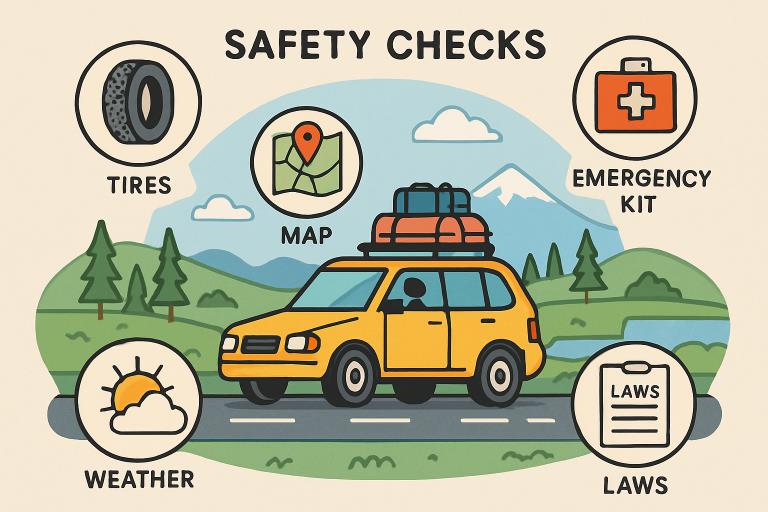
- Check your vehicle’s condition before you leave, including tires, brakes, and fluids.
- Research the traffic laws of all the states and regions you’ll be traveling through.
- Strategically plan your route, rest stops, and accommodations to make your travel smoother.
- Always pack a well-equipped emergency kit tailored for your route and season.
- Monitor weather conditions and stay flexible with your plans as needed.
Embarking on a road trip is one of the best ways to discover new places with the comfort and freedom of traveling at your own pace. However, before you hit the open road, taking important steps to prepare can significantly impact the safety and legality of your journey. Thorough preparation not only helps avoid travel mishaps but also shields you from legal trouble and increases your peace of mind. If you’re seeking guidance on travel safety or need legal help after an accident, a car accident lawyer Greenville, NC can be a valuable resource in ensuring your rights are protected.
Whether you’re planning a weekend getaway or a cross-country adventure, making sure your vehicle and travel documents are in order, understanding local traffic laws, and planning for potential emergencies should be top priorities. Prevention is always better than cure, especially on the move. Safe travel means not just protecting yourself, but also respecting other drivers and the communities you encounter along the way.
Vehicle Maintenance: Ensuring Roadworthiness
Regular vehicle inspection is a must before any extended drive. Start with the tires—ensure they have ample tread and are properly inflated. Under-inflated or worn tires increase the risk of blowouts. Check essential fluids: oil, coolant, brake fluid, and windshield washer fluid should all be topped up. Test your brakes for responsiveness and listen for unusual noises. Make sure your battery is in good condition and that all lights (headlights, taillights, signals) are functioning properly.
Legal Compliance: Understanding Traffic Laws
Traffic laws vary from state to state, and unfamiliarity with them can result in costly fines or more serious legal consequences. Before your road trip, research requirements such as seat belt laws, speed limits, and mobile phone use regulations in each area you’ll be visiting. Many states have hands-free device laws, and some enforce unique rules, such as restrictions on radar detectors or on child seat use. The NHTSA’s summer safety road tips recommend keeping a printed copy or digital note of essential laws for reference during your trip. This ensures compliance and helps you avoid unnecessary interruptions.
Route Planning: Mapping Your Journey
Plan your route ahead of time for greater efficiency and less stress. Use reliable navigation apps or GPS devices, but always have backup paper maps in case of technology failures or remote areas without signal. Map key stops, including gas stations, rest areas, and overnight accommodations. Identifying these ahead of time helps prevent running low on fuel or energy and allows you to take breaks when needed. Strategic planning is especially useful for those traveling with children or pets, as their needs will require more frequent stops.
Emergency Preparedness: Packing Essentials
Equipping yourself with a tailored emergency kit can make all the difference if your vehicle breaks down or you encounter unexpected weather conditions. Recommended items include a first-aid kit, a flashlight with extra batteries, jumper cables, non-perishable snacks, bottled water, basic tools, and a spare tire. Consider adding blankets, roadside flares, and a portable phone charger for added safety. Being thoroughly prepared allows you to handle minor emergencies comfortably and wait for help if necessary.
Weather Awareness: Monitoring Conditions
The weather can change quickly, dramatically affecting driving conditions. Always check weather forecasts for your entire route before departure and as you progress. Be flexible with your travel plans and be willing to delay or reroute if hazardous conditions arise. Packing for a range of weather conditions is also beneficial—even on summer trips, unexpected storms or chilly nights can disrupt travel in certain regions.
Driver Wellness: Staying Alert and Rested
Fatigue is one of the leading causes of road accidents. Prioritize your well-being by getting plenty of sleep before travel, stopping at least every two hours to stretch, and sharing driving responsibilities when possible. Avoid driving late at night or during your body’s natural low-energy periods. If you begin to feel drowsy, do not press on—pull over safely and rest.
Insurance Coverage: Verifying Your Policy
Before leaving, double-check your auto insurance policy for active coverage across all areas you’ll be driving through. Ensure your paperwork is up to date and easily accessible in your vehicle. It is helpful to familiarize yourself with the claims process specific to out-of-state incidents, just in case you need it.
Technology Use: Utilizing Tools Responsibly
Modern technology is an essential companion when used wisely. Set up your GPS and playlists before you get on the road, and keep your phone mounted and used hands-free. Send navigation or music changes to a passenger if possible, or pull over in a safe area to make adjustments. Responsible technology use decreases distractions and enhances focus on driving.
Conclusion
By thoughtfully preparing before your journey, you ensure a road trip filled with positive memories rather than avoidable trouble. Take the time to prepare your vehicle, understand regional laws, and prioritize safety at every stage. This way, you can enjoy your adventure with confidence and peace of mind.