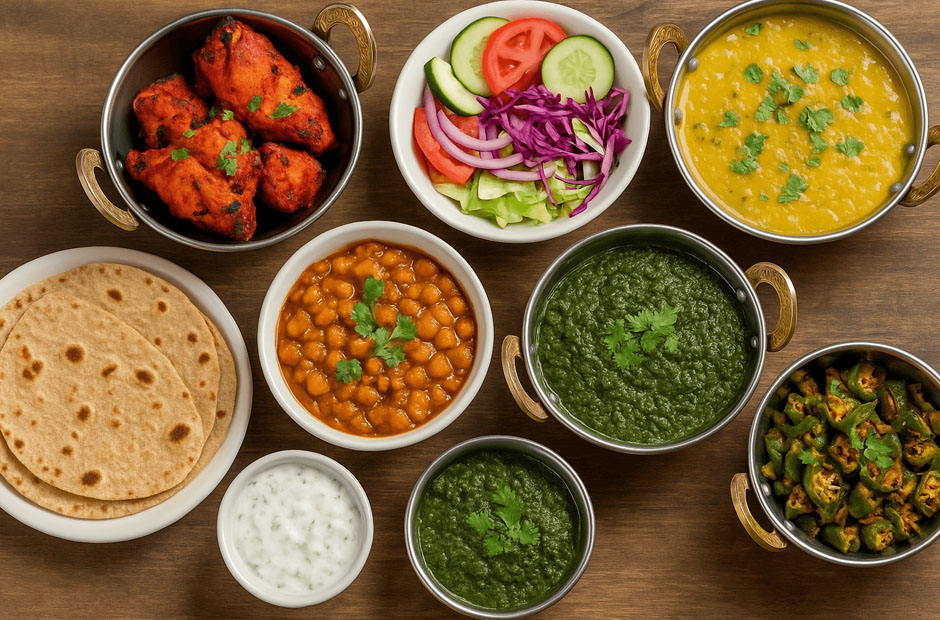
A gluten-free diet can feel easier when meals require little effort yet still deliver satisfying taste. Many Indian dishes usually rely on rice, lentils, vegetables, and spices that bring comfort and nourishment. Ready-to-eat options make these meals even more practical, especially when time feels limited and cooking from scratch is not possible. With simple heating and minimal preparation, these meals support a balanced routine without interrupting a busy day.
People searching for convenient choices increasingly turn toward ready-to-eat gluten free indian food that fits daily schedules and dietary needs. These prepared meals maintain authentic flavors while reducing the time spent in the kitchen. They also work well for travel, work lunches, or late evenings when energy runs low. In this article, we’ll explore popular ready-to-eat dishes, their benefits, and why they make gluten-free living more convenient.
A Perfect Fit for Gluten-Free Lifestyles
Ready-to-eat Indian meals align naturally with gluten-free eating because many traditional recipes rely on rice, lentils, vegetables, and spices instead of wheat-based ingredients. Popular dishes such as chickpea curry, paneer-based meals, and vegetable curries provide satisfying variety without extra effort.
These foods also deliver balanced nutrition through protein-rich legumes, fiber-filled vegetables, and flavorful spices. Prepared meals reduce the need for ingredient checks, long cooking sessions, or complicated preparation steps. A quick heat-and-serve format allows individuals to enjoy traditional flavors without spending time in the kitchen.
Popular Ready-to-Eat Gluten-Free Indian Dishes
Several traditional meals translate well into ready-to-eat formats. These dishes provide variety, comfort, and ease:
- Channa Masala with Rice
- Chickpeas cooked in rich tomato-based gravy provide protein and a satisfying texture. This dish creates a hearty and filling option for lunch or dinner.
- Vegetable Korma with Rice
- Mixed vegetables prepared in a creamy, spiced sauce offer balanced flavor and comforting taste. Paired with rice, this meal delivers satisfying texture and warmth.
- Butter Paneer with Basmati Rice
- Paneer cooked in smooth tomato-based gravy provides richness and mild spice. This dish works well for those who prefer gentle flavors.
- Chicken Curry with Lemon Rice
- Tender chicken cooked in aromatic spices offers bold flavor. The lemon rice balances the spices and completes the meal.
These choices allow individuals to rotate meals while maintaining convenience and variety.
Convenience Without Compromising Flavor
Ready-to-eat Indian meals maintain authentic taste through carefully prepared recipes and traditional spice blends. These dishes preserve regional flavors while providing quick access to comforting food. The balance of spices, lentils, and vegetables ensures that each meal feels satisfying.
Many people choose gluten free indian food in ready-to-eat formats because it supports both taste and efficiency. Instead of spending time measuring spices and cooking multiple components, individuals can enjoy a warm meal within minutes. This ease encourages consistency and helps maintain dietary preferences without disrupting daily routines.
Storage, Shelf Life, and Serving Ease
Ready-to-eat Indian meals usually come in sealed packaging that helps preserve freshness. This packaging supports longer shelf life, which allows individuals to keep multiple options available at home. When hunger strikes, a quick heat delivers a warm and comforting dish.
Most meals require heating in a microwave or warm water, followed by easy plating. This straightforward process removes the complexity of meal preparation while maintaining quality and taste. As a result, individuals can enjoy traditional meals with minimal effort and dependable convenience.
Ready-to-eat Indian meals create a practical path for maintaining a gluten-free lifestyle without sacrificing flavor or comfort. With a wide variety of dishes, simple preparation, and reliable taste, these meals support busy schedules and dietary preferences. They provide warmth, satisfaction, and convenience, making gluten-free eating easier and more enjoyable.