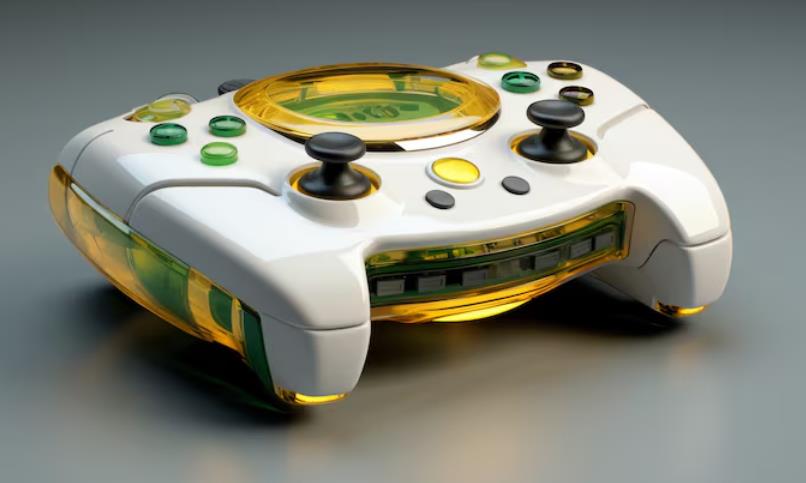
The Growing Importance of Game Controllers in Modern Gaming
Game controllers have become one of the most important parts of the gaming experience. They are no longer just tools used to move a character or press buttons. Today, a controller plays a major role in how players connect with a game, how comfortable they feel during long sessions, and how deeply they can immerse themselves in virtual worlds. As games have grown more detailed and interactive, controllers have also changed to meet new demands. From basic designs to advanced devices like the Razer game controller, the evolution of controllers reflects how far the gaming industry has come.
In the early days, gaming was simple and direct. Players only needed a few buttons or a stick to control what was happening on the screen. Over time, games introduced more actions, faster pacing, and richer environments. This shift pushed hardware makers to rethink controller design. What started as a basic input device slowly became a refined piece of technology built around comfort, accuracy, and responsiveness.
Early Controller Designs and Their Simple Purpose
The first game controllers were built with one main goal in mind: allow players to interact with a game in the simplest way possible. Early consoles came with paddle-style controllers that could move objects left or right. These devices were limited, but they matched the simple nature of the games available at the time. As games slowly became more complex, the need for better control became clear.
Joysticks soon followed and quickly became popular. They allowed players to move in more directions and gave a greater sense of control. This was a major step forward because it made gameplay feel more natural. Instead of pressing buttons repeatedly, players could guide movement smoothly. However, joysticks still had limits, especially as games began to demand more precise input.
The introduction of the directional pad changed everything. This design allowed players to control movement with better accuracy while keeping the controller compact and easy to use. It also made controllers more comfortable for longer play sessions. The directional pad became a standard feature and is still used in many modern controllers today, even as other technologies have been added.
The Shift Toward More Advanced Control Systems
As gaming entered a new phase with better graphics and deeper gameplay, controllers had to evolve again. The move from two-dimensional to three-dimensional games created new challenges. Players needed to control camera angles, movement speed, and complex actions all at the same time. This led to the rise of analogue sticks.
Analogue sticks allowed for smoother and more flexible movement. Instead of moving in fixed directions, players could now adjust speed and direction with more detail. This change made games feel more realistic and gave players better control in open environments. Controllers with dual analogue sticks soon became the norm, allowing one stick for movement and the other for camera control.
At the same time, triggers and shoulder buttons became more important. These features allowed developers to map more actions without overwhelming players. Racing games, shooting games, and adventure titles all benefited from this added input range. Controllers were no longer simple tools but carefully designed devices meant to handle complex gameplay.
Wireless Technology and Player Freedom
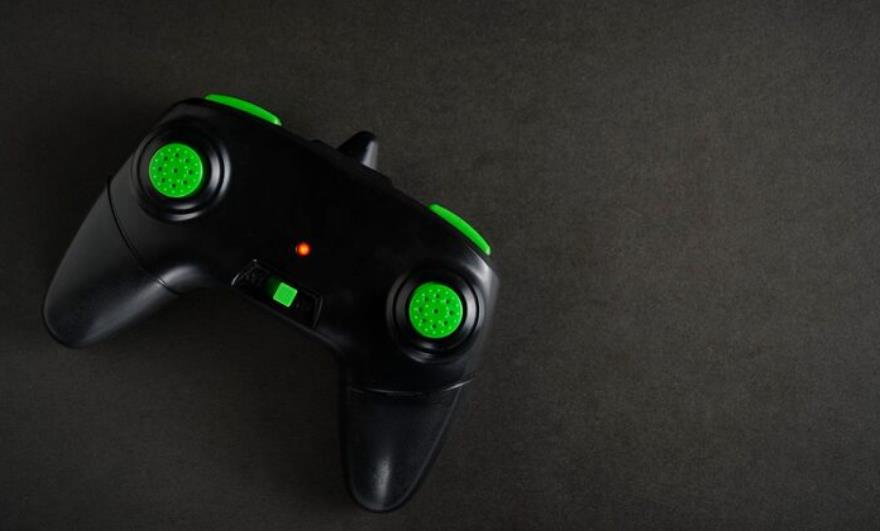
One of the biggest changes in controller design came with the move to wireless technology. Cables once limited where players could sit and how they moved during gameplay. Wireless controllers removed these restrictions, offering more comfort and freedom. This change may seem small, but it had a major impact on how people played games at home.
Wireless connections became faster and more stable over time. Early concerns about input delay slowly disappeared as technology improved. Players could now enjoy competitive games without worrying about lag caused by wireless signals. This made wireless controllers suitable for both casual and serious gamers.
Another benefit of wireless controllers was their ability to work across different platforms. Many modern controllers can connect to consoles, computers, and even mobile devices. This flexibility has become more important as gaming spreads across multiple systems. Players no longer need separate controllers for every device, making gaming more convenient and accessible.
Mobile Gaming and the Return of Physical Controls
The rise of mobile gaming introduced new challenges for control design. Touchscreens made games easy to access, but they often lacked the precision and feedback that physical buttons provide. Many players missed the feeling of traditional controllers, especially for action-heavy games.
To solve this, companies began creating controllers designed specifically for mobile devices. These controllers attach to phones or connect wirelessly, offering physical buttons and sticks similar to console controllers. This approach gives players better control while keeping the convenience of mobile gaming. It also allows developers to design more complex mobile games without relying only on touchscreen input.
This shift shows how important controllers remain, even as gaming platforms change. No matter how powerful or portable a device becomes, players still value precise and comfortable control.
Personal Comfort and Custom Design
Modern game controllers are built with comfort in mind. Long gaming sessions can be tiring, so design now focuses heavily on hand shape, button placement, and overall balance. A good controller feels natural in the hands and reduces strain during extended play.
Customisation has also become a key feature. Many players want controllers that match their personal style or gaming needs. Some prefer different button layouts, while others want adjustable sensitivity or custom colours. High-end controllers often allow players to change parts or settings to suit their preferences.
This focus on personalisation helps players feel more connected to their equipment. A controller that feels right can improve performance and enjoyment at the same time. It turns the controller into something personal rather than just another accessory.
Making Gaming More Accessible for Everyone
Accessibility has become an important topic in the gaming world, and controllers play a big role in this area. Not all players have the same physical abilities, and traditional controller designs can be difficult for some people to use. In response, companies have started developing controllers that can be adapted to different needs.
These adaptive controllers allow players to connect various input devices and customise layouts in ways that work best for them. This approach opens gaming to a wider audience and ensures that more people can enjoy interactive entertainment without unnecessary barriers.
By focusing on accessibility, the industry shows that gaming is meant to be inclusive. Controllers are no longer designed for only one type of player. Instead, they are becoming tools that can be shaped to fit many different users.
Haptic Feedback and a Deeper Sense of Immersion
Recent controller designs focus heavily on how games feel, not just how they look or sound. Haptic feedback has become more advanced, allowing controllers to deliver subtle vibrations that match what is happening on screen. This creates a stronger connection between player and game.
Modern controllers can simulate different textures, impacts, and movements through vibration patterns. Whether it is the feeling of driving on a rough road or the tension of drawing a bow, these details make games feel more real. Adaptive triggers add another layer by changing resistance based on in-game actions, making simple button presses feel more meaningful.
These features do not just add excitement. They also help players understand gameplay through touch, making interactions clearer and more engaging.
What Lies Ahead for Game Controllers
The future of game controllers is closely tied to how games themselves continue to evolve. Virtual reality and augmented reality are already changing how players interact with digital worlds. These technologies require new types of controllers that can track movement, gestures, and even physical presence.
There is also growing interest in using biometric feedback in gaming. Future controllers may be able to respond to a player’s heart rate or stress level, adjusting gameplay in real time. While these ideas are still developing, they show how controllers may become even more connected to the player’s body and emotions.
Despite all these changes, the core purpose of a controller remains the same. It exists to bridge the gap between the player and the game. As long as games continue to grow and change, controllers will evolve alongside them, shaping how players experience digital worlds.
The Lasting Role of Controllers in Gaming Culture
Game controllers have come a long way from simple paddles and joysticks. They now represent comfort, precision, and personal expression. Whether it is a basic controller or an advanced option like a Razer game controller, each design reflects the needs of its time.
As gaming continues to expand across platforms and audiences, controllers will remain at the heart of the experience. They are more than just tools. They are the connection that turns ideas on a screen into actions that players can feel and control. Through constant improvement and thoughtful design, game controllers will continue to shape the way people play for years to come.