
Choosing a sofa set is a rather confusing experience since it can affect comfort and room arrangement. You might see a design that you really like, but still wonder whether it would fit your space, match your decor, or fit your day-to-day routine.
Simultaneously, a miscalculation related to the measurement or disregard of seating requirements can cost a lot. A sofa is a long-term purchase; therefore, each detail counts, including size and support.
When you choose a sofa with accurate measurements, clear seating needs, and a structured plan, the process becomes straightforward and confident instead of confusing or stressful.
This article describes the process of selecting the appropriate sofa set for your room and presents clear step-by-step instructions.
1. Space Measurement and Layout Planning
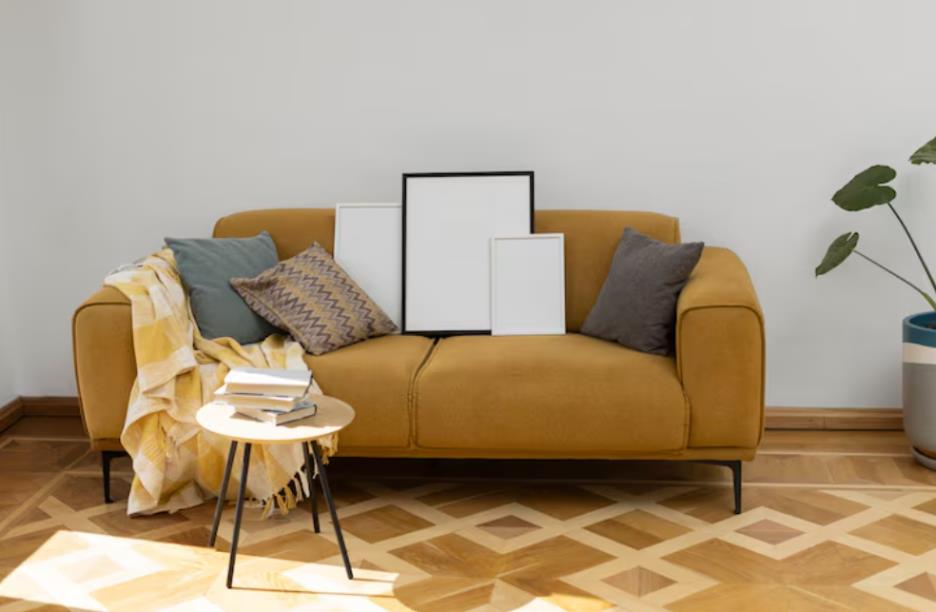
First of all, pay attention to the correct measurements of the room before experimenting with styles or materials. Note the length, width, and height, and make a note of doors, windows, and walk paths.
This eliminates the possibility of getting a sofa that prevents movement or takes up most of the room. When buying a curved sofa set, you should look at the entire size of the furnishings and plan its positioning.
Curved shapes provide smooth flow, but you need to ensure there is enough space around them for movement and placement. You can use a tape on the floor in order to mark the dimensions to get an idea of spacing. A good layout plan helps in making sure that your sofa fits well and maintains visual balance.
2. Seating Needs and Daily Usage
Your sofa must match the way your living room functions on a daily basis. Start by determining the number of people who visit the space on a regular basis and the frequency at which you have visitors.
This enables you to decide between compact sofas, larger configurations, or conversation-friendly layouts. Do not select oversized seating just to suit some occasional gatherings.
Rather, match seating capacity according to daily routines. If your primary goal is relaxation, choose a sofa that is both comfortable and appropriately sized for your space. In the case of frequent entertainment, make sure that there is ample room to interact easily.
Matching the size of your sofa with that of your real use makes your room practical and inviting.
3. Upholstery Material and Durability Factors

Maintenance, durability, and comfort directly depend on the choice of material. As such, consider the needs of your household when choosing upholstery.
Houses with kids or pets can enjoy the advantage of stain-resistant and easily cleanable materials. Leather is durable and structured in appearance, making it especially suitable for modern interiors.
Fabric choices offer a variation of texture and comfort, but might need additional maintenance. Climate also plays an important role as breathable materials are much more suitable in warmer conditions, whereas thick fabrics are much warmer in cooler conditions.
The selection of the upholstery according to the lifestyle, as opposed to its looks, guarantees long-term satisfaction and practicality.
4. Cushion Support and Seating Comfort
Your choice should be centered on comfort since you will be using your sofa every day. Begin by testing the height and depth of the seat to make sure that you sit in a natural posture.
Your feet must be even with the floor, and your back must not strain. Further, carefully test cushion firmness.
Firmer cushions are more structurally dependent and can be used in upright seating, whereas the softer cushions provide a relaxed lounging experience. Other than cushions, the test frame construction and internal support systems.
Stable suspension systems and hardwood frames are important in terms of longevity. Choosing comfort and structural quality is a must so that your sofa remains supportive and functional for years.
5. Style Alignment and Visual Balance

Your sofa set must blend in with your current interior as opposed to disrupting it. Start by looking at wall colors, flooring, and other furniture around.
This assists you in deciding whether your sofa should blend seamlessly with the room or stand out as a focal point. Neutral colors provide flexibility and make future décor changes easier, whereas striking colors or curvy lines can add character to bland spaces.
Nonetheless, there must be a balance. A subtle sofa helps to create harmony in a room when other objects in the room are already visually strong.
You can consider scale, shape, and color simultaneously as a unit to establish a harmonious environment that is deliberate and well-planned.
6. Budget Planning and Long-Term Value
Setting a clear budget helps you narrow options and make practical decisions without hesitation. However, focus on overall value rather than just the initial price.
Evaluate frame strength, upholstery durability, and construction quality to understand what you are paying for. A well-built sofa may cost more upfront, but it often lasts longer and reduces replacement expenses.
Also, consider warranty coverage and maintenance requirements before finalizing your choice. If the sofa will be used daily, prioritize durability over decorative features.
By balancing cost with quality and long-term usability, you ensure that your investment remains functional, comfortable, and worthwhile for years.
Conclusion
Choosing the right sofa set for your space requires careful planning and thoughtful evaluation. By measuring your room accurately, assessing seating needs, selecting suitable materials, testing comfort, aligning style, and planning your budget wisely, you create a clear path toward the right decision.
Each factor supports the next, ensuring that appearance and practicality work together. When you approach this process step by step, your final choice enhances both comfort and layout efficiency.
With structured planning and attention to detail, you can confidently select a sofa set that fits your space and supports your lifestyle for years to come.