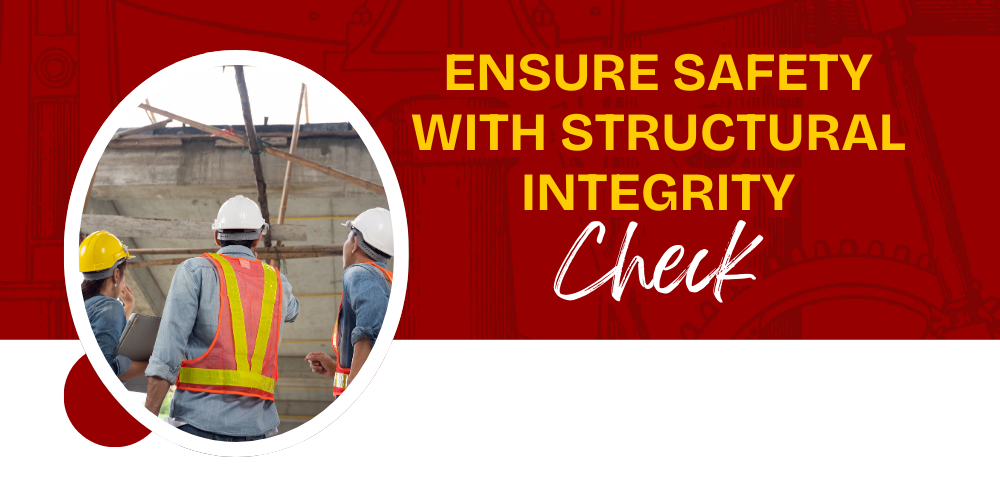
Keeping your structure safe starts with understanding its true condition. When you know what’s happening inside the building—beyond what you can see on the surface—you make better decisions that protect both the property and the people in it. A structural integrity check helps you spot concerns early, understand how daily use affects different parts of the structure, and take action before minor issues grow into serious problems. This awareness enhances the building’s overall reliability, providing you with the confidence that your space remains safe and stable over time.
Importance of a Structural Integrity Check
Structural integrity checks confirm whether a building is safe for regular use and capable of handling environmental pressure. These evaluations are essential for maintaining the strength and stability of your property.
Below are the primary reasons why they matter:
- Confirms safety for everyday use: Inspections ensure your building can handle routine stress from daily activities without compromising safety.
- Prepares for external challenges: They assess how your building withstands environmental stress, such as storms, heavy rains, or extreme temperatures.
- Reduces long-term risks: Identifying weaknesses early lowers the risk of costly structural failures in the future.
- Protects occupants: A strong structure minimizes safety hazards and keeps everyone inside safe.
- Improves property longevity: Regular checks extend the lifespan of the building by preventing damage before it escalates.
Damage Prevention Measures
Identifying minor problems early is a crucial part of building maintenance. Structural integrity checks reveal minor issues that, if left unaddressed, could lead to more significant failures and costly repairs.
The following points show why early action matters:
- Detects early signs of weakness: Inspections pinpoint small cracks, leaks, or wear before they worsen and spread to other areas.
- Prevents costly repairs: Fixing a minor issue requires significantly less time and money than addressing major structural failures.
- Stops problems from escalating: Evaluations help prevent minor damages from affecting larger areas.
- Preserves building strength: Regular inspections strengthen the overall condition of the property by addressing potential risks early.
- Boosts maintenance efficiency: Proactive damage prevention prevents overwhelming repair needs in the long term.
Ensuring Foundation Stability Check Accuracy
The foundation is the backbone of any structure, meaning its stability directly impacts the building’s reliability. A foundation stability check enables experts to evaluate the support strength and identify any underlying issues.
Here’s why accuracy in foundation checks matters:
- Evaluates ground support strength: Inspections determine whether the soil supporting your building is strong enough to handle the load.
- Reveals signs of shifting: Checks identify foundation movement or settling that could destabilize the entire structure.
- Spotlights early cracks: Cracks in the foundation often serve as warning signs for potential structural issues.
- Guides for repair and reinforcement: Accurate assessments help you determine the best course of action for repairs or reinforcements.
- Promotes long-term safety: A thorough foundation inspection ensures your property remains reliable and stable for years to come.
Key Elements of a Reliable Structural Integrity Check
During a structural integrity check, professionals focus on various critical components that determine the overall safety and reliability of a building. Each element plays a major role in supporting the entire structure. These are the key elements:
- Load-bearing walls: Inspectors assess whether walls that support the building can withstand stress or pressure without weakening.
- Roof and ceiling stability: Evaluations identify structural wear, sagging, or leak-prone areas that compromise safety and operational integrity.
- Foundation condition: Detailed inspections uncover cracks, uneven surfaces, and signs of soil-related concerns.
- Drainage system functionality: Professionals evaluate water drainage to prevent moisture from weakening the structural components of buildings.
- Material durability: Inspectors review the condition of concrete, steel, wood, and other materials to ensure longevity.
Structural Inspections and Safety Planning
Inspections are not just about identifying problems—they serve as a guide to better safety planning for a building’s future. Structural integrity checks identify areas that require attention, helping to structure your maintenance plans and enabling you to manage property care more effectively. Here’s how they support safety planning:
- Provides detailed assessments: Inspections offer comprehensive information about the building’s condition and risks.
- Assists in maintenance prioritization: Evaluations highlight areas that require immediate attention versus those that need routine care.
- Supports long-term repairs: Helps create a clear timeline for addressing major or recurring issues.
- Reduces safety hazards: Preventive planning ensures occupant safety by tackling weak areas early.
- Improves property value: By maintaining a solid structural integrity, property value increases significantly.
Protect What Supports You
Regular inspections serve as a safety net for your property by uncovering hidden weaknesses. They ensure buildings remain strong enough to withstand daily use and environmental stress. By identifying risks early, you can focus on preventing damage and addressing minor concerns before they escalate into costly issues.
Furthermore, foundation stability checks and structural integrity checks highlight the condition of critical elements, providing insight into the overall structural integrity of the foundation. Combined, they provide insights into long-term durability and ensure that occupants remain safe and secure. Prioritize your property’s security and longevity by scheduling a professional inspection today!