You tend to grab an extension cord without even thinking of it, particularly when you feel like a power outlet is right around the corner, but it seems unreachable.
Nevertheless, such a hasty choice may result in overheated wire, broken equipment, or a sudden accident.
With time, small mistakes may lead to a reduction in the lifespan of your cords in case of repeated misuse, as well as pose risks that will not be noticed until something goes wrong. Simultaneously, it is possible to select the appropriate cord and operate it properly to make the tasks safer and more effective.
Having a better idea of the most common errors and how to avoid them in practice, you will be able to avoid unnecessary problems and protect your environment, whether at home or at work.
This article describes the most frequent mistakes with extension cords and how to prevent them successfully.
1. Using an Incompatible Extension Cord for the Task
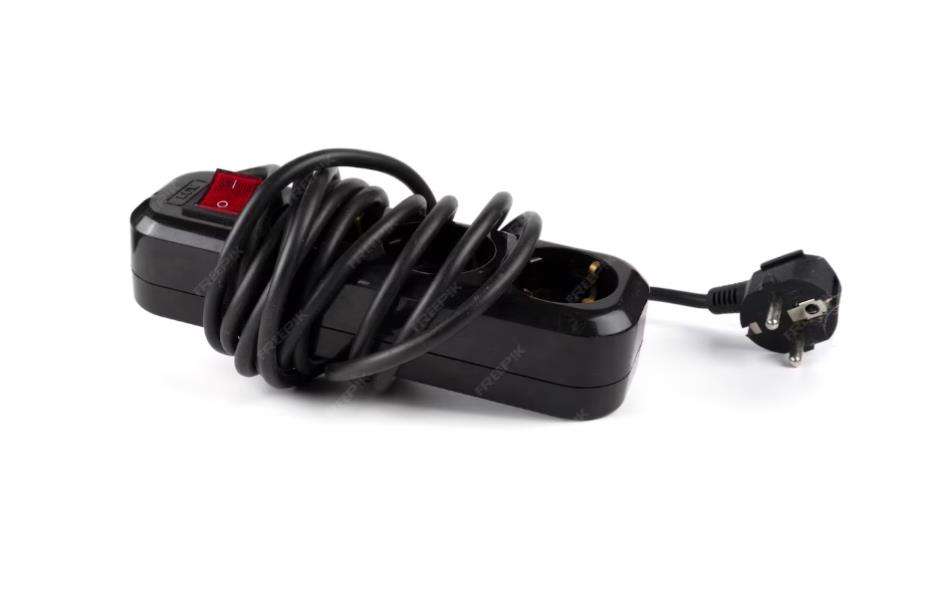
The first mistake that one makes most frequently and may be the most dangerous is choosing an extension cord without thinking about your tools or appliances and their power needs.
Extension cords are not all created the same way; some are intended to be used in the light and indoors, and others are designed to sustain heavier loads without any injuries. For example, a lamp in the house requires much less current than a power saw or a space heater.
There are extension cords of different lengths and wire gauges, and the length and wire gauge must match the device they are used with; under-rated extension cords cause more heat, damage the insulation, and can cause a fire.
How to Avoid It
Begin by examining the gauge and rating that is on the cord. A smaller gauge (such as 12 or 14 AWG) normally implies that the cord can safely support higher loads.
Select the rating of the cord to match the power requirements of the piece of equipment, and do not compromise on the cord used. Use a heavy-duty cord when doing tasks that require high power and never exceed the manufacturer’s recommendations.
2. Disregard of Cord Ratings and Capacity
Numerous individuals do not pay attention to the voltage and amp rating before they plug in. All extension cords have a maximum safe wattage or amperage, depending on the internal wiring and insulation.
Anything beyond that capacity will lead to the cord heating up, at times without any perceivable effects, which makes the situation risky.
How to Avoid It
Before connecting, calculate the wattage you intend to draw and ensure it is within the cord’s capacity. In case of uncertainty, check the manual of the tool or the label. Select a cord that has a higher capacity than the minimum requirement and not a cord that is barely adequate.
3. Exceeding the Extension Cord Capacity
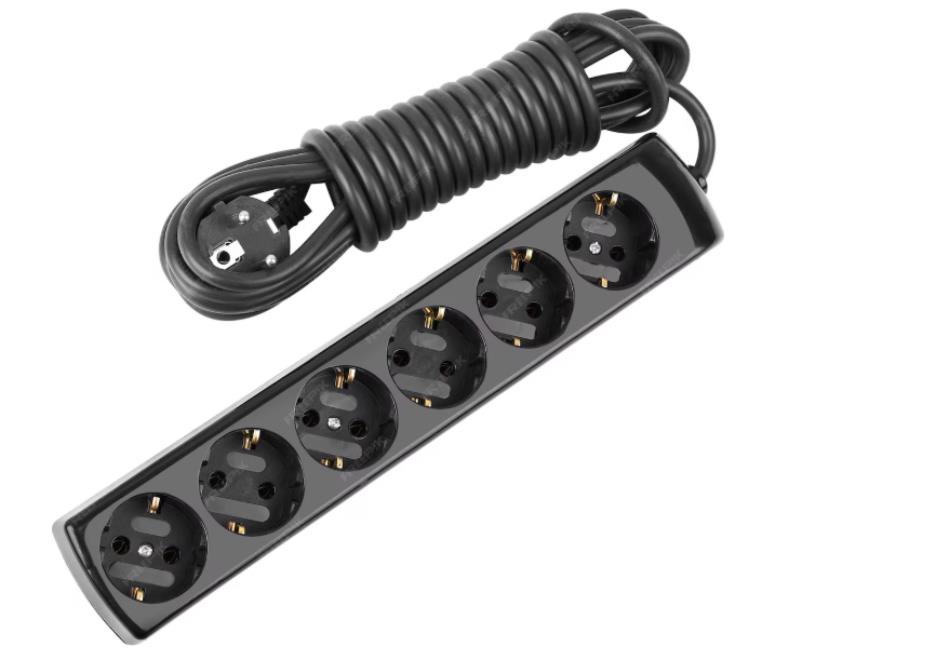
Another widespread error is plugging too many devices into the same extension cord (or plugging one cord into another, also known as daisy-chaining), which can overheat the cord and pose a fire hazard.
A majority of cords have a maximum weight that they are designed to withstand, and stacking devices put undue stress on the electrical system that the cord was not designed to handle.
How to Avoid It
Each high-power device should have its own cord, and do not tie up cords. When you need more than one outlet, use a properly rated power strip with overload protection. In the case of heavier loads, an extension cord that is specially made to support many tools or appliances can be used.
4. Running Cords through Unsafe Spaces
What you plug into the cord is not as important as where you lay the cord. It may seem convenient to have running cords under rugs, through doorways, or under furniture, but these trap heat; the cords are abraded, and insulation is weakened, creating fire hazards.
How to Avoid It
At all opportunities, lay cords along the walls, ceilings, or open areas where there is air circulation and where damage can be observed.
Walkways are supposed to be covered with cord protectors to prevent trips and to keep them out of high-traffic zones. Under no circumstances should they be concealed or compressed between clothes or sharp objects.
5. Failure to Perform Inspection and Maintenance

Dilapidated, ragged, or battered extension cords are not only an aesthetic nightmare, but also a major safety risk. With time, the outer insulation or internal wiring may deteriorate due to repeated bending, pressure, or moisture exposure, which gives the possibility of an electrical shock or short circuit.
How to Avoid It
Cords should be inspected during every usage. Search for cracks, cuts, bent plugs, or uncovered wires. When a cord is worn out, it should be replaced as soon as possible rather than attempting to repair it with tape or other temporary solutions.
Frequent examinations aid in the detection of issues at an early stage and prevent life-threatening circumstances.
6. Leaving Cords Plugged in When Not in Use
Even when not actively powering a device, a plugged-in extension cord can still conduct electricity and present a hazard. Leaving cords connected increases wear on both the cord and the outlet, and unattended cords are more likely to be damaged accidentally.
How to Avoid It
Make it a habit to unplug cords as soon as you’re done using them. This simple step reduces electrical stress, prevents unnecessary energy flow, and minimizes the chance of accidental damage.
Final Thoughts
Extension cords are indispensable tools in homes and workspaces, but their convenience carries responsibility. Using the wrong cord, overloading it, hiding it under rugs, or camping it outdoors without the proper rating can turn a simple task into a dangerous situation.
By matching cords to the power needs of your devices, keeping them in good condition, and placing them safely, you significantly reduce hazards and improve your overall electrical safety.
Remember that extension cords are meant for temporary use; if you find yourself relying on one continuously, it might signal a need to install additional outlets. Prioritizing awareness and preventative measures ensures your projects stay productive without compromising safety.