Why Exterior Cladding Shapes Buildings Today
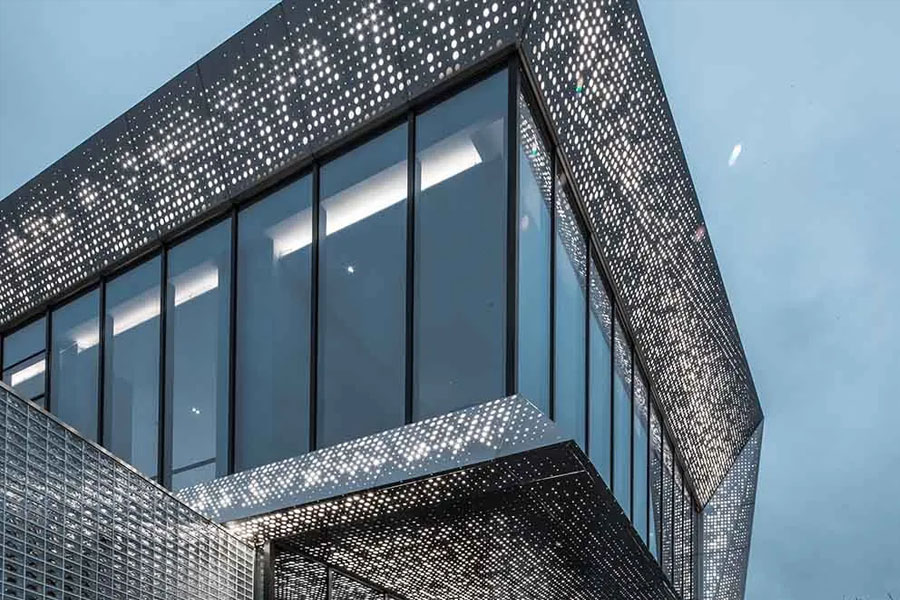
Stand in front of any contemporary structure and you will see more than surface. The exterior is the building’s armor, its weathercoat, and its public face. Cladding sets the tone, but it also shields the core from rain, sun, wind, and mechanical stress. It is both costume and shield.
Modern projects demand a façade that looks sharp and stays strong without constant upkeep. Cladding makes that balance possible by combining durable materials with intelligent assembly. The result is a building that keeps its cool, stays dry, and presents a clean line to the street.
Core Functions of a Cladding System
At its best, cladding is a multi-tasker. It should:
- Redirect water away from the structure
- Control moisture migration and condensation
- Improve thermal performance
- Resist impact and daily wear
- Provide a steady, lasting aesthetic
- Cut down on long-term maintenance
Think of it as the building’s skin. It breathes, it protects, and it sets an identity, whether that identity is minimal and quiet or warm and textured.
Materials You Will Encounter
Designers, contractors, and homeowners face a rich palette. Each option behaves differently and carries its own strengths.
- Metal cladding
Aluminum and steel are favored for contemporary profiles. They are light, strong, and dimensionally stable. Aluminum systems in particular often feature click-lock connections that speed installation. Many provide wood-look finishes that capture the warmth of timber without the downsides of swelling or rot. - Fiber cement
Dense and robust. With a matte, grounded appearance, fiber cement panels excel in harsh weather. They resist fire, stand up to UV exposure, and offer a solid presence on simple or understated façades. - Wood cladding
Inviting and natural, with varied grain and tone. Wood needs careful detailing, proper ventilation, and periodic maintenance. In moisture heavy regions, species choice, finishes, and back ventilation are critical. - PVC or vinyl
Lightweight and cost conscious. Popular for residential work with budget limitations. Performance varies by product line and finish quality. Aesthetic range is broader than it once was, but high-end minimal designs often favor other materials. - Composite panels
Engineered layers deliver strength with reduced weight. Suitable for complex geometries and modern forms. Many composites offer stable finishes and consistent flatness, which helps keep façade lines crisp.
There is no universal winner. Climate, budget, code requirements, desired look, and maintenance expectations drive selection.
What Contemporary Projects Expect
Today’s buildings expect more than a pretty shell. Teams look for:
- Clean, seamless lines and tight tolerances
- Lightweight systems to ease handling and reduce load
- Quick locking or interlocking panels
- Long-lasting finishes that resist fading
- Low maintenance surfaces
- Fire resistance that meets project requirements
- Options with recycled content or lower embodied carbon
Cladding has become a performance layer, not just ornament. It must work hard while looking effortless.
How Layered Cladding Assemblies Work
A good assembly is a set of cooperating layers, each with a specific role.
- Substructure or support frame
Rails, clips, or furring hold panels off the wall and manage loads. Alignment is crucial for clean lines. - Weather and moisture control
Membranes, tapes, and flashings prevent water intrusion. They steer water outward and manage air flow. - Insulation layer
Continuous exterior insulation boosts energy efficiency and helps eliminate thermal bridges. It stabilizes interior comfort and reduces heating and cooling demands. - Ventilation gap
A drained and ventilated cavity lets the façade breathe. It encourages drying, reduces condensation, and extends material life. - Outer cladding panel
The visible finish that faces the weather. It sheds water, blocks UV, and defines the architectural character.
Well designed systems simplify installation. Many modern panels click, lock, or slide into place, trimming labor time and improving consistency.
Choosing Materials for Context and Goals
Start with intent. Are you after warmth or minimal rigor. Then calibrate to climate and code.
- Humid and coastal regions
Salt, humidity, and fast weather changes put assemblies to the test. Choose corrosion resistant metals, stable composites, and ventilated designs. Detail careful flashing and drainage. - Sun heavy environments
UV stability and finish longevity matter. Seek high performance coatings or through color materials that resist chalking and fading. - Fire sensitive projects
Select systems with proven fire resistance and assemblies that limit flame spread. Coordinate detailing to maintain performance at joints, gaps, and penetrations. - Weight and logistics
For tight sites or complex elevations, lighter panels ease handling, reduce crane time, and speed installation. Aluminum and composite systems are strong candidates. - Maintenance appetite
If long intervals between touch ups are essential, prefer metals with durable coatings, composites with stable skins, and fiber cement with robust finishes. Wood can shine when care is planned.
Match the material to the story the building must tell, the weather it will face, and the lifecycle it must achieve.
Where Cladding Makes the Biggest Impact
Cladding earns its keep across project types:
- New custom homes seeking sharp lines and advanced performance
- Office façades with a crisp corporate identity
- Retail and hospitality aiming for durable finishes with welcoming texture
- Renovations that upgrade tired exteriors without heavy structural work
- High rise buildings where wind loads and fire safety drive design
- Coastal and high moisture regions that demand ventilated assemblies
A façade sets expectations at first glance. It also determines how the building ages.
Performance You Can Measure
The right system contributes quantifiable gains:
- Improved thermal performance through continuous exterior insulation
- Reduced noise transmission with dense or layered panels
- Lower structural stress thanks to lightweight assemblies
- Longer material life by managing moisture and UV exposure
- Routine cleaning rather than frequent repainting or refinishing
- Better energy efficiency with controlled air and water movement
- A coherent, refined visual field with true lines and flat planes
Treat cladding as a long term investment. The upfront choice influences decades of operation and appearance.
Installation and Workflow Considerations
Modern cladding systems are designed for clarity and speed. Pre-engineered rails, standardized fasteners, and click-lock panels allow crews to move quickly and maintain precision. This matters for contractors and distributors, but it also benefits designers who want consistent results across elevations and phases.
Successful installation requires planning. Make that substrate conditions, rail alignment, drainage, and flashing are correct. Proper sequencing prevents moisture, misaligned joints, and finish damage. Crews work faster and the façade reads correctly when assemblies are predictable.
Finishes, Color, and Texture
Finish choices have expanded. High performance coatings deliver deep color, matte subtlety, or metallic sheen. Wood-look aluminum captures the grain and warmth of timber while staying dimensionally stable. Fiber cement offers rich, mineral textures. Composite skins can achieve high gloss for a sleek, modern tone.
Color selection should consider sun exposure, heat gain, and nearby context. Textures hide minor scuffs and create shadow play across the day. On large elevations, consistent batch control and mockups help ensure the final surface meets expectations.
FAQ
I like modern designs… but how do I know which cladding material will actually last?
Durability comes from stability, moisture control, and finish quality. Look for materials that resist swelling, warping, and UV degradation, paired with assemblies that ventilate and drain. A strong coating or integral color helps prevent fading. Evaluate how the system performs over time in your specific climate, then align the selection with maintenance you are willing to perform.
Does cladding really help with energy efficiency or is that just a claim?
Yes, cladding helps. With continuous exterior insulation, tight air and water control, and ventilated cavities, assemblies reduce thermal bridging and manage heat flow. The building uses less energy to stay comfortable. Performance hinges on details and materials working together, not on the outer panel alone.
I’m not sure if installation is complicated… can regular contractors handle modern cladding systems?
Most modern panels and support systems are engineered for straightforward installation. With clear guides, common tools, and predictable connections, trained contractors can handle them effectively. Success depends on proper layout, fastening, and weather detailing. When the system is well documented, on-site work becomes efficient and repeatable.