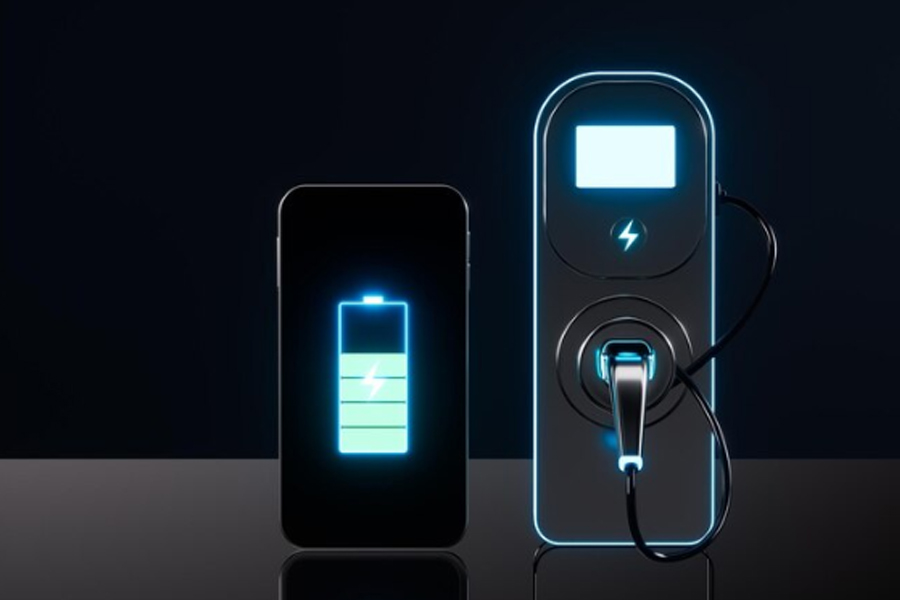
Why Portable Power Stations Are Worth Your Attention
Portable power stations bring electricity to places where wall outlets do not exist. For campers, remote workers, homeowners riding out a blackout, or teams on a job site, these compact units offer flexible, on-demand power without the fumes, noise, or maintenance that come with fuel generators. They are quiet enough for a library, safe enough for indoor use, and clean enough to pair with solar. In an era of climate volatility and digital dependence, having a reliable box of stored energy can feel like carrying a small lighthouse through the dark.
Think of them as multi-talented toolboxes. One side is rechargeable storage, the other is an inverter that turns battery power into standard AC output. Many include USB ports for phones, PD ports for laptops, and 12 volt sockets for car accessories. Combined with solar panels, they can form a compact off-grid system that follows you from the mountains to a spare bedroom.
Core Specifications That Matter
Watt-hour capacity is the first number to consider. This value indicates the unit’s energy capacity. A compact 200–300 watt hour station can charge phones and small electronics for a day. Mid-sized 500–1000 watt-hour batteries can power computers, fans, and lights overnight. Above 1000 watt hours, larger units backup small appliances temporarily.
Next, look at output. Manufacturers list continuous wattage and peak or surge wattage. Continuous is the steady power the station can supply. Surge is the brief burst needed to start motors in devices like fridges, pumps, or some power tools. If your appliance needs 600 watts steady and 1200 watts to start, make sure the station covers both numbers.
Efficiency matters too. Some stations convert stored energy to AC more effectively than others. Better conversion means more runtime per charge. Runtime is also shaped by your load. A single laptop might sip energy. A space heater will drink it fast.
Battery Chemistry And Lifespan
Lithium based batteries dominate portable power stations. Two families are common. Lithium ion variants are energy dense and light, suitable for carrying. Lithium iron phosphate, often written as LiFePO4, is heavier but known for long cycle life and thermal stability. If you plan frequent deep discharges or daily use, LiFePO4 is attractive for longevity. If you care most about weight and volume, lithium ion may appeal.
Cycle life is the number of charges and discharges a battery can endure before capacity declines. Better units retain most of their capacity after hundreds or thousands of cycles. Temperature impacts longevity. Freezing temperatures momentarily limit performance, while high heat accelerates deterioration.
Output Ratings Explained
Many of these stations’ inverters produce pure sine wave AC power for sensitive equipment. Check AC voltage and frequency for your region. Some models have high-power DC outputs and USB C power delivery for inverter-free charging. When powering computers, music gear, medical devices, or modern appliances, pure sine output lowers hums, glitches, and wear.
Surge handling is not one size fits all. Compressors in fridges and certain tools spike briefly when starting. If the surge capability is weak, the unit may trip protection and shut down. Ideally, surge headroom is at least double the continuous rating for short bursts.
Portability, Durability, And Design
Weight determines whether a station feels like a suitcase or block. Handles, wheels, and sturdy frames make bulky gear workable. Car campers can use heavier units. Weight matters in backpacking, and smaller stations win. Look for dust-resistant vents, reinforced corners, and high-quality connectors. Displays should be sunshine and nighttime-readable. Clear input, output, and battery status indicators aid day planning.
Noise comes mostly from cooling fans. Better thermal design keeps fans quiet while preventing overheating. If you intend to use the station in a bedroom or studio, check for low fan noise under moderate loads.
Charging Pathways And Solar Integration
Versatility is a hallmark of good stations. The best accept wall input, 12 volt car charging, and solar panels. Wall charging is fast and predictable. Car charging is slower, useful while driving. Solar brings independence. If the unit includes a maximum power point tracking charge controller, or MPPT, solar efficiency rises and charging becomes more reliable under variable light. Confirm the acceptable solar voltage range and connector type, often MC4 or proprietary.
Portable panels fold like maps and travel easily. Rigid panels are more durable and efficient per dollar but bulkier. Under sun, cloud, and shade, actual solar output swings. Pairing panel size to station capacity prevents bottlenecks. As a rule of thumb, aim for enough panel wattage to refill the station in the daylight hours you realistically expect.
Safety And Thermal Management
Safety features protect your investment and your devices. A good battery management system watches cell voltages, temperature, and current, preventing overcharge, over discharge, and short circuit events. Proper ventilation and smart fan curves stop thermal runaway. Grounded AC outlets, robust fusing, and clear fault indicators reduce risk. Certifications vary by region. Build quality, cable gauge, and connector integrity all contribute to safe long term service.
Real World Performance And Reviews
Specifications are promises. Reality is performance under varied loads, temperatures, and duty cycles. Some stations throttle under heat, others fall short of their rated capacity due to conservative tuning or high inverter losses. Long term reviews reveal whether capacity fades quickly, ports loosen, displays fail, or firmware misbehaves. If you rely on the unit for medical devices or business critical tasks, real world testing matters as much as the spec sheet.
Battery estimators built into many stations can be optimistic or conservative. Treat them as guides, not gospel. Track your typical loads and hours of use. You will form a practical sense of runtime that is more accurate than any single number.
Sizing Your System For Real Use
Start with your devices. List what you plan to power, their wattage, and how long you will run each. Add a margin for surges and inefficiencies. If your setup draws 200 watts for six hours, that is 1200 watt hours before losses. A station rated at 1200 watt hours may not deliver the full number to AC due to conversion losses. Allow for overhead.
Decide how portable you need the station to be. Urban apartments with elevators can tolerate heavier units. Remote trails cannot. If you are designing for emergency backup, prioritize capacity and reliability. If you are building for weekend camping, prioritize weight and quick charging.
Think about expandability. Some stations allow external batteries or linkable units. Others integrate with rooftop or portable solar. Plan for growth if your needs are evolving.
Smart Operating Habits For Longer Service
Treat the battery kindly. Avoid frequent deep discharges if possible. Partial cycles extend life. Keep the unit in a temperate environment away from prolonged heat. If storing for months, leave the battery near a middle state of charge and check it periodically.
Match the load to the station. High wattage appliances can drain small units fast and stress inverters. Use DC outputs when practical to reduce conversion losses. Keep cables short and appropriate for the current. Clean vents and avoid blocking them during operation.
Monitor energy use. A simple plug in meter or built in display helps you learn your patterns. With solar charging, chase the sun. Position panels thoughtfully, adjust tilt, and avoid shading. Small improvements compound over the day.
FAQ
What size portable power station do I need for camping?
Start by listing your devices and hours of use. For lights, phones, and a laptop, a 300 to 500 watt hour unit often suffices for a weekend. If you add a cooler, fan, or projector, consider 500 to 1000 watt hours. Car campers can carry more capacity without penalty. Backpackers benefit from smaller, lighter stations and frequent recharging.
Can a portable power station run a refrigerator?
Many compact fridges and efficient full size models can run on mid range stations if surge and continuous ratings are met. Check your fridge label for wattage and the starting surge. As a practical baseline, a station with 1000 watt hours and an inverter capable of 800 watts continuous with strong surge handling can support short runs. Duty cycle, ambient temperature, and door openings will affect runtime.
How long do lithium batteries in portable stations last?
Lifespan depends on chemistry, depth of discharge, temperature, and charging habits. Lithium iron phosphate often endures thousands of cycles with modest capacity loss. Lithium ion typically has fewer cycles but higher energy density. If you avoid deep discharges, keep temperatures moderate, and recharge thoughtfully, many stations remain useful for years.
Is solar charging practical year round?
Yes, with expectations tuned to the season. Summer delivers longer sunlight and higher output. Winter brings shorter days and lower sun angles. Cloud cover reduces power. Using an MPPT controller and adequate panel wattage improves charging. Plan for slower refills in tough weather and consider combining wall charging when available.
What is the difference between surge and continuous wattage?
Continuous wattage is the steady power the inverter can deliver day to day. Surge wattage is the short burst needed for devices with motors or compressors when they start. If your appliance requires 300 watts continuous but spikes to 900 watts at startup, your station must accommodate the surge to avoid shutdown.
Can I use a power station indoors safely?
Yes, portable battery stations are designed for indoor use. They do not produce exhaust. Ensure adequate ventilation so the cooling system works properly. Keep the unit away from heat sources, flammable materials, and moisture. Follow manufacturer guidelines for charging and operation.
How should I store a unit during winter?
Store in a cool, dry place away from freezing temperatures. If the unit will sit for months, set the battery to a middle state of charge and check it every few weeks. Avoid full charge or deep discharge during long storage. Keep dust away from vents and protect connectors from corrosion.
Do I need a pure sine wave inverter?
For sensitive electronics, audio gear, and modern appliances, pure sine output is recommended. It replicates household AC and minimizes noise, heat, and potential issues with power supplies. Modified sine output may work for simple resistive loads, but pure sine offers broader compatibility and peace of mind.