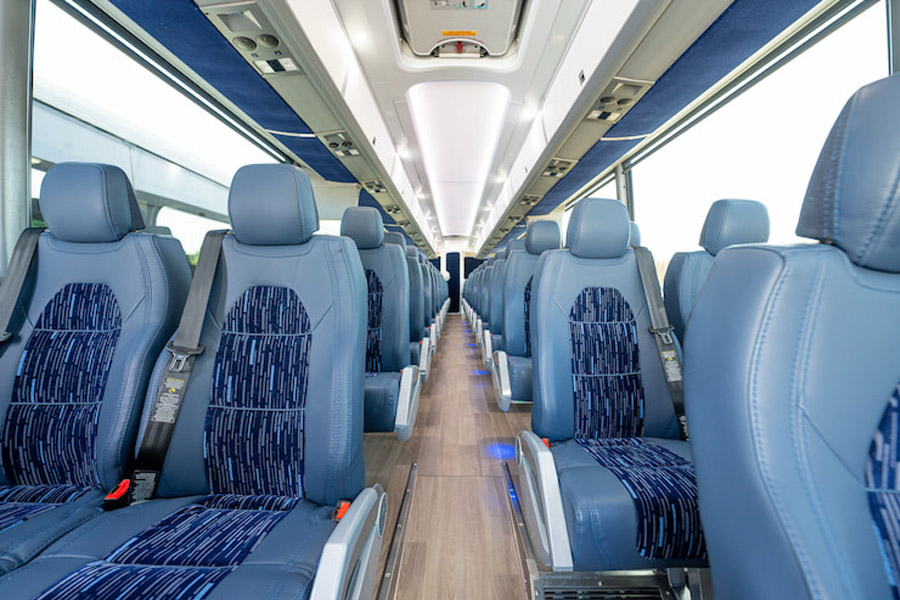
Why Your Charter Choice Sets the Tone
A charter bus is more than wheels and seats. It is a timeline you can trust, a safety net for your group, and the rhythm that keeps your trip on beat. The right provider turns logistics into a smooth performance. The wrong one leaves you scrambling in the wings. Reliability, transparent pricing, flexibility, customer care, and the right vehicle type all matter. In a market crowded with brokers and operators, a handful of services consistently rise above the noise. Below, you will find five standout options, each with a distinct edge, followed by a clear framework for choosing what fits your group.
Metropolitan Shuttle: Tailored Guidance From First Call to Final Stop
Metropolitan Shuttle attracts planners who want attention to detail and continuous support rather than a transactional handoff. Expect a dedicated account manager who follows your itinerary, handles updates, and keeps communication crisp. The company leans on a broad national network and coordinates vehicle selection to match group size and comfort needs. This hands-on approach often proves invaluable for complex itineraries, multi-stop trips, or groups that want a single point of contact.
The tradeoff is cost. Because the service invests in personalized coordination, quotes may sit above price-focused competitors. For many planners, the premium feels justified by stability and accountability through every phase of the journey.
Bus.com: Swift, Transparent, and Built for Click-to-Confirm
Bus.com fits planners who prefer an intuitive online path from quote to booking. The platform surfaces instant pricing, compares vehicle types side by side, and lets you refine details without a phone marathon. If you manage events or trips with tight turnaround times, that speed and clarity can be a lifesaver. It also tends to remove mystery from the budget, giving you a snapshot of what each choice costs.
The weak link is support consistency during busy seasons. When demand spikes, response times may lag. If your group needs frequent updates or custom requests, prepare to nudge or plan ahead for peak dates. For tech-savvy teams with straightforward requirements, the convenience is hard to beat.
GOGO Charters: Built for Scale and High-Volume Coordination
GOGO Charters specializes in orchestration at scale. Conferences, pro and college sports, concerts, conventions, and multi-day tours are its bread and butter. The network is large, which makes stacking multiple vehicles across different pickup windows easier. Pricing for bulk reservations can be competitive, particularly if you lock in early and commit to clear timelines.
The experience can feel less intimate. You get the engine of a large operation, not boutique hand-holding. For planners who measure success by on-time dispatch, reliable vehicle counts, and clean manifests rather than custom flourishes, GOGO Charters is a steady conductor.
National Charter Bus: Consistency Across Cities and Trip Types
National Charter Bus serves numerous U.S. metro regions with minibuses, full-size coaches, and ADA-accessible vehicles. If your route crosses cities or you standardize transportation for numerous offices or campuses, uniformity important. Coordinating vehicle types and service standards across locations reduces surprises.
Pricing can vary from city to city. Local market conditions, operator availability, and seasonality influence quotes. If you anticipate trips in several regions, plan for those differences in your budget. As a nationwide option, National Charter Bus scores high for availability, even when you need to move quickly.
US Coachways: A Practical Choice for Value-Driven Groups
US Coachways often lands on the short list when the budget is tight. The network leans on many smaller operators to keep rates accessible, which makes it attractive for school outings, community groups, and standard charter routes. Coverage is broad, and availability is frequent for common trip patterns.
Quality can vary. Partnering with numerous operators means bus age, amenities, and onboard experience may differ trip to trip or city to city. Ask detailed questions before you confirm, especially if your group expects a certain standard of comfort or specific features.
What to Weigh Before You Book
Choosing the right service is part detective work and part alignment of priorities. Put your group’s needs at the center, then evaluate each provider across the same set of lenses.
- Customer Support and Accountability: You want a partner, not a transaction. Ask who will be responsible for your trip details, how you will receive updates, and what happens if a schedule shifts. Dedicated points of contact and clear escalation paths reduce stress.
- Fleet Variety and Fit: Start with headcount, luggage, and accessibility. Minibuses suit smaller teams and short hops. Full-size coaches handle larger groups and longer distances with restrooms, undercarriage storage, and more comfortable seating. If you have riders with mobility needs, confirm ADA availability and loading procedures in writing.
- Transparency and Total Cost: Quotes should spell out base rates, driver pay, fuel, tolls, parking, and overtime. Clarify minimum hours, day rates, and any fees tied to route changes or late-night returns. A clean estimate keeps your budget intact and avoids mid-trip surprises.
- Coverage and Scheduling Flexibility: Check service footprints, lead times, and blackout dates. Providers with larger networks are often better at last-minute requests. If your itinerary spans multiple cities, prioritize companies with proven multi-location coordination.
- Reliability and Safety: Ask about operator vetting, vehicle maintenance protocols, and driver training. The best providers treat safety like a lighthouse, guiding every decision regardless of price or pressure.
FAQ
How far in advance should I book a charter bus?
Lead times of four to eight weeks are ideal for most trips, and longer for peak seasons or events that require multiple vehicles. Early booking secures better fleet choice and more predictable pricing. Last-minute requests are possible with larger networks, but expect limited options or higher rates.
What information do I need to get an accurate quote?
Have your headcount, pick-up and drop-off locations, dates, and approximate timeline ready. Share baggage needs, onboard requirements such as restrooms or Wi-Fi, and any accessibility needs. If there are multiple stops, include a draft schedule. Clear inputs translate to accurate pricing and fewer revisions.
Are there hidden fees I should watch for?
Common add-ons include tolls, parking permits, driver hotel rooms for overnight trips, and overtime if you exceed quoted hours. Some cities charge event or venue fees for staging or idling. Ask for a line-item estimate and confirm how changes will be billed before you sign.
What is the difference between a broker and an operator?
Brokers manage logistics for a network of operators, while operators own and operate vehicles. Brokers can provide greater inventory and coverage for difficult itineraries. Operators may direct bus selection and driver communication. Clear service standards benefit both types.
How do I ensure the bus meets accessibility needs?
Request ADA-accessible vehicles explicitly and confirm lift type, aisle width, and seating arrangements. Share the number of riders using mobility devices and any time needed for boarding. Ask how drivers are trained for accessibility procedures. Put those commitments in your contract.
What size bus should I book for my group?
Match capacity to your headcount with room to spare. Minibuses typically seat 18 to 30 passengers and suit short urban moves. Full-size coaches often seat 50 or more and include restrooms and larger storage. If you carry equipment or luggage, factor in undercarriage space and loading time.
Can I make changes after booking?
Most providers allow adjustments, but policies vary. Changes to timing, routes, or vehicle type can affect price and availability. For large events, set a change cutoff date and communicate updates in batches to avoid confusion.
How do I plan for driver regulations and rest requirements?
Drivers must comply with hours-of-service rules that limit consecutive driving and require rest periods. Share your schedule honestly so dispatchers can assign additional drivers or split routes. Respecting these limits protects safety and keeps your trip legal.
What amenities should I expect on modern coaches?
Common features include reclining seats, climate control, reading lights, power outlets, Wi-Fi on select vehicles, and restrooms on full-size coaches. Amenity availability can vary by operator. If a feature is important to your group, request it explicitly and confirm in writing.
How do multi-vehicle events stay organized?
Success hinges on staging plans, clear manifests, and a single decision-maker. Choose a provider experienced with multi-bus dispatch. Share route maps, load zones, and timing windows. Establish a communication channel for day-of adjustments so updates flow quickly from venue staff to drivers.