Key Takeaways
- High Success Rates:Dental implants boast success rates between 90% and 98%, making them a reliable option for tooth replacement.
- Bone Preservation:Implants stimulate the jawbone, preventing bone loss that typically follows tooth loss.
- Natural Functionality:They restore chewing ability and speech clarity, closely mimicking natural teeth.
- Long-Term Durability:With proper care, dental implants can last a lifetime.
Yes, dental implants are widely considered the most effective and durable solution for replacing missing teeth. They offer a permanent, natural-looking replacement that preserves jawbone health and restores full functionality. Southpark Dental Group in Orlando, FL, provides a range of services to meet your needs, including dental implants.
What Are Dental Implants?
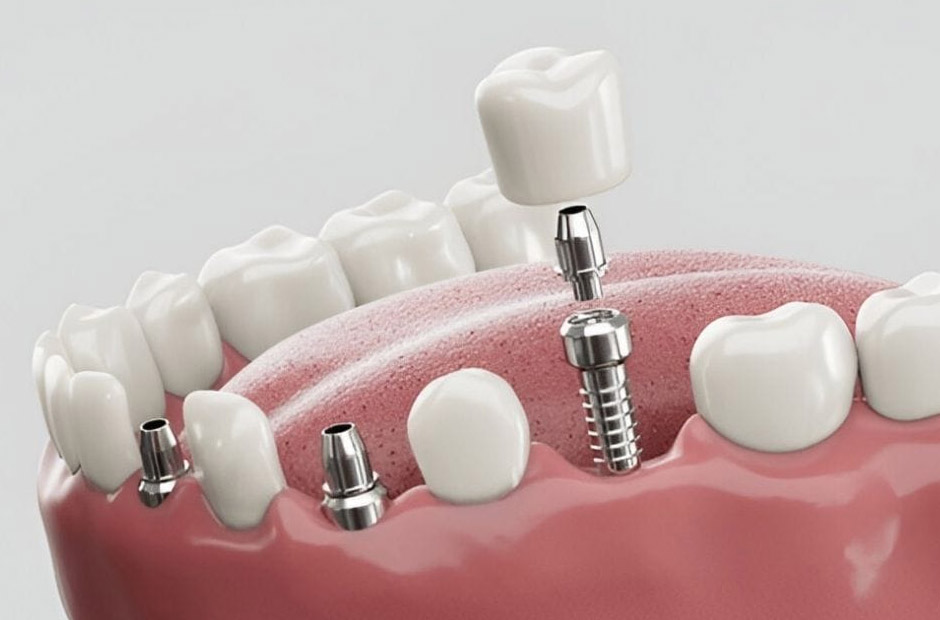
A dental implant is a medical device used to replace a lost tooth due to injury, genetic predisposition, or dental disease. Unlike dentures, which sit on top of the gums and can be removed, implants are permanent. Dental implants consist of three parts: a titanium screw (the implant) that is surgically placed into the jawbone to replace the root of the tooth; a small connector (called an abutment) that attaches to the implant above the gumline; and a crown (an artificial tooth) that is placed over the abutment. Surgery is required to insert the titanium screw into the jawbone.
How Do Dental Implants Compare to Other Tooth Replacement Options?
When considering tooth replacement, it’s important to compare the most common options based on durability, bone preservation, and overall functionality:
- Dental Implants:Highly durable and can last a lifetime with proper care. They help prevent bone loss by stimulating the jawbone and provide the most natural chewing ability and speech, closely mimicking real teeth.
- Dental Bridges:Offer moderate durability, typically lasting 10–15 years. While they restore function and appearance effectively, they do not prevent bone loss and may require altering adjacent healthy teeth for support.
- Dentures:Generally less durable and may need frequent adjustments or replacement over time. They do not prevent bone loss and can feel less stable, sometimes affecting speech and eating comfort.
Understanding these differences helps patients choose the best long-term solution for their oral health, lifestyle, and budget, ensuring both function and confidence are restored effectively.
What Is the Success Rate of Dental Implants?
Studies consistently demonstrate that dental implants have a high success rate, typically 90% to 98%, depending on factors such as the type of implant, the skill of the dental professional, and the patient’s overall health. Long-term data indicate that implants maintain excellent survival rates even after 10 to 15 years, making them one of the most reliable options for tooth replacement. Proper oral hygiene, regular dental check-ups, and avoiding habits such as smoking further enhance their longevity. Compared to traditional dentures or bridges, dental implants provide superior stability, preserve jawbone integrity, and restore natural chewing and speaking function. This combination of durability, functionality, and long-term predictability positions dental implants as the preferred choice for patients seeking a permanent, life-enhancing solution to missing teeth.
Are Dental Implants Suitable for Everyone?
While dental implants are a viable solution for many, certain conditions may affect candidacy:
- Insufficient Bone Density:Adequate jawbone is necessary to support the implant.
- Chronic Health Conditions:Diseases like uncontrolled diabetes can impede healing.
- Smoking:Tobacco use can affect osseointegration and overall success.
A thorough evaluation by a dental professional is essential to determine suitability.
What Is the Procedure for Getting Dental Implants?
The dental implant process typically involves several stages:
- Consultation and Planning:Assessment of oral health and imaging studies.
- Surgical Placement:Insertion of the implant into the jawbone.
- Healing Period: Osseointegrationoccurs over several months.
- Abutment Placement:The connector piece is attached to the implant.
- Crown Placement:A custom-made crown is affixed to the abutment.
How Should One Care for Dental Implants?
Maintaining dental implants involves:
- Regular brushing and flossing.
- Routine dental check-ups.
- Avoiding hard foods that may damage the crown.
Proper care ensures the longevity and functionality of the implant.
Conclusion
Dental implants provide a reliable and long-lasting solution for replacing missing teeth, offering unmatched durability, natural function, and an aesthetically pleasing appearance. Unlike bridges or dentures, implants help preserve jawbone structure, preventing bone loss and maintaining facial integrity. They restore full chewing and speaking capabilities, allowing patients to eat and talk confidently. With proper care, including regular dental visits and good oral hygiene, dental implants can last a lifetime. For anyone seeking a permanent, effective, and natural-looking tooth replacement, dental implants remain the most advantageous and trusted option.