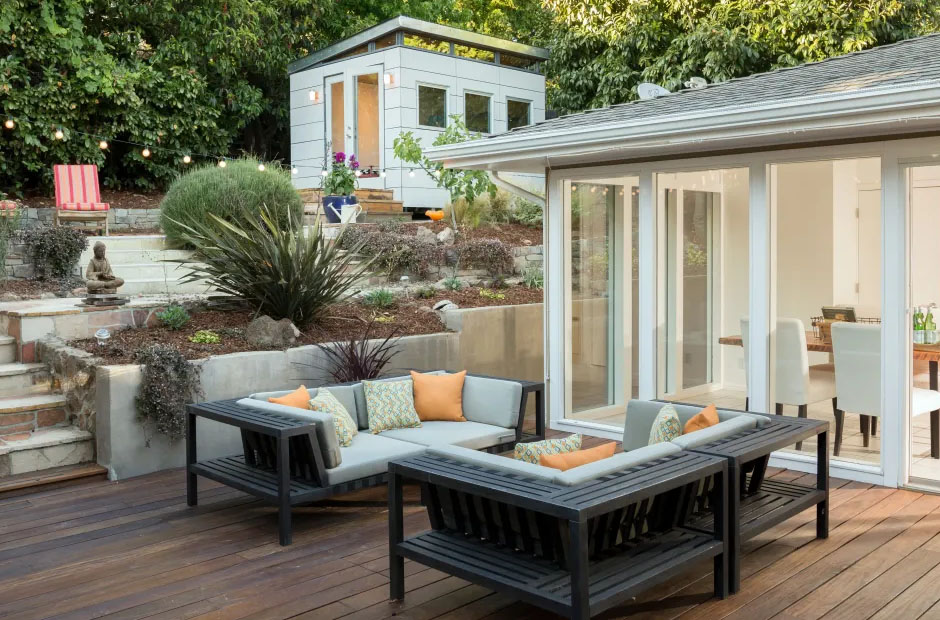
A great backyard deck does more than add square footage. It changes how you use your home. It creates a place to slow down, host friends, or spend a quiet morning outside. But the decks that truly stand out—the ones that feel intentional and effortless—are never accidents. They are the result of planning, clear priorities, and informed decisions.
This article lays out a practical, expert-level approach to designing a deck that looks polished, functions well, and feels like a true retreat. No hype. No shortcuts. Just a clear framework you can adapt to your space and goals.
Start With the Purpose, Not the Materials
Before thinking about wood types or railings, define what the deck is meant to do. This step is often skipped, and it shows in the final result.
Ask direct questions:
- Will the deck be used mostly for entertaining or daily relaxation?
- How many people should it comfortably hold?
- Will it need space for dining, lounging, or both?
A deck designed for large gatherings needs open circulation and durable surfaces. One designed as a quiet escape may prioritize privacy, shade, and seating depth. Purpose drives layout. Layout drives every other decision.
Once the function is clear, the design process becomes simpler and more efficient.
Evaluate the Site With a Critical Eye
Your backyard sets the rules. Ignoring its constraints leads to costly revisions later.
Pay close attention to:
- Sun exposure throughout the day
- Prevailing wind patterns
- Slope and drainage
- Existing trees or structures
A deck that faces harsh afternoon sun may need built-in shade or a pergola. A sloped yard may benefit from a multi-level design. These conditions are not obstacles. They are design cues.
Professionals often reference established outdoor design principles similar to those discussed in Architectural Digest, where function and environment are treated as inseparable. That same mindset applies here.
Design the Layout for Flow and Balance
A well-designed deck feels easy to move through. Nothing feels cramped or oversized. This comes down to proportions and circulation.
Key layout considerations include:
- Clear walkways between zones
- Logical transitions from the house to the deck
- Defined areas without visual clutter
For example, dining areas should not interrupt foot traffic. Seating zones should feel anchored, not floating. Built-in benches, planters, or subtle changes in board direction can help define spaces without walls.
Think in terms of how people will move, pause, and interact.
Choose Materials That Match the Environment and Lifestyle
Material choice is not just about appearance. It is about longevity and maintenance.
Hardwood, composite, and pressure-treated lumber all have strengths. The right choice depends on climate, usage, and how much upkeep you are willing to accept.
Consider:
- Heat retention in direct sun
- Resistance to moisture and insects
- Long-term color stability
Railings, fasteners, and finishes matter just as much as decking boards. Consistency across these elements creates a cohesive look. Cutting corners here undermines the entire project.
Plan for Comfort at Human Scale
Comfort is often underestimated in deck design. Dimensions that look good on paper may not feel good in real use.
Focus on:
- Adequate seating depth
- Railing heights that do not block views
- Stair placement that feels natural
Built-in seating should accommodate cushions. Steps should be wide and shallow enough to feel safe. Railings should balance openness with security.
At this stage, many homeowners choose to consult experienced deck builders who understand building codes, ergonomics, and real-world use patterns. Their input can prevent small design flaws that become daily annoyances.
Integrate Privacy Without Isolation
A private escape does not mean closing yourself off completely. The goal is controlled separation.
Smart privacy solutions include:
- Slatted screens that allow airflow
- Planters with layered greenery
- Partial walls combined with open railings
These elements soften boundaries while preserving light and views. They also add texture and depth to the design.
Privacy should feel intentional, not defensive.
Use Lighting to Extend Usability
Lighting determines whether a deck feels inviting after sunset or becomes unusable.
Avoid relying on a single overhead source. Instead, layer lighting:
- Step lights for safety
- Low-level accent lights for ambiance
- Task lighting near grills or dining areas
Warm color temperatures work best outdoors. Fixtures should blend into the design during the day and enhance it at night.
Thoughtful lighting turns a deck from a daytime feature into an all-day space.
Account for Utilities Early
Power, water, and gas lines are far easier to plan before construction begins.
If you anticipate:
- Outdoor kitchens
- Heating elements
- Sound systems
- Smart lighting controls
These should be integrated into the design phase. Retrofitting later is expensive and disruptive.
Even if you do not install everything now, planning for future upgrades protects your investment.
Align Design With Local Codes and Climate
Every region has specific building requirements. These affect footing depth, railing height, load capacity, and material choices.
Ignoring codes risks fines, rebuilds, or safety issues. Climate matters just as much. Freeze-thaw cycles, coastal air, or high humidity all influence how a deck performs over time.
Designing within these constraints does not limit creativity. It ensures durability.
Think Long-Term, Not Just First Impressions
A showstopping deck on day one that deteriorates quickly is not a success.
Ask:
- How will this deck age?
- What will maintenance look like in five years?
- Will the design still feel relevant?
Timeless layouts, neutral base materials, and flexible spaces tend to last longer. Trends can be introduced through furniture and accessories instead of permanent structures.
A deck should evolve with how you live, not lock you into one phase.
Bring It All Together With Intent
Designing a backyard deck that feels like a private escape is a layered process. It requires clarity, restraint, and informed choices.
When purpose, layout, materials, comfort, and environment align, the result feels natural. The deck does not demand attention. It earns it.
That is the difference between a platform and a destination.