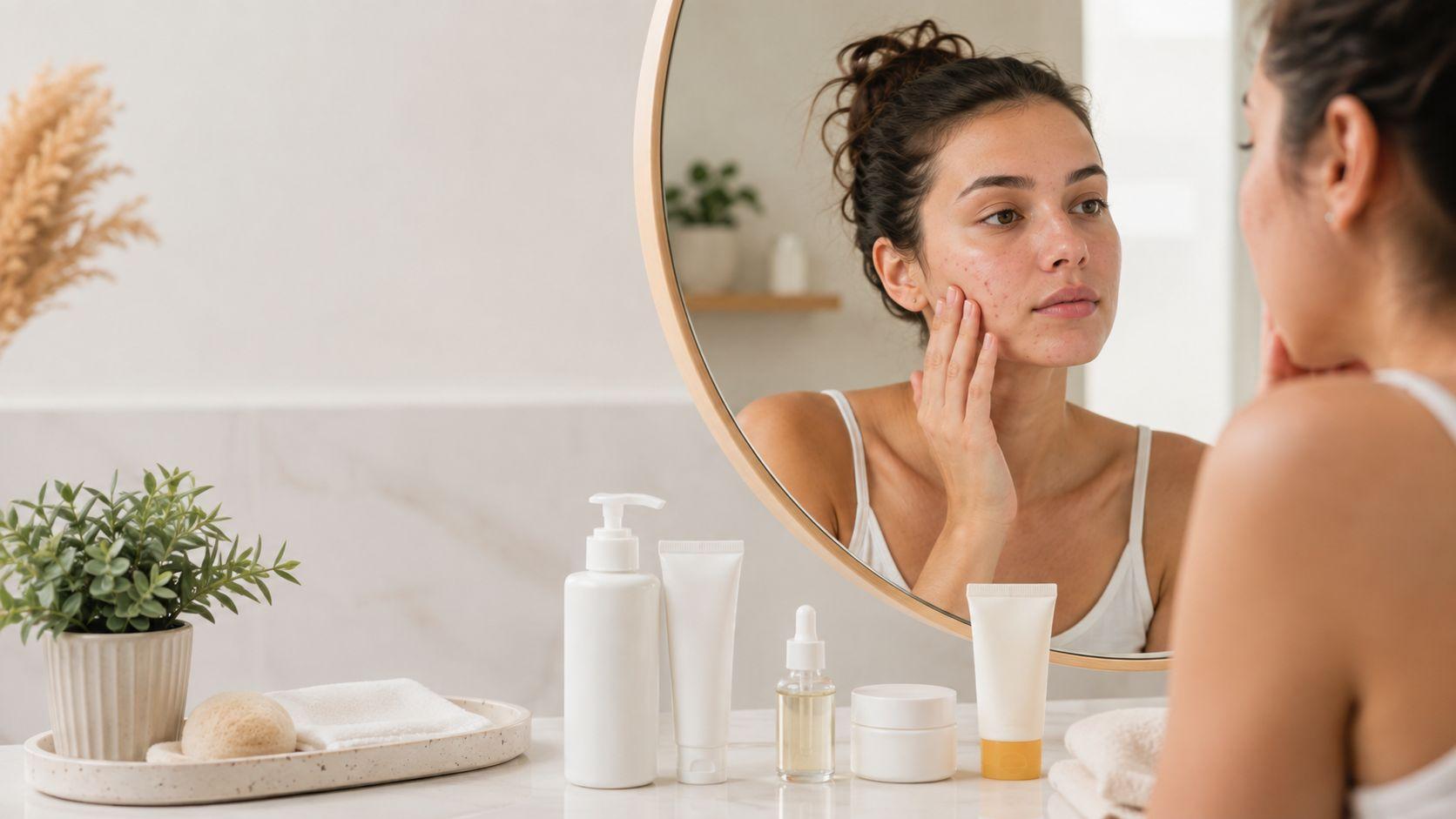
Acne rarely follows a simple script. A product that quickly improves one person’s blackheads may do very little for another person’s inflamed breakouts. A treatment that works well on oily teenage skin may be too aggressive for an adult managing acne, sensitivity and post-breakout marks at the same time.
That is why the most useful question is no longer, “What is the strongest acne product?” A better question is, “Which active ingredient addresses the type of acne I actually have?”
Modern acne care is becoming more targeted. Instead of relying on harsh scrubs or repeatedly changing products, people are learning to distinguish between clogged pores, inflammatory spots, persistent hormonal patterns and the discoloration that may remain after a breakout. This more precise approach can make an acne routine easier to follow and less likely to overwhelm the skin.
Acne Is Not Just an Adolescent Problem
Acne is strongly associated with adolescence, but it can continue well into adulthood or appear for the first time after the teenage years. It commonly affects the face, although the chest, shoulders and back may also be involved.
The visible blemish is only the final stage of a process occurring inside the hair follicle. Excess sebum, accumulated skin cells, inflammation and changes in the follicle’s microbial environment can all contribute. Hormonal activity, genetics, certain medications and occlusive cosmetics may also influence how and where breakouts appear.
This explains why there is no universal acne treatment. Someone dealing primarily with blackheads may need a different active ingredient from someone experiencing painful nodules along the jawline. Correctly identifying the pattern is often the first step toward choosing an appropriate treatment.
Matching the Active Ingredient to the Breakout
The growing range of acne products can initially look confusing. However, most established treatments belong to several recognisable groups.
Retinoids for Congested Pores and Recurring Breakouts
Topical retinoids such as adapalene, tretinoin and tazarotene are widely used in acne management. They help regulate the way skin cells are shed within the follicle, reducing the formation of clogged pores. They may therefore be considered for blackheads, whiteheads and recurring inflammatory lesions.
Retinoids are usually intended for consistent use rather than emergency spot treatment. Dryness, peeling or irritation can occur, particularly when a strong formulation is introduced too quickly or combined with several exfoliating products.
The objective should not be to make the skin peel as much as possible. Excessive irritation can make a routine difficult to maintain and may leave the skin barrier feeling uncomfortable. Prescription retinoids should be selected and used with professional guidance, especially during pregnancy, while breastfeeding or when other dermatological conditions are present.
Benzoyl Peroxide for Inflamed Blemishes
Benzoyl peroxide is an established option for inflammatory acne. It acts against acne-associated bacteria and can help reduce the development of inflamed spots.
It is also frequently combined with topical antibiotics. This is important because current clinical guidance discourages using topical antibiotics alone for acne. Combining different mechanisms of action can improve treatment coverage while helping to reduce concerns related to antimicrobial resistance.
Benzoyl peroxide can cause dryness and may bleach towels, pillowcases or clothing. Higher concentration does not automatically mean better results, particularly when it causes enough irritation to make regular use impossible.
Salicylic Acid for Oily, Congested Skin
Salicylic acid is oil-soluble and is commonly found in cleansers, lotions and leave-on treatments for acne-prone skin. It can help loosen material inside congested pores, making it especially relevant to blackheads, whiteheads and oily skin.
Although salicylic acid is readily available without a prescription in many countries, it is still an active treatment. Using it alongside strong retinoids, exfoliating acids and abrasive scrubs may create more irritation than benefit.
Azelaic Acid for Breakouts and Post-Acne Marks
Azelaic acid occupies a useful position between acne treatment and tone-supporting skincare. It can help address clogged pores and inflammation while also being considered when uneven pigmentation remains after blemishes have healed.
Many people are more concerned about the marks left by acne than the original spots. However, fading discoloration without controlling new breakouts can become an endless cycle. An ingredient capable of supporting both concerns may help simplify the routine.
Additional Prescription Options
Topical dapsone, clascoterone, antibiotic combinations and other prescription formulations may be considered in selected cases. Oral treatments can also play a role in moderate, severe, widespread or hormonally influenced acne.
These treatments are not interchangeable. Each has its own indications, precautions, interaction profile and monitoring requirements. A large acne category is therefore most useful when shoppers evaluate products by active ingredient and formulation—not simply by brand recognition or claimed strength.
Why Combination Products Have Become Important
Acne often involves more than one biological process. A person may simultaneously have blocked pores, excess oil and inflammatory lesions. Combination formulations are designed to address more than one of these factors without requiring numerous separate products.
Examples include adapalene with benzoyl peroxide, clindamycin with benzoyl peroxide, and tretinoin with clindamycin. These combinations are included in major clinical acne guidelines, although the appropriate choice depends on acne severity, medical history and individual tolerance.
This does not mean that every effective ingredient should be layered together. More products can mean more opportunities for dryness, burning and inconsistency. A carefully chosen combination treatment may be more practical than a shelf filled with competing actives.
The Most Overlooked Ingredient Is Patience
Social media encourages people to judge skincare after several applications. Acne treatment works on a different timeline.
Visible improvement may take six to eight weeks, while many treatment plans are formally reviewed after approximately 12 weeks. Changing the routine every few days makes it difficult to identify what is helping and can repeatedly expose the skin to new sources of irritation.
Consistency does not mean ignoring worsening symptoms. Severe irritation, swelling, blistering or signs of an allergic reaction require immediate attention. New users should follow the product instructions and may need to test a small area before applying a treatment more broadly.
For routine dryness, a gentle moisturiser and less frequent application may sometimes improve tolerability, depending on the treatment and the advice of a healthcare professional.
Build the Supporting Routine First
Even an appropriate active ingredient can struggle inside an unnecessarily aggressive skincare routine. The supporting steps should usually remain simple:
- Wash acne-prone skin gently, generally no more than twice daily and after heavy sweating.
- Avoid scrubbing lesions with brushes, rough cloths or abrasive particles.
- Select non-comedogenic skincare, sunscreen and cosmetics.
- Remove makeup before sleeping.
- Avoid repeatedly picking or squeezing spots.
- Use a moisturiser compatible with acne-prone skin when treatment causes dryness.
- Protect treated skin from excessive sun exposure.
Squeezing a visible blemish may feel productive, but repeated picking can increase inflammation and the likelihood of persistent marks or scarring.
How to Browse Acne Products More Intelligently
A well-organised category should function as a research tool rather than a collection of miracle promises. When exploring acne treatment products, start by examining the active ingredient, concentration, formulation and intended use.
A cream may feel more comfortable on dry or sensitive skin, while a gel may be preferred by someone with oilier skin. A cleanser has brief contact with the skin, whereas a leave-on product delivers longer exposure. A fixed combination may reduce the number of separate steps, but it can also make it harder to adjust one ingredient independently.
Check whether the product requires a prescription in your jurisdiction and whether a healthcare consultation is appropriate. Read the complete ingredient list, warnings and storage instructions. Avoid assuming that two similarly named products have identical strengths or formulations.
International customers should also confirm local rules concerning prescription medicines, importation and personal use before ordering.
When Acne Needs Professional Assessment
Self-directed skincare has limits. Painful nodules, cystic lesions, rapidly worsening acne and visible scarring should be evaluated by a qualified clinician. Medical advice is also appropriate when acne has not improved after complete, properly followed treatment courses.
Professional support should not be delayed when acne is affecting confidence, social interaction or emotional wellbeing. Acne is sometimes dismissed as a cosmetic inconvenience, but its psychological impact can be significant.
A clinician can also help distinguish acne from conditions that may look similar, including rosacea, folliculitis and perioral dermatitis. Treating the wrong condition with increasingly aggressive acne products may worsen irritation without addressing the underlying problem.
A Better Definition of an Effective Acne Routine
The best acne routine is not necessarily the one with the most steps, the highest concentrations or the fastest peeling. It is the routine that addresses the relevant type of acne, remains tolerable enough to use consistently and can be reviewed objectively over time.
Start with the problem rather than the product. Identify whether congestion, inflammation, hormonal distribution or residual discoloration is the main concern. Choose an evidence-based active ingredient, keep the supporting routine gentle and allow enough time to assess the response.
Acne treatment becomes less confusing once every product has a defined purpose. That shift—from chasing individual spots to following a coherent strategy—is where more sustainable skin improvement can begin.
This article is intended for general educational purposes and does not replace diagnosis, prescribing or individual medical advice. Prescription products should be used only under the supervision of an appropriately qualified healthcare professional.