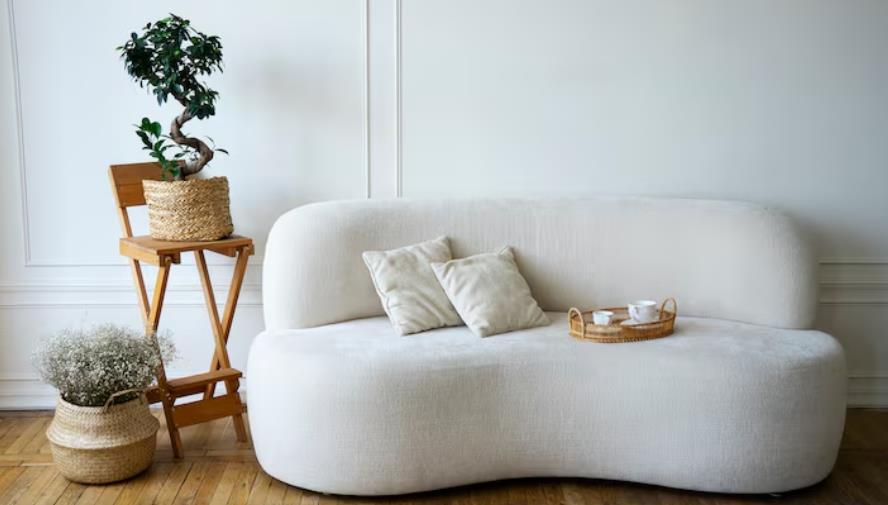
In recent years, the allure of contemporary furniture in Singapore has seen a significant rise. This city-state, recognised for its innovative architectural landscape and cosmopolitan lifestyle, has embraced contemporary furniture styles that blend functionality with aesthetic appeal. As a result, many homeowners actively seek contemporary furniture in Singapore to create interiors that reflect modern design trends while maintaining practicality. These modern designs reflect Singapore’s forward-thinking ethos, creating a seamless union between tradition and modernity. The increase in demand stems from the need to adapt urban living spaces to contemporary aesthetics and space-saving solutions, responding to the compact nature of many city dwellings.
Defining Contemporary Furniture
Contemporary furniture embodies a dynamic design philosophy that evolves over time to incorporate the current trends and preferences. It is often confused with modern furniture, albeit subtly different. While modern furniture refers to a specific design period, contemporary styles are ever-changing, reflecting the latest in design sensibilities. In the context of Singapore’s lifestyle, this means furniture pieces that are minimalist yet functional, crafted using materials like metal, glass, and natural fibres, which are synonymous with the clean-lined, uncluttered look of contemporary styles.
Key Characteristics of Contemporary Furniture
Singapore’s contemporary furniture is not just about style; it’s about intelligent design. Here are some of the defining characteristics:
- Simplicity: The hallmark of contemporary design is minimalism. Furniture often features straight lines and smooth geometric shapes, eschewing ornate designs for simplicity and functionality.
- Neutral Colours: While pops of bold colours can accentuate a room, contemporary furniture typically favours a neutral palette. Shades of black, white, and grey are prominent, offering a sophisticated backdrop that adapts to various interior styles.
- Materials and Textures: Incorporating a mix of materials is common. Glass, steel, and metal provide a sleek, industrial look, while wood adds a warm, natural touch. Blending these elements creates a balanced environment that feels both modern and inviting.
- Innovative Designs: From modular sofas that adapt to different living spaces to multifunctional coffee tables, innovation is at the core of contemporary furniture design. Such adaptability is vital in Singapore’s urban context, where clever space utilisation is essential.
The Influence of Urban Living
Singapore’s urban landscape intensely influences the choice and design of furniture. The compact nature of homes calls for space-efficient solutions without compromising on style or comfort. Contemporary pieces are particularly suited for this purpose, as they offer functional solutions that cater to modern living needs. Multifunctional furniture items like extendable dining tables, sofa beds, and storage-integrated chairs are common, exemplifying the pragmatic approach that contemporary design advocates.
Sustainability in Contemporary Designs
As environmental consciousness grows, sustainable practices have become a critical influence in contemporary furniture design. Many pieces now incorporate eco-friendly materials and sustainable manufacturing processes. This shift towards sustainability answers the global call for ecological responsibility while resonating with Singapore’s commitment towards a greener future. Recycled materials, responsibly sourced wood, and low-emission manufacturing processes are becoming standard, making contemporary furniture not only stylish but also sustainable.
Art and Aesthetics: The Role of Designers
Designers play an integral role in shaping the contemporary furniture landscape. Talented local designers bring unique perspectives that infuse global trends with local culture, creating pieces that are emotionally resonant and culturally relevant. This fusion of global design ethos and local creativity means that contemporary furniture often stands as a piece of art in its own right. It provides homeowners with the chance to express individual tastes through unique, statement-making furniture items.
Exploring Accessibility and Affordability
Accessibility and affordability are crucial in making contemporary furniture a staple in households. The burgeoning market in Singapore has witnessed increased competition, which, in turn, has led to a broader variety of price points. This variety ensures that consumers from different economic backgrounds can access quality contemporary pieces. Online platforms and boutique stores broaden the scope further, offering consumers endless possibilities to select furniture that aligns with their budget and taste without compromising on style or quality.
Embracing Technological Integration
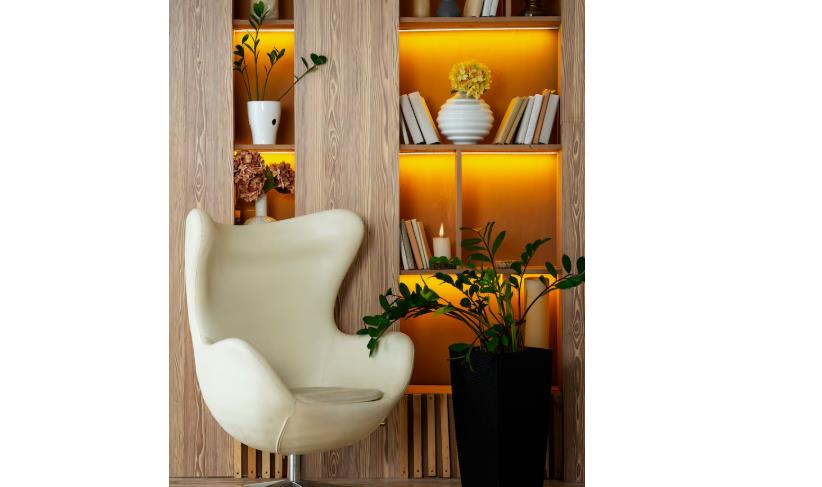
The integration of technology in contemporary furniture design is a burgeoning trend that aligns with Singapore’s smart nation ethos. Many designers now incorporate tech features that enhance functionality and convenience. From smart sofas with built-in charging docks to tables with wireless charging capabilities, technology in furniture design represents the forward trajectory of living spaces that are as connected and efficient as possible.
Future Trends in Contemporary Furniture
The future of contemporary furniture in Singapore appears poised for continued transformation and diversity. As new technologies emerge and global design trends evolve, consumers will likely see even greater innovation in the way furniture incorporates these advancements into design. The focus on wellness, sustainability, and technological integration is expected to remain at the core of future designs, creating a dynamic and responsive industry that evolves in harmony with societal needs.
Contemporary furniture in Singapore provides insights into how design can adapt to lifestyle changes while retaining its aesthetic allure. Its trajectory emphasises functionality and modernity without losing sight of individuality and artistic expression. As these styles continue to develop, they offer an elegant solution to the demands of urban living, demonstrating how furniture can be both a practical necessity and a form of personal expression.