Key Takeaways
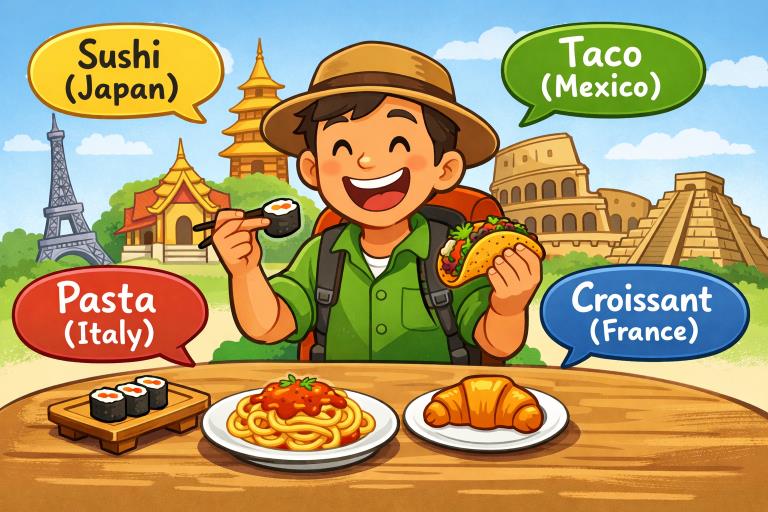
- Food is a powerful way to experience culture and can transform how you see the world.
- Sampling local cuisines, participating in food tours, and seeking authentic dining experiences are central to culinary travel.
- Learning about traditional recipes and food customs enriches your understanding of each destination.
Introduction to Culinary Travel
For many people, travel is about more than just sightseeing. It is about exploring new scents, flavors, and textures that define a destination’s identity. Whether you are eating street food in Bangkok or savoring handmade pasta in Rome, food connects us with the local culture in ways nothing else can. Renowned culinary travelers like Claudette Spinelli Schwartz have shown that food and travel together can reveal the heart of a community and spark unforgettable adventures.
The rise of food-focused tourism has made it easier than ever before to plan entire trips around culinary experiences. From farmers’ markets to Michelin-starred restaurants, what you eat becomes as memorable as the landmarks you visit.
As you plan your culinary travels, expect to engage with locals, discover time-honored cooking techniques, and learn how food shapes a region’s traditions and lifestyle. Each bite can tell a story of migration, climate, and innovation.
Whether you are a seasoned gourmand or a traveler seeking your next delicious meal, food tourism is a journey that satisfies both appetite and curiosity. Travel magazines and guides, such as National Geographic Travel and Lonely Planet, are excellent resources for those wanting to get started with food-centric adventures.
Building Your Culinary Itinerary
- Do Your Research
Before setting out, research the local cuisine of your chosen destination. Identify must-try dishes, popular restaurants, and street food markets. Use reputable resources like The New York Times Travel Section for guides and travel tips. Understanding what is unique to the region will help you make the most of your trip and avoid tourist traps.
- Join Food Tours and Cooking Classes
Food tours offer curated tastings and insider access to popular spots and hidden gems, often led by local chefs or food historians. Cooking classes immerse you in the process of making signature dishes, providing hands-on insights that deepen your appreciation for the food you eat. These experiences encourage cultural exchange and often include trips to local markets so you can see the ingredients’ origins firsthand.
- Seek Authenticity Over Familiarity
While it can be comforting to gravitate toward familiar foods, stepping out of your comfort zone leads to the most memorable discoveries. Be adventurous and try regional specialties. In Japan, that might mean sushi made with freshly caught fish at Tsukiji Market. In Morocco, sample couscous and tagine cooked over coals in a traditional riad. Even a simple baguette in a Parisian bakery can provide a lesson in French artisanal tradition.
- Engage With Locals
Conversations with cooks, shop owners, and fellow diners often lead to unexpected recommendations and cultural insights. Asking locals about their favorite places to eat or the foods they grew up with can open the door to memorable home-cooked meals and off-the-beaten-path experiences. This type of travel also helps foster community connections and supports small businesses.
Culinary Destinations Worth Exploring
Certain countries and cities have become synonymous with their culinary scenes. For anyone looking to plan their next food-focused escape, here are a few classic destinations:
- Italy:From Neapolitan pizza to Tuscan wines, each region offers a distinctive culinary style rooted in centuries-old traditions. Exploring Italy’s food means learning about the local ingredients and seasonal rhythms that shape dishes.
- Thailand:Renowned for its vibrant street food culture, Thailand boasts an array of dishes from spicy papaya salad to fragrant curries. Night markets and floating markets provide a sensory overload of sights, sounds, and flavors.
- Mexico:Beyond tacos and enchiladas, Mexico offers a complex culinary heritage spanning from mole poblano in Puebla to fresh ceviche in the Yucatán.
- France:French cuisine is celebrated for its refinement, but its regional diversity means there is always something new: rustic stews in Provence, seafood in Brittany, and pastries in every bakery nationwide.
Food Etiquette and Responsible Travel
Respect for local customs is an integral part of culinary travel. Take time to understand dining etiquette, including table manners, tipping practices, and acceptable forms of payment. Being mindful of food allergies and researching ingredient origins can improve your experience and help you navigate dining dilemmas.
Travelers are increasingly aware of the importance of sustainable and ethical eating. Supporting eco-friendly restaurants, eating locally produced foods, and minimizing waste can help ensure a positive impact on the places you visit. Large publications like National Geographic’s Food & Travel often publish guides on responsible food travel, offering helpful frameworks for making sustainable choices.
Conclusion
Traveling through food opens up new avenues for cultural connection, personal growth, and delightful surprises. Embarking on a culinary journey means more than just tasting new dishes. It is about opening yourself to new experiences and learning about the world with every bite. So, pack your appetite and curiosity the next time you travel. The world, with all its flavors, awaits your discovery.