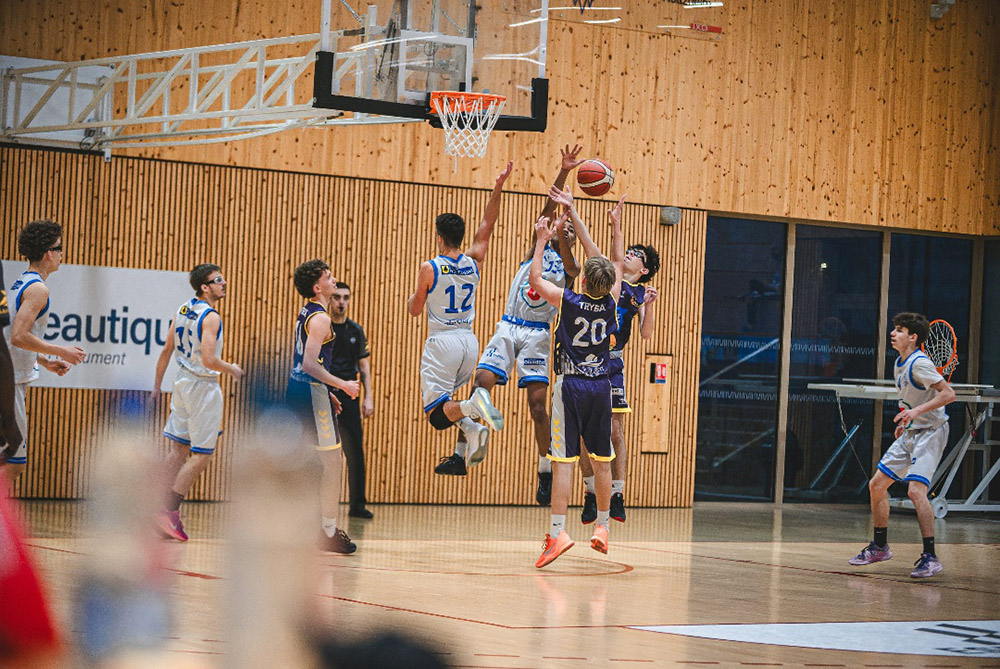
There is something about competitive club sports that shapes young athletes in ways a regular physical education class simply cannot. The structured environment, the expectations from coaches and teammates, and the constant push to improve all come together to build character traits that last well beyond the playing field.
For families looking to give their children a meaningful edge in life, enrolling them in competitive club sports has become one of the most effective paths to developing discipline and a strong work ethic. This is especially true in communities where organised athletic programmes are thriving and accessible to young people eager to grow.
Why Structured Team Environments Build Better Habits
When young athletes join a competitive club, they are immediately placed into a structured environment that demands consistency. Practices are scheduled, attendance matters, and there are clear expectations around effort and behaviour. Unlike casual recreational leagues, competitive clubs operate with a sense of purpose that mirrors the kind of accountability found in academic and professional settings.
This structure is where discipline begins to take root. Athletes learn that showing up is not optional. They understand that preparation matters and that cutting corners during training only hurts them when it counts. Programmes offered by Youth Hoops basketball clubs in Edmonton give young players exactly this kind of framework, where commitment and consistency are treated as non-negotiable values. Over time, the habits formed in these settings carry over into schoolwork, family responsibilities, and eventually the workplace.
The beauty of a structured team environment is that it teaches discipline without making it feel like punishment. Athletes want to improve. They want to earn their spot. That internal motivation, paired with external accountability, creates a powerful combination that shapes how young people approach challenges for years to come.
The Role of Coaching in Shaping Character
Behind every disciplined young athlete is usually a coach who held them to a standard. Coaches in competitive club sports do far more than run drills and draw up plays. They set the tone for what is acceptable and what is not. They correct attitudes, reinforce punctuality, and demand effort even on days when an athlete would rather coast.
Good coaching teaches young people that talent alone is never enough. It is the willingness to put in the work, to listen, and to be coached that separates athletes who grow from those who plateau. This lesson is one of the most valuable things a young person can learn, and it applies far beyond athletics.
Coaches also model the kind of work ethic they expect. When athletes see their coaches arriving early, preparing thoroughly, and holding themselves accountable, it sends a message. It creates a culture where hard work is respected, and laziness is not tolerated. That culture becomes something athletes internalize and carry with them into every area of their lives.
Learning to Embrace Discomfort and Delayed Gratification
One of the most important lessons competitive club sports teach is that growth requires discomfort. Getting stronger, faster, and more skilled is not a comfortable process. It involves fatigue, frustration, and the occasional failure. But athletes who stick with it learn something crucial: the payoff comes later, and it is worth the struggle.
This concept of delayed gratification is something many young people struggle with in an age of instant access and constant stimulation. Competitive sports force them to slow down and invest in a process. They train for months before a tournament. They work on weaknesses that will not show improvement overnight. They sit on the bench, wait for their opportunity, and earn their minutes through effort rather than entitlement.
Accountability to the Team Builds Personal Responsibility
In individual pursuits, it is easy to let yourself off the hook. If you skip a workout or slack off on preparation, the only person affected is you. But in a team setting, that changes completely. When an athlete does not give their best, the entire group feels the impact. That shared responsibility is a powerful motivator.
Competitive club sports create an environment where young athletes hold each other accountable. Teammates notice when someone is not pulling their weight, and that social pressure reinforces the importance of personal responsibility. Athletes learn that their actions have consequences not just for themselves but for the people around them.
How Competition Itself Fuels the Drive to Improve
Competition is often misunderstood as being purely about winning and losing. While results certainly matter, the deeper value of competition lies in what it reveals about a person. It shows where you are strong, where you are weak, and how you respond when things do not go your way.
Athletes who compete regularly develop a natural drive to improve. They watch film, ask questions, and put in extra work outside of scheduled practices. That initiative is the very definition of work ethic. Nobody has to tell them to do more. They want to because they have experienced the sting of falling short and the satisfaction of getting better.
This internal drive is something that cannot be taught in a classroom or handed over in a lecture. It has to be felt, and competitive sports provide the perfect stage for that experience. Every match, every tournament, and every tough practice becomes an opportunity for growth.
Carrying These Lessons Into Adulthood
The discipline and work ethic built through competitive club sports do not expire when an athlete hangs up their uniform. These qualities become embedded in how a person approaches life. Former athletes often speak about how their time in competitive sports prepared them for the demands of higher education, careers, and personal challenges in ways they did not fully appreciate at the time.
Employers consistently value candidates who demonstrate reliability, resilience, and the ability to work within a team. These are the exact traits competitive club sports develop from a young age. The athlete who learned to show up early, push through fatigue, and support their teammates becomes the employee who meets deadlines, handles pressure, and contributes positively to a team dynamic.