Do you want to stop bleeding money on waste?
Most businesses see waste management as an annoying back-office hassle. Something they’re resigned to paying for, but never question and never optimise.
And that’s why they’re getting ripped off.
Throwing away waste might seem unconnected to profits but making poor decisions around disposal companies, licensing, and regulatory compliance costs you money. Big money.
Stack up a badly negotiated contract with a supplier, a wasteful disposal process, and not knowing the going rate for recycling — and you’ve got a pretty expensive business problem. And it’s getting more expensive, fast.
Everything your business decides about waste — today — is a financial decision.
Picking the wrong business waste disposal companies hurts your profits in three ways:
- Overpriced disposal costs
- Penalties for non-compliance
- Missing out on recycling refunds
And most businesses have zero visibility into how much they could be paying. They sign a contract with a waste disposal company and just pay the invoices. Month after month. Never stopping to think if they could be paying less.
Not anymore.
Knowing exactly what business waste disposal companies charge for — and why costs are rising — is the first step towards taking control of your waste bill. Better Waste has compiled some of the most useful business waste management company statistics to help you see where you should be paying attention.
Because waste costs are only going one way. And it’s not down.
What you’ll discover:
- Why Waste Costs Are Climbing Fast
- The Surprising Price Of Getting Disposal Wrong
- How Savvy Businesses Slash Their Waste Bills
- How To Pick The Right Business Waste Disposal Companies
Why Waste Costs Are Climbing Fast
No one is making landfill cheaper. In fact, the government is doing everything it can to inflate the price.
The UK Landfill Tax rose from £103.70 per tonne in 2024 to £126.15 per tonne in 2025 — a hike of 21.65%. If your business is still landfilling anything — you feel that pain.
But…did you know?
Incoming legislation is about to make waste more expensive in several other ways.
Extended Producer Responsibility (EPR) passes the entire cost of recycling packaging onto the creators and businesses that use it. The British Retail Consortium predict this will cost the retail industry around £2 billion a year.
The UK Emissions Trading Scheme is also expanding to include waste incineration. Translation: that cost will rise too.
If the government has one message on waste — it’s this.
“Stop chucking so much away. Recycle more. Or keep paying.”
The Surprising Price of Getting Disposal Wrong
Don’t think for one second that increased costs are just coming from Westminster.
It’s what most businesses do next that loses them money.
Waste expenses are treated like any other line on a bill. Pay up. Everyone moves on. Except the cost of wasting money on waste goes way deeper than that.
Here’s where budgets really get hit.
Overpaying on landfill and general waste.
Businesses that throw recyclables into general waste are paying premium prices for disposal. And will continue to do so until they segregate properly. Guaranteed.
Fines for regulatory non-compliance.
In March 2025 the brand-new Simpler Recycling legislation comes into force. Expect hefty fines for businesses caught out without appropriate waste separation processes in place.
Missing out on recycling refunds.
It’s not all about fines. Certain types of waste — like glass, cardboard and metals — have real value. Businesses that segregate and partner with the right business waste disposal companies can actually earn money from waste. Recycling as a cost? Only if you don’t realise there’s cash on the table.
Here’s the real kicker…
A recent survey showed that 65% of waste managers said they had not considered an alternative waste strategy.
That’s not a waste issue. That’s a strategy failure.
How Savvy Businesses Slash Their Waste Bills
So you’re keen to future-proof your business against rising costs. And cut your expenses wherever possible.
First off, great news — you’re not wasting money because you don’t segregate.
Companies that are squeezing every penny from their waste follow three basic principles:
Do a Waste Audit
Stop throwing good money after bad. If you don’t know exactly what your business throws away — how can you possibly optimise costs?
Take stock of the type and volume of waste your business produces. Then how often you throw it away. You’d be shocked at the number of businesses who pay to dispose of recyclables. Or waste that can actually earn them money.
The average waste audit takes a couple of hours. And can save thousands annually.
Segregate Your Waste Correctly
You’ve seen the stats. Getting your waste separation right is step number one to keeping costs low. Here’s a simple starting point…
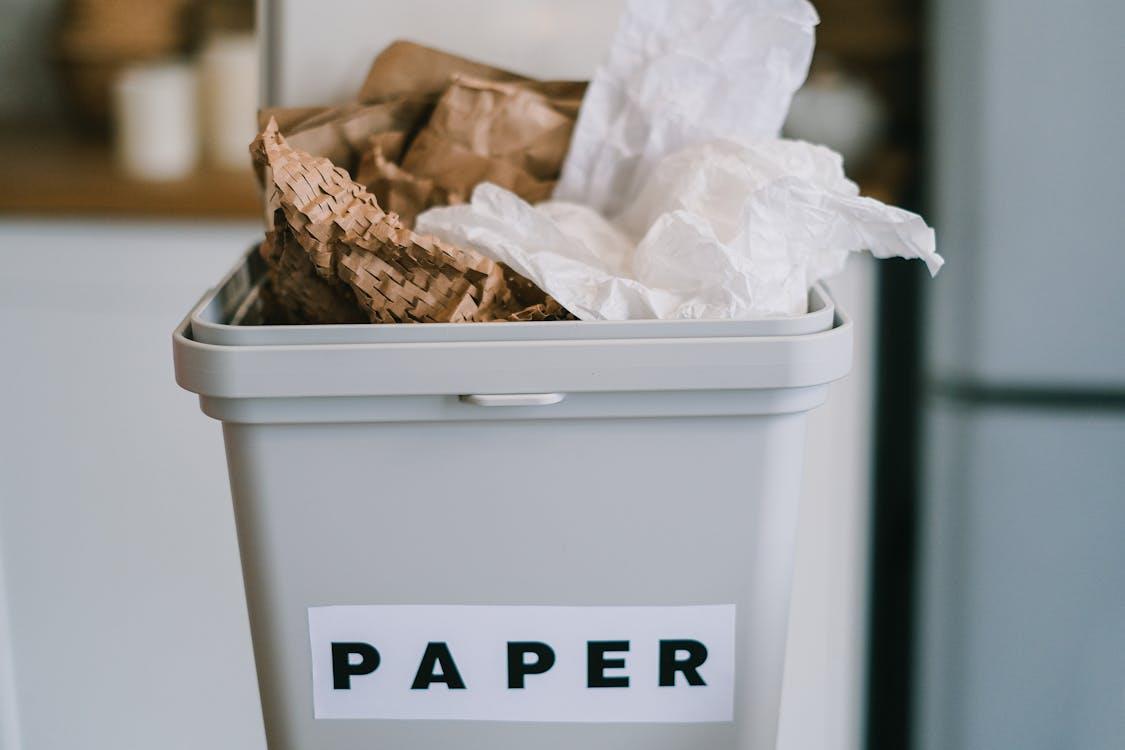
- Bin all paper and cardboard together.
- Have a separate bin for plastics, glass, and metals.
- Food waste gets its own container.
- General waste is the bin you resort to only when absolutely necessary.
Prevent Waste Where Possible
Ah yes, the oldest trick in the book. If you don’t create it, you don’t have to dispose of it.
Look at every single type of waste your business regularly produces. Then ask yourself:
Do you need to create this waste?
Think about:
- Single-use packaging from your supply chain
- Leftover materials from production lines
- Food waste in your kitchens
Not only will this save you on waste disposal costs. You’ll also reduce collection fees because you’re chucking away less overall.
Waste Isn’t a Simple Decision
Every year, UK businesses produce almost 34 million tonnes of waste. Factor in rising landfill taxes, new EPR charges, and tighter compliance rules — and that waste costs more to manage than ever before.
Businesses that approach waste as a strategic cost will win. Businesses that don’t will bleed money and never understand why.
You don’t have to overhaul your operations to reduce costs. But you do need to know where you stand. And make smarter choices about waste moving forward.
Easy peasy, right?
Final Thoughts
Waste management isn’t optional. And it’s not getting any cheaper.
To recap:
- Rising taxes and fees make disposal decisions more expensive — quickly
- Incorrect waste segregation is costing you money right now
- Prevention is the easiest way to save on waste
- Partnering with the right business waste disposal companies really does make a difference
Treat your waste budget like the financial liability it is.
You’ll thank yourself later.