Understanding Paint Protection Film (PPF)
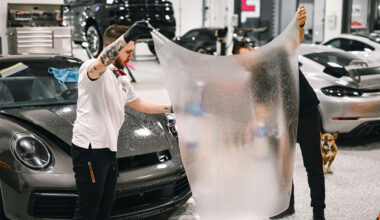
For many vehicle owners, maintaining a car’s exterior is about more than looks. It also involves taking steps to preserve long-term value. One of the most effective ways to keep paint pristine is Paint Protection Film (PPF), also called a clear bra. This thin yet powerful thermoplastic urethane film is applied to painted surfaces and acts as an invisible barrier, protecting your car from the daily hazards of driving. If you are researching options like ceramic coating for cars in Colorado Springs, CO, understanding how PPF works can help you make an informed choice about protection solutions for your vehicle.
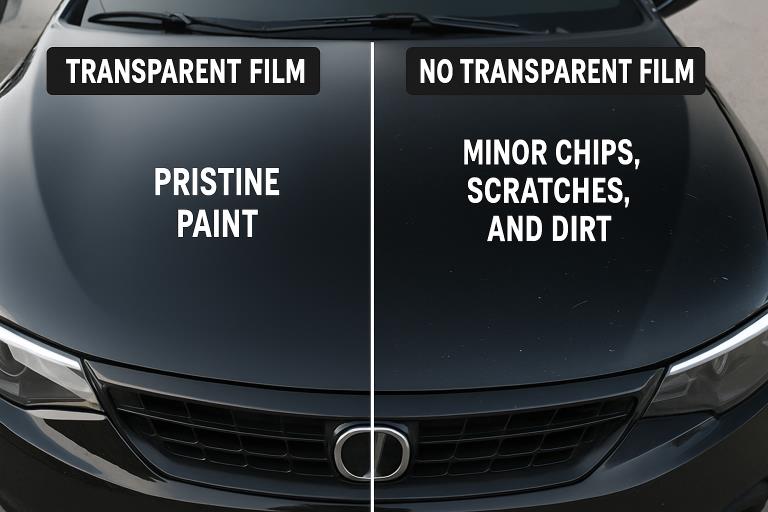
PPF is designed to absorb minor impacts, stop rock chips, and shield your paint from scratches, bug splatter, and harsh weather. Today’s advanced films are engineered for clarity, flexibility, and self-healing properties, which means minor abrasions often vanish with the application of heat or sunlight. This, combined with its ability to maintain the original paintwork’s vibrancy, makes PPF a popular investment among car enthusiasts and everyday drivers alike.
Benefits of Applying PPF
- Comprehensive Surface Protection:One of the main reasons drivers choose PPF is its exceptional protection against harsh elements, including loose gravel, road salt, bird droppings, and oxidation. By serving as the first line of defense, PPF reduces the frequency and severity of paint damage, helping keep repair costs down.
- Enhances Vehicle Appearance and Value:By shielding vulnerable surfaces from wear and tear, PPF helps cars maintain a showroom shine for years. This preservation can be particularly valuable when it comes time to sell or trade in your vehicle. Studies have shown that well-maintained exteriors often lead to higher resale values, sometimes boosting returns by up to 15 percent.
- Low Maintenance Requirements:Compared to waxing or other protective coatings, PPF is hassle-free, mainly. Its hydrophobic surface repels water, grime, and other contaminants, simplifying cleaning routines. Vehicles with PPF typically need fewer washes and do not require waxing, saving time and effort over the vehicle’s lifespan.
With the growth of high-end car care, drivers also have access to innovations such as self-healing PPF, which uses heat to erase minor scratches automatically. This makes it a compelling upgrade for those who want protection with minimal ongoing attention.
For customers searching for automotive ceramic coating near me, combining PPF with a ceramic coating can further improve resistance to environmental contaminants and make routine cleaning even easier.
Considerations Before Investing in PPF
- Upfront Investment:Properly installed PPF requires significant upfront investment. Depending on whether you opt for partial or full-body coverage, prices range from $1,200 to $5,000 or more. The choice of film quality and installer experience will also impact the final cost.
- Skill Matters with Installation:For best results, PPF should be applied by trained professionals with specialty tools. Amateur or DIY installations can lead to bubbles, seams, or peeling edges, undermining the film’s protective benefits. Choosing a reputable installer is an essential step.
- Protection Limitations:While highly durable, even the best PPF has its limits. It can guard against most impacts from small debris or road spray, but is not impervious to major collisions or deep gouges from sharp objects. Because of this, PPF should be seen as one part of a comprehensive care strategy rather than a total solution.
Is PPF Suitable for Used Cars?
PPF is not just for brand-new vehicles. Many used car owners benefit from its long-lasting protection, provided the underlying paint is in good condition. Before installation, any rock chips or paint scratches must be professionally repaired. Applying PPF over damaged paint will not hide flaws. For used vehicles with extensive imperfections, carefully weigh the cost of paint correction and film installation against the car’s overall value. In situations where a full repaint is necessary, the additional outlay for PPF may not always be justifiable.
Maintenance and Longevity of PPF
High-quality PPF, when correctly cared for, can provide reliable protection for 5 to 10 years. Maintenance guidelines are straightforward: wash the film regularly with pH-neutral soaps, avoid abrasive sponges, and steer clear of automated car washes that use brushes. Adding a ceramic coating to PPF provides an additional layer of protection and makes daily maintenance even easier. For specific recommendations on washing and care routines, you can refer to automotive maintenance resources such as Popular Mechanics.
Real-World Scenarios Highlighting PPF’s Value
Consider a daily commuter navigating highways often littered with gravel and highway debris. Over the months, the car’s lower bumper and hood would typically show significant damage from stone chips and pitting if left unprotected. With PPF in place, the same surfaces stay looking untouched. Similarly, city drivers who regularly face road salt in winter or sticky bugs in summer find that cleaning is much simpler and that their vehicles stay newer for longer. For drivers who value their car’s appearance or who want to avoid costly repaints, PPF can mean peace of mind every time they step behind the wheel.
Conclusion
Paint Protection Film is an awesomely wise investment for extending the life and appearance of your vehicle’s exterior. While the cost can be substantial and professional installation is a must, the benefits of reduced maintenance, increased resale value, and reliable everyday protection often outweigh the initial price for many car owners. Before deciding, consider your priorities, your vehicle’s condition, and how long you plan to keep it. For those planning to pair PPF with options like ceramic coating, working with an expert can help you get the most out of modern car care technology.