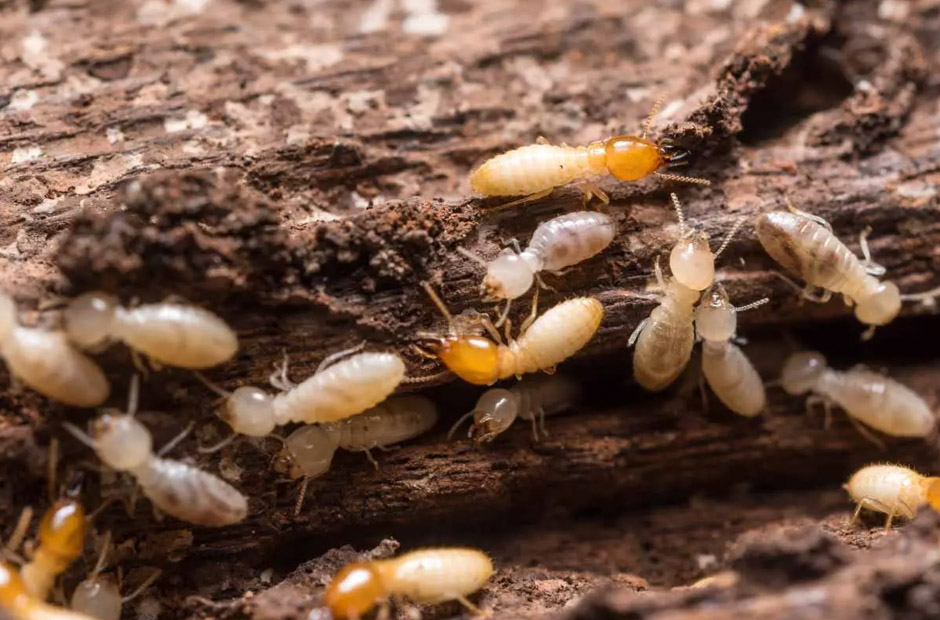
Termites might be tiny, but the damage they can cause to your home is anything but small. These wood-munching insects often work silently and out of sight, which means many homeowners only discover an infestation once significant damage has already been done. The good news is that termites often leave subtle clues that, if caught early, can save you a lot of money, stress, and heartache. Here’s what to watch for and why it’s so important to act quickly with a termite control Leesburg company you can trust.
1. Mud Tubes on Walls or Foundations
One of the most common signs of termite activity is the presence of mud tubes. Termites build these tiny tunnels to protect themselves as they travel between their colony and your home’s wood structures. These tubes are often about the width of a pencil and can appear on foundation walls, crawl spaces, or even along the exterior walls of your home.
If you spot mud tubes, it’s a major red flag. Even a small tube can indicate a thriving colony nearby. Don’t try to remove them without professional guidance; disturbing the tubes can cause the termites to scatter and make treatment more difficult.
2. Hollow or Damaged Wood
Termites feed on cellulose, which means they love wood. If your home has wooden beams, floors, or furniture, it’s essential to inspect for hollow spots or wood that sounds hollow when tapped.
A simple test is to tap the wood with a screwdriver or small hammer. If it sounds hollow or crumbles easily, termites may have eaten away the inside. Unlike rot, which usually appears on the surface, termite damage can be hidden within the wood, so don’t ignore any suspicious hollow areas.
3. Swarmers or Winged Termites
Seeing a swarm of winged insects inside your home is one of the most obvious termite warnings. These “swarmers” are reproductive termites searching for a new place to start a colony. They often appear near windows, doors, or light sources during the spring or early summer.
If you notice discarded wings on window sills or floors, it could indicate that a colony has already established itself inside your home. Catching them at this stage can prevent extensive damage, but you’ll likely need a professional inspection to locate the nest.
4. Cracked or Bubbling Paint
While termites don’t eat paint, they can cause damage underneath it that results in cracking or bubbling. Bubbling paint, especially near wooden surfaces or areas with higher moisture, can be a subtle sign of termite activity.
If you notice peeling, blistering, or cracked paint, especially along baseboards or door frames, it’s worth investigating further. Moisture and termites often go hand in hand, so areas with water damage are particularly vulnerable.
5. Tiny Holes in Wood or Drywall
Termites can leave small, pin-sized holes in wood or drywall as they enter or exit a surface. These holes are usually uniform in size and may have small piles of sawdust-like material nearby, called frass.
Frass looks like tiny wood-colored pellets and is a hallmark of drywood termite activity. If you notice these tiny piles around windows, doors, or wooden furniture, it’s time to act. Even a few holes can indicate a much larger problem inside the walls.
6. Sagging or Uneven Floors
Over time, termite damage can affect your home’s structural integrity. Sagging or uneven floors, particularly in areas where wood is exposed to moisture, can be a sign that termites are quietly eating away at the support beams.
While sagging floors can also be caused by water damage, combining this with other termite indicators like mud tubes or hollow wood makes it a clear warning that professional inspection is necessary. Ignoring structural damage can result in costly repairs or even safety hazards.
7. Musty or Unusual Odors
Believe it or not, termites can sometimes be detected by smell. A musty, earthy odor in areas where termites are active can indicate a large infestation. This smell comes from the chemicals termites produce to communicate, and from the decaying wood they leave behind.
If you notice a persistent, unusual odor near wooden structures, particularly in basements or crawl spaces, it’s worth investigating. Termites rarely make noise until the damage is advanced, so using smell as a detection tool can give you an early warning.
8. Loose or Hollow-Sounding Doors and Windows
Termites can compromise the wood around doors and windows, making them feel loose or harder to close. If you suddenly find that your doors stick, don’t swing properly, or feel unusually light when opening, it could be more than just humidity affecting the wood; it might be termites.
Inspect the frames and surrounding areas for any signs of frass, holes, or mud tubes. Catching these early can prevent the infestation from spreading deeper into your home.
9. Frequent Pests or Ant Activity
While ants themselves aren’t termites, seeing a lot of winged ants or carpenter ants could indicate conditions favorable to termites. Carpenter ants, in particular, tunnel through wood, sometimes mimicking termite damage. Paying attention to unusual insect activity around your home can alert you to underlying structural issues or potential termite problems.
Why Early Detection Matters
Termites are notoriously hard to detect until damage becomes severe. The cost of repairs from a full-blown termite infestation can run into thousands of dollars, and untreated colonies can compromise the safety of your home. Regular inspections, both professional and DIY, can help you catch termite activity early.
Even if you only suspect a termite problem, don’t wait. Contact a licensed pest control Ashburn Virginia professional to confirm the presence of termites and discuss pest treatment options. Early intervention can save your home and your wallet.
Preventing Future Infestations
Once you’ve dealt with an active termite problem, it’s important to take steps to prevent future infestations. Here are a few tips:
- Lessen moisture around your home by fixing leaks and ensuring proper drainage.
- Store firewood and lumber away from the foundation.
- Seal cracks in your home’s exterior and foundation.
- Consider a preventative termite treatment from a licensed professional.
Taking proactive measures combined with vigilance can help keep your home termite-free for years to come.
Termites may be silent invaders, but they rarely leave without a trace. By knowing the warning signs, mud tubes, hollow wood, swarmers, frass, and other subtle clues, you can detect a problem before it becomes a costly nightmare. Remember, early action is key. When in doubt, bring in a professional and protect your home from these destructive pests.