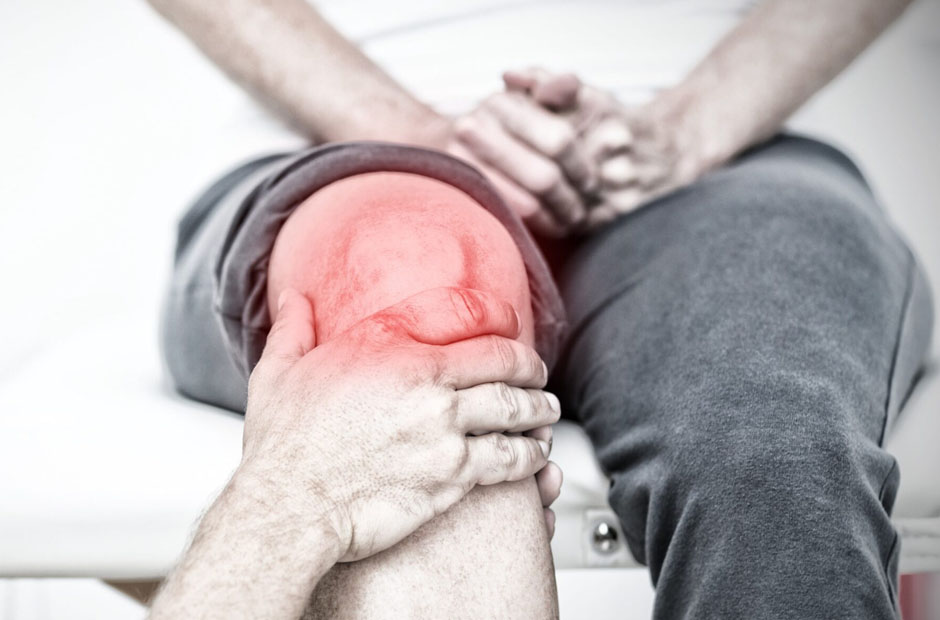
It often starts subtly. A twinge when standing up too quickly. A small crack or pop when climbing the stairs. Many people dismiss these signs as simple fatigue or aging. Yet, these small discomforts might be the body’s quiet way of signaling that something deeper needs attention, such as the cartilage in the knee.
Cartilage is the smooth tissue that cushions the bones, allowing movement that is easy and pain free. When it becomes worn or damaged, everyday activities can slowly feel more difficult. Standing from a chair, walking for long distances, or even kneeling to pick something up may come with stiffness or discomfort.
Recognising these early signs is important because cartilage does not easily heal on its own. Understanding what these symptoms indicate and where they originate is the first step toward making informed decisions about proper care and ACL Knee Reconstruction Surgery.
Understanding the Early Warning Signs
It’s easy to ignore occasional knee pain, but certain patterns in how the knee feels or moves can hint that the cartilage is under strain. Early awareness can help prevent further damage and keep mobility from being limited over time.
Gradual Increase in Stiffness
The first noticeable sign is often morning stiffness. After resting overnight, the knee might feel tight or unsteady for the first few steps of the day. This sensation tends to ease as movement increases, but the stiffness often returns after sitting for long periods. When the cartilage starts thinning, the protective layer between bones becomes less effective, causing gentle friction that the body experiences as stiffness or a dull, pulling sensation. Over time, this pattern of stiffness becomes harder to ignore.
Occasional Clicking or Cracking
A clicking or cracking sound in the knee can be startling, but not all noises are a cause for alarm. However, when these sounds are paired with discomfort or mild pain, it could mean that cartilage surfaces are uneven. Small fragments of damaged cartilage can interfere with smooth movement, creating friction that the ear translates as a sound. These sounds tend to occur more often when squatting or climbing stairs, activities that put extra pressure on the joint.
Subtle Swelling or Warmth
Another early clue is mild swelling that seems to appear after physical activity and then fades away. This occurs because damaged cartilage can trigger inflammation as the body tries to protect and repair the joint. When the knee feels slightly warm to the touch or appears puffier than usual, it’s often a signal that something beyond simple muscle tiredness is happening. Persistent swelling after even low intensity activity deserves closer attention.
The Impact of Wear and Everyday Habits
Damage to cartilage isn’t limited to athletes or those with injuries. Everyday habits and gradual changes in the body contribute more than most people realize. How a person moves, sits, or even stands over time all affect the health of the knee joint.
Repetitive Movement and Strain
Repetitive strain, especially from work or exercise, can gradually damage cartilage. Jobs that require constant kneeling, squatting, or lifting heavy objects put extra pressure on the knee’s cushioning surface. Similarly, runners or sports enthusiasts who push through pain may unknowingly accelerate cartilage wear. When cartilage becomes thinner, the joint’s range of motion can feel limited, leading to more strain with each step. Taking breaks, adjusting how you move, and wearing the right shoes can help reduce unnecessary pressure and give joints a chance to recover.
The Role of Weight and Alignment
Body weight and posture directly influence how forces travel through the knees. Even a small imbalance can lead to uneven wear on the cartilage. If one leg bears more load, the joint on that side works harder, and cartilage can deteriorate faster. Over time, poor alignment or excess weight shifts how the bones meet, making the joint lose its smooth movement. Maintaining healthy body weight and practicing gentle, joint supporting exercises can reduce stress and preserve long term knee function.
Subtle Pain Patterns and Emotional Awareness
Pain is the most obvious signal, but its pattern reveals much about what’s happening to the cartilage. Noticing these details helps distinguish temporary soreness from early damage that might need professional evaluation.
Deep, Aching Sensation
Unlike sharp pain from a sudden injury, cartilage damage often brings a deep, aching pain inside the joint. Some describe it as pressure from the inside that gets worse after standing or walking for a long time. This ache signals that bones are beginning to rub more directly against each other, especially during bearing weight. It’s the body’s way of saying the cushioning area is losing its smoothness.
Pain After Rest or Inactivity
Another common sign is pain that appears after long periods of rest. The knee might feel stiff and sore after sitting for a movie or a long car ride, improving only after a few minutes of movement. This delayed stiffness happens because the joint fluid that nourishes cartilage relies on motion to circulate. Without it, the cartilage receives less support, leading to temporary but telling discomfort.
Emotional Impact and Mindful Awareness
Knee discomfort can slowly affect daily confidence and mood. When simple tasks, such as running errands, walking up stairs, or joining social activities, start to cause worry or hesitation, it can create frustration or even subtle anxiety. Noticing these feelings is important. Paying closer attention to emotional and physical responses helps a person decide when to get help and take steps to protect the knee.
Taking Small Steps Toward Relief
Discovering early signs of knee cartilage damage doesn’t always mean facing surgery or losing mobility. In many cases, early intervention and mindful habits can make a significant difference. Engaging in low impact exercises such as swimming or cycling helps maintain joint movement without adding stress. Stretching before and after activities supports flexibility and reduces stiffness. Simple adjustments to daily routines, posture, or footwear can also help prevent more damage.
Professional consultation plays a key role. A healthcare provider can guide diagnostic tests or recommend exercise plans that nourish cartilage nourishment and encourage joint stability. While cartilage itself may not fully grow back, consistent care, moderate activity, and timely attention can slow damage and keep quality of life high.
Learning to listen to the body’s subtle cues allows intervention before serious pain sets in. The knee is resilient but not invincible, and recognizing these early signs can protect long term mobility. Taking small, proactive steps today ensures that movement, whether it is a gentle walk or a favorite weekend hike, remains comfortable for years to come.