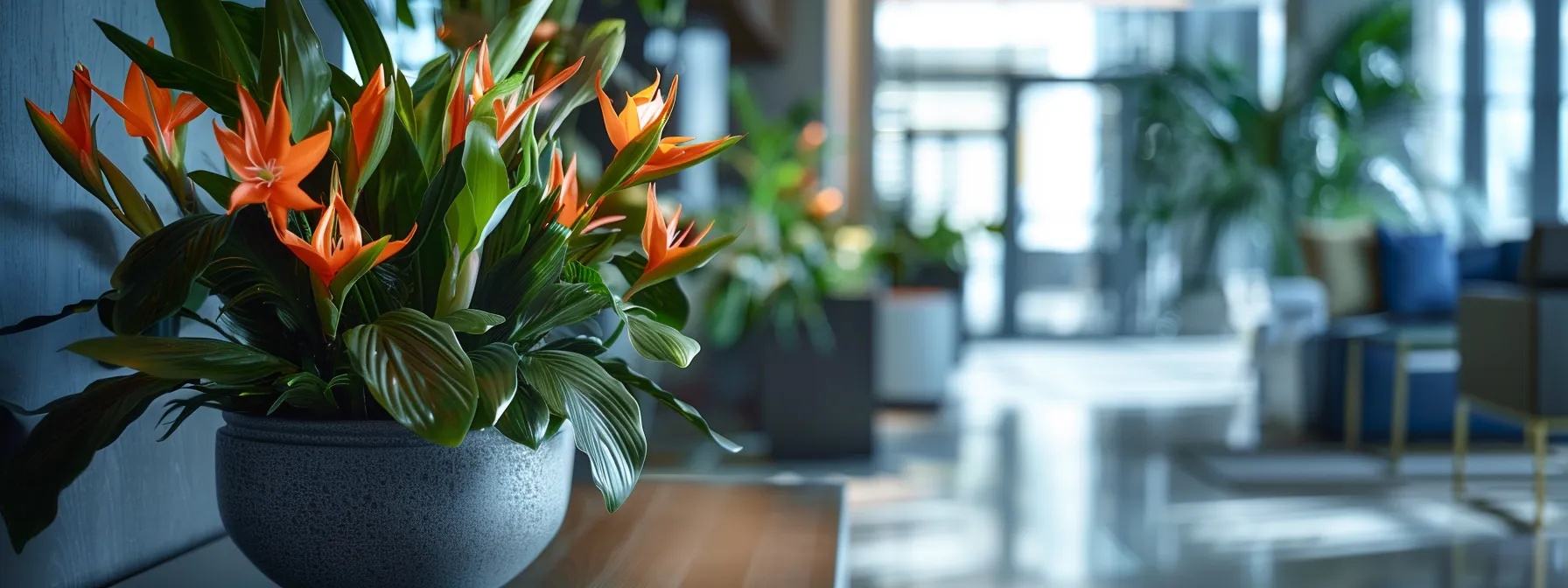
For many who love the beauty of flowers but struggle with allergies, the decision between real and silk flowers can be more than a mere aesthetic choice. Allergens in natural flowers can trigger uncomfortable symptoms, making silk flowers a potentially better option for some individuals.
Understanding the differences in allergen content and how it impacts individuals with sensitivities is critical. Below, we delve into the nuances of both options to help those with allergies make an informed decision for their floral displays.
Silk Flowers vs. Real Flowers: An Allergy Sufferer’s Dilemma
When considering silk versus real flowers from an allergy standpoint, silk flowers emerge as a clear frontrunner. Since they are synthetic, they do not release pollen, a common allergen that causes reactions in many people. Silk flowers offer the beauty of floral arrangements without the associated sneezing, itchy eyes, and runny nose.
Real flowers, on the other hand, can be a significant source of pollen, which is the primary concern for individuals with allergies. During blooming seasons, the levels of pollen in the environment rise, increasing the risk of allergy flare-ups. Real flowers indoors can continue to affect air quality and aggravate symptoms.
For those with allergies, opting for silk flowers can allow the enjoyment of vibrant colors and shapes with peace of mind. However, it is important to keep silk flowers clean, as they can accumulate dust and mold, which are also potential allergens.
Analyzing Allergen Presence in Natural Flowers
Natural flowers can produce and disseminate various allergens, primarily pollen, which can affect people with sensitivities. Not all real flowers have the same allergen risk; for instance, some flowers, like roses, have lower pollen counts compared to others, making them a better choice for allergy sufferers.
Additionally, the type of flower can also affect the allergy potential. Flowers with bright petals are designed to attract insects rather than rely on wind to spread their pollen; hence, they tend to produce less airborne pollen. Conversely, flowers that propagate via the wind are often more troublesome for allergy sufferers. A flower’s bloom time also plays a role; for example, spring-blooming plants may influence allergies differently than those blooming in the fall.
For those who prefer real flowers but want to reduce allergy risks, choosing hypoallergenic varieties or keeping the flowers outside living spaces could be helpful. Conducting research or consulting with an expert can lead to selections with minimal allergy impact.
The Allergy-Friendly Appeal of Silk Flowers
Silk flowers are touted for their low allergenic potential, making them an excellent choice for indoor environments such as homes and offices where pollen can be problematic for allergy sufferers. Without any biological material to shed, these faux flowers can adorn a room while keeping the air clear of the common irritants associated with their natural counterparts.
However, silk flowers can gather dust, and some cheaper varieties may off-gas volatile organic compounds (VOCs), potentially causing irritation. Investing in high-quality silk flowers can mitigate these issues, and regular cleaning can prevent dust accumulation, thus maintaining their hypoallergenic qualities.
For allergy sufferers seeking the safest option, silk flowers made from high-quality, non-toxic materials and maintained with regular dusting may provide the optimal balance between beauty and health considerations. They allow for versatile, long-lasting decor without exacerbating allergies.

Making the Choice: Allergy Considerations for Flower Enthusiasts
Choosing between silk and real flowers often boils down to personal allergies and the severity of symptoms. While silk flowers eliminate the risk of pollen-induced reactions, they may not satisfy the sensory experience many flower enthusiasts seek from real blooms, such as scent and the feeling of life they bring to a space.
It is also worth considering the environmental aspect of both choices. While real flowers are biodegradable and can be composted, silk flowers, though long-lasting, eventually contribute to landfill waste if not recycled properly. Additionally, allergy sufferers who opt for real flowers might prefer less allergenic options and implement strategies to reduce exposure, such as keeping them outdoors or in well-ventilated areas.
By understanding the specific allergy triggers and balancing the desire for authentic flora with practical health concerns, individuals can curate indoor gardens that soothe rather than irritate. Regular cleaning, careful selection, and strategic placement are key factors in creating a harmonious atmosphere for those with allergies.
Overall, the decision between silk and real flowers is a personal one shaped by individual allergy sensitivities, environmental consciousness, and preferences for authenticity. Considering the low allergen risk with silk flowers and the natural charm of real ones, a tailored approach based on one’s lifestyle and health requirements is advised. With intentional choices and proper management, flower enthusiasts with allergies can enjoy the beauty of blooms without compromising their comfort and well-being.