Keeping valuable items safe has always been a concern for people, regardless of time or place. Documents that prove ownership, items passed down through family, and things with strong personal meaning often cannot be replaced if lost or damaged. While homes may feel like the safest place, they are not always built to protect against theft, fire, or unexpected events. This is where safety deposit boxes continue to play an important role. They offer a simple and trusted way to store important belongings outside the home, in a setting designed specifically for security and care.
Safety deposit boxes are usually found in banks or private vault facilities. They are built to protect items that matter, both financially and emotionally. Even as the world becomes more digital, the need for a secure physical space has not disappeared. In many cases, it has become even more important.
The Early Roots of Secure Storage
The idea of protecting valuable items is not new. Long before modern banks existed, people looked for ways to hide and protect what they owned. In ancient times, valuables were often buried, hidden in walls, or placed in locked wooden or clay containers. These methods were simple, but they showed a clear understanding that certain items needed extra care.
As societies grew and trade expanded, people began to accumulate more personal property. This created a stronger need for shared spaces where valuables could be protected more effectively. When banks became common, they naturally became places people trusted. Over time, banks began offering locked boxes inside reinforced vaults, giving customers a safer option than keeping everything at home.
In places like the United Kingdom, safety deposit boxes became more common as personal wealth increased and cities expanded. With more people living close together, the risk of theft grew, making secure storage more appealing. As technology improved, so did the design of vaults, locks, and monitoring systems.
How Safety Deposit Boxes Are Used Today
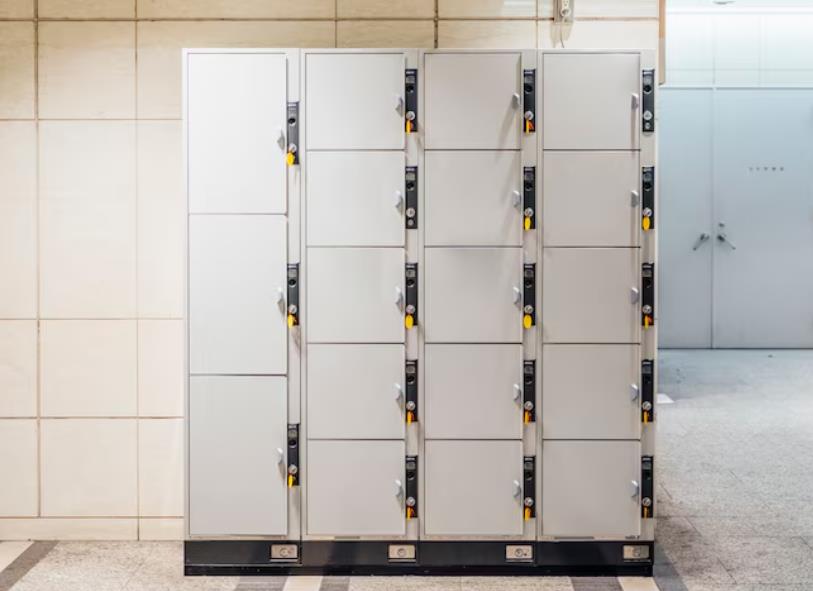
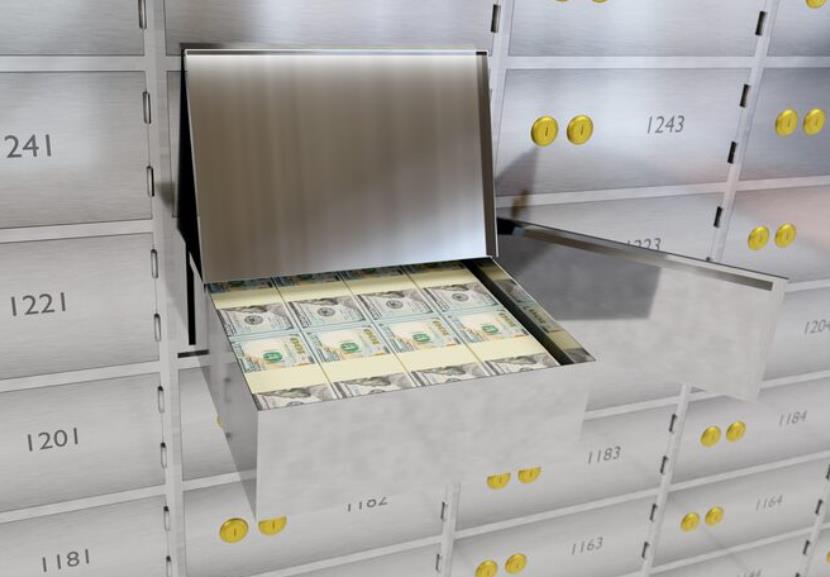
Modern safety deposit boxes are rented, not owned. Customers choose a box size based on what they plan to store and pay a yearly or monthly fee. The box itself is kept inside a highly secured vault, often underground or behind multiple layers of protection.
Access is tightly controlled. In many traditional setups, the customer holds one key while the institution holds another. Both are needed to open the box, which means neither party can access it alone. This shared control helps prevent misuse and adds an extra layer of trust. In newer facilities, physical keys may be replaced or supported by digital access, fingerprint scans, or other identity checks.
People commonly use safety deposit boxes to store legal papers, property documents, family jewellery, collectibles, and items that would be difficult or impossible to replace. The goal is not convenience but protection. These boxes are meant for items that do not need daily access but must be kept safe over time.
Why Many People Still Rely on Safety Deposit Boxes
One of the main reasons people choose safety deposit boxes is the level of protection they provide. Banks and private vaults are built to handle risks that homes cannot always manage. Thick walls, controlled entry points, alarms, and constant monitoring all work together to reduce the chance of loss.
Another important benefit is peace of mind. Knowing that important items are stored in a secure place allows people to worry less about unexpected events. Fires, floods, and break-ins can happen without warning, and having valuables stored elsewhere can reduce stress during difficult times.
Privacy is also a key reason people continue to use safety deposit boxes. Institutions do not track or record what is placed inside the box. Only the owner knows the contents, which allows sensitive documents or personal items to remain confidential. This level of privacy can be difficult to achieve at home, especially in shared living spaces.
Using a safety deposit box can also help keep life organised. Important documents are easier to manage when they are stored in one secure place. Instead of being scattered across drawers or folders at home, everything is kept together, protected, and easy to locate when needed.
Limits and Things to Think About Before Renting
While safety deposit boxes offer strong protection, they are not perfect for every situation. One important factor to consider is access. Boxes can usually only be accessed during business hours. This means that if an item is needed urgently outside of those hours, it may not be possible to retrieve it right away.
Another point to consider is what happens if the box holder passes away. Access rules can become more complex, and family members may need legal documents before they are allowed to open the box. Planning and making sure instructions are clear can help reduce confusion during emotional times.
Insurance is another area that often causes misunderstanding. Most safety deposit boxes do not automatically insure their contents. While the vault itself is secure, the responsibility for ensuring the items usually belongs to the customer. Some people choose to add coverage through their existing insurance plans or purchase separate protection for high-value items.
Cost is also part of the decision. Fees vary depending on the size of the box and the provider. Smaller boxes are generally affordable, but larger boxes or premium locations can cost more. It is important to balance the value of the items being stored with the ongoing rental cost.
Finding a Safety Deposit Box That Fits Your Needs
Choosing the right safety deposit box starts with understanding what you plan to store. Documents and small items may only require a compact box, while larger collections may need more space. Picking the right size helps avoid paying more than necessary.
The reputation of the provider also matters. Banks with a long history and well-maintained facilities often offer a sense of reliability. Private vault companies can also be a good option, especially for those looking for extended access hours or more flexible services.
Location plays a role as well. A nearby facility makes access easier, especially if you expect to visit the box more than once a year. However, some people prefer a location farther from home for added security, especially if they are concerned about local risks.
Reading the rental agreement carefully is important. Understanding the access rules, payment terms, and responsibilities can help avoid surprises later. A good provider will be clear about how their system works and what is expected from the customer.
How Safety Deposit Boxes Are Adapting Over Time
Even though the basic idea of safety deposit boxes has stayed the same, the way they operate continues to change. Technology has introduced new ways to control access and monitor activity. Digital records, advanced locking systems, and improved surveillance all contribute to stronger security.
Some facilities now offer features designed to improve the customer experience. This includes faster access processes, extended hours, and more private viewing rooms. These updates aim to make safety deposit boxes feel less outdated and more aligned with modern expectations.
At the same time, competition has increased. Traditional banks are no longer the only option. Private companies focused solely on secure storage are entering the market, offering alternatives that appeal to different needs. This has encouraged improvements across the industry, benefiting customers overall.
Despite the growth of digital storage and online records, physical items still hold value. Paper documents, original certificates, and personal items cannot always be replaced with digital copies. Safety deposit boxes continue to serve a purpose that digital solutions cannot fully replace.
A Lasting Role in Personal Security
Safety deposit boxes have remained relevant because they address a basic human concern: the need to protect what matters. While the world around them has changed, their core purpose has not. They provide a reliable way to store important belongings away from everyday risks.
For many people, using a safety deposit box is not about fear but about planning. It is a practical step that shows care for the future and respect for the value of personal items. Whether used for legal papers, family treasures, or rare possessions, these boxes continue to offer a quiet sense of security.
In a time when uncertainty feels common, having a dependable place for valuable items can make a real difference. Safety deposit boxes remain a simple, proven option for those who want to protect their belongings with confidence and care.