Keep your home safe with electrical safety checks and avoid disasters.
Electricity. It makes life easier in so many ways. But it’s also one of the leading dangers that homeowners face.
Did you know most people don’t think about the wiring in their homes until something goes wrong?
And by then…
It might be too late.
The Electrical Safety Foundation estimates that home electrical fires account for roughly 51,000 fires each year. That’s nearly 500 deaths and over $1.3 billion in property damage.
But you have the power to prevent those statistics from affecting your home.
Regular safety checks and professional inspections can help ensure your home is safe from electrical disasters.
Let’s dive into the electrical safety checks every homeowner should do.
What’s inside:
- Why Electrical Safety Should Be Your Priority
- Warning Signs Of Electrical Problems
- Essential Safety Checks Every Homeowner Needs
- When You Should Call The Professionals
Why Electrical Safety Should Be Your Priority
Here’s the thing…
Electrical problems can develop over time without you even knowing. They lurk behind walls and under the covers of your outlets waiting to strike.
And since you don’t regularly look inside your walls, you might not notice there’s a problem until it’s too late.
As CelebrityElectric.com points out, homes that were built before 1980 are particularly susceptible to electrical fires. Older electrical systems aren’t designed to handle the demands that most households have on them today.
We plug in so many more devices and appliances nowadays than we did 30 or 40 years ago.
That’s why it’s important to find a qualified electrician as soon as you notice something doesn’t look right. Having trusted electricians in your area come to your home means it’ll be properly inspected by professionals who know what to look for.
(Bonus: doing electrical repairs yourself is also dangerous.)
Electrical safety checks can save lives. Literally.
Warning Signs Of Electrical Problems
Before we jump into electrical safety checks, it’s important to understand some of the warning signs that your home has electrical problems.
While not all electrical problems will show up on this list, these are some of the most common signs:
- Flickering or dimming lights that occur for no apparent reason
- Burning smells coming from your outlets, switches, or appliances
- Warm or discoloured outlets
- Circuit breakers that trip frequently or fuses that blow
- Buzzing or crackling sounds from outlets or switches
- Electric shocks after touching appliances or outlets
If your home is exhibiting any of these symptoms, don’t ignore them. Pay attention. Take action.
Essential Safety Checks Every Homeowner Needs
Alright! Now it’s time to look at the electrical safety checks every homeowner needs to complete.
Check Your Electrical Panel
The heart of your home’s electrical system is the electrical panel. It distributes power throughout your house.
Grab a flashlight and start by inspecting your electrical panel for any damage. Are there burn marks? Rust? Do you smell something strange?
These are indications of problems that will need the attention of a professional electrician.
You should also make note of your panel’s age. If your electrical panel is more than 30 years old, it’s time to start shopping for an upgrade.
Components inside the panel deteriorate with time. Many older panels can’t keep up with the electrical demands of modern households.
Test Your Smoke Detectors
This should go without saying, but smoke detectors save lives.
Test your smoke detectors at least once a month to make sure they’re working properly.
When you press the test button, you should hear a loud beep. If not, replace the batteries. (Swap out smoke detector batteries at least once a year.)
Smoke detectors don’t last forever, either. You should replace them every 10 years.
Make sure you have working smoke detectors on every level of your home.
Inspect All Outlets And Switches
Grab a notepad and walk through your home inspecting each outlet and light switch.
Take note of:
- Cracks or damage on the faceplates
- Discolouration or scorch marks
- Loose fittings
- Two-prong outlets that should be upgraded to three-prong
All outlets in your bathrooms and kitchen should be GFCI outlets. (GFCI stands for Ground Fault Circuit Interrupter.)
These special outlets have “test” and “reset” buttons on them. They prevent electrical shocks in areas that tend to get wet.
If you have any outlets in your wet areas that aren’t GFCI outlets, hire professional electricians to get that fixed.
Look At Extension Cords And Power Strips
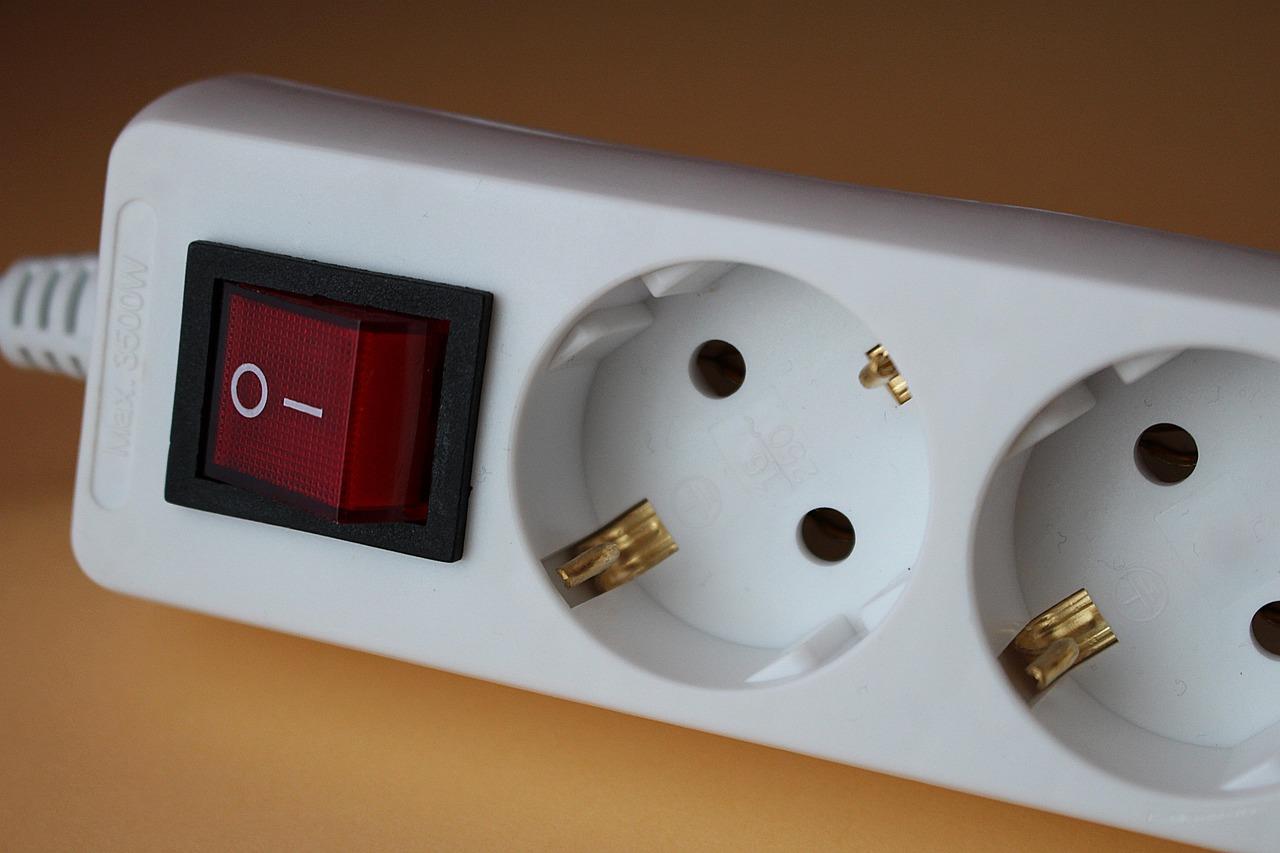
Extension cords are a temporary solution. Not permanent.
Inspect all of the extension cords in your home for damage. Frayed wires, exposed wires, and cracks are glaring signs that you need to replace that cord.
Also, make sure you aren’t running extension cords underneath rugs or carpets. Heat can build up underneath the fabric and destroy your extension cord.
Speaking of destruction…
Don’t connect multiple power strips together. That’s just asking for a fire.
Check Your Wiring
Knob and tube wiring was around before your grandparents were young. Though it was popular in the late 1800s and early 1900s, it’s now considered dangerous and a fire hazard.
Homes built in the 1960s and 1970s might have aluminium wiring. Aluminium increases fire risks and should be replaced with copper wiring.
Only a professional inspection will know for sure what kind of wiring your home has. If your home is older than 1960, have electricians in your area come inspect it.
Check Outdoor Electrical Components
Believe it or not, but outside of your home needs electrical safety checks too.
All outlets outside should have weatherproof covers on them. Ensure outside light fixtures are sealed tightly and don’t have moisture inside.
Lastly, take a look at your service entrance. That’s where the power line comes into your home. Make sure there are no visible signs of damage.
When To Call The Professionals
Don’t try to do electrical work yourself.
Sure, there are basic electrical safety checks you can do. And homeowners can swap out light bulbs or reset breaker switches.
But when it comes to your home’s wiring and electrical components, hire a professional.
The NFPA reports that electrical failures or malfunctions caused 13% of home fires.
Do you know what else caused those fires? DIY repairs and attempts.
If you experience any of the following, call a professional:
- See any of the warning signs above
- Your circuit breakers trip repeatedly
- Outlets stop working or appear damaged
- You’re completing home renovations
- You need to install a new appliance
The NFPA recommends having your electrical system inspected every three to five years. If your home is over 25 years old, have it inspected every two to three years.
Trust me. The cost of an inspection is pennies compared to the cost of a house fire.
Wrapping Up
Electrical safety should be every homeowner’s priority.
Did you know 51,000 home electrical fires occur each year?
Don’t be part of that statistic. Not when you can easily prevent electrical fires and accidents in your own home.
Remember:
- Know the warning signs of electrical problems
- Perform electrical safety checks around your house
- Test smoke detectors monthly
- Replace smoke detectors every 10 years
- Hire professionals for any electrical work
You love your home. Protect it like you do.