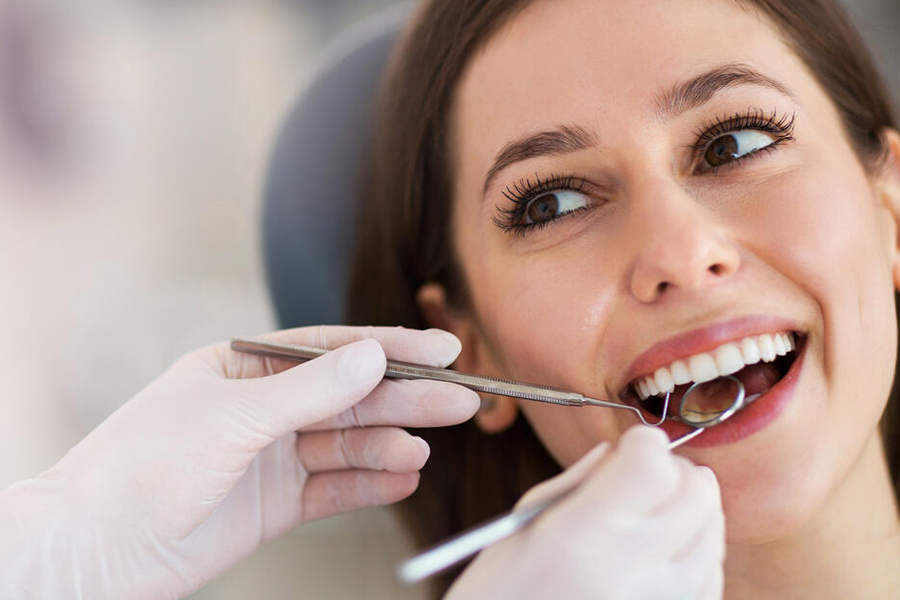
Choosing a dentist in a new country can feel uncertain because the system, titles, and pricing norms may be different from what you’re used to. In Spain, dentistry is a regulated health profession with specific credentialing, clinic licensing requirements, and patient-rights rules that can help you make a safe, confident decision—if you know what to look for. If you’re searching along the Costa del Sol and want a starting point, you can visit Dentist Marbella.
This guide explains how to choose a dentist in Spain: credentials, regulations, and red flags to know, using simple language but deep, practical detail. The goal is not just to “find a dentist,” but to choose a clinic that is clinically sound, transparent, and trustworthy for the long term.
How to Choose a Dentist in Spain: start with the type of care you actually need
Before comparing clinics, get clear on what you need right now and what you may need later. Spanish clinics range from small general practices to multi-specialty centers with advanced imaging, surgery, orthodontics, and cosmetic dentistry under one roof. The “best” choice depends heavily on your case: a routine check-up is different from a full-mouth rehabilitation or implant plan. A quick self-assessment saves money and prevents you from being over-treated or under-treated.
Common patient goals (and what to look for):
- Routine prevention (check-up/cleaning): strong hygiene program, gum screening, clear home-care guidance
- Pain/toothache: same- or next-day urgent slots, proper diagnostics (X-rays), clear plan options
- Cosmetic improvements (whitening/veneers): conservative planning, shade/bite analysis, realistic expectations
- Implants: 3D planning availability, surgical experience, transparent staging and aftercare
- Orthodontics (aligners/braces): documented treatment plan, refinement policy, retention plan after finishing
A reliable rule: the more complex and expensive the care, the more you should prioritize diagnostics, documentation, and communication over marketing.
Credentials to check when choosing a dentist in Spain (and what they mean)
Dentist titles in Spain: “Odontólogo” and what you may see on signage
In Spain, you’ll typically see the title Odontólogo/Odontóloga for a licensed dentist. You may also encounter the older title Estomatólogo (a historic pathway that predates the current dentistry degree). Both can practice dentistry, but what matters most is that the clinician is properly registered and works within their competence.
What patients often miss is that “specialty” in everyday advertising can be informal. Some dentists complete extensive postgraduate training (such as master’s programs) in areas like implants, endodontics (root canals), orthodontics, or periodontics (gums). Ask what training they have and how often they perform the procedure you need—volume and repetition matter in clinical outcomes.
The key credential: registration with the professional dental association
A major safety check is whether the dentist is registered with a provincial professional dental association (often referred to as the “Colegio”). Registered clinicians typically have a membership/registration number (often called a “número de colegiado”). Clinics used to treating international patients will usually provide this without hesitation if you ask.
What to request (politely and directly):
- Dentist’s full name and professional registration number
- Who will perform each part of your treatment (general dentist vs clinician focused on surgery/endo/ortho)
- If a hygienist is involved, confirm they are a qualified dental hygienist (not an unlicensed assistant doing hygiene-only work)
Practical fact: For complex care, it’s normal (and often safer) for the clinic to involve multiple clinicians. What you want is clarity about roles and accountability.
Continuing education and modern competence signals
Because dentistry evolves quickly, you’re not only checking if someone is “allowed” to practice—you’re checking whether their practice is up to date. Useful competence signals include:
- Clear use of diagnostic imaging before irreversible work (fillings, crowns, implants)
- Written documentation (photos/scans) to explain findings and outcomes
- A conservative mindset: preserving enamel/tooth structure when possible
- A willingness to discuss alternatives (including doing nothing yet, when appropriate)
A simple, telling question is: “What are my options, and what are the risks of each?” A dentist who answers calmly and specifically is usually a safer bet than one who oversimplifies.
Regulations and patient rights: what Spanish dental clinics should do as standard
Understanding the regulatory “baseline” helps you spot good practice. While the details can vary by region and clinic, reputable Spanish dental clinics generally follow consistent standards around consent, documentation, and safety.
Informed consent and written treatment plans
For many procedures—especially implants, extractions, endodontics, orthodontics, and cosmetic work—you should expect:
- A clear explanation of diagnosis and options
- Informed consent before treatment
- A written treatment plan and budget/estimate for significant work
If you feel rushed, remember a useful principle for healthcare decisions:
“If it isn’t written, it isn’t promised.” A clinic that documents well is easier to trust—and easier to hold accountable if something needs correction.
Clinic authorization and basic compliance signals
Legitimate clinics are typically registered as healthcare centers and should present a professional environment that reflects clinical standards, not just aesthetics. While you don’t need to audit their back office, you can look for obvious signals:
- Clean, organized treatment rooms and protected instrument handling
- Staff using appropriate gloves/masks and changing them correctly
- A consistent process for medical history updates and allergy checks
- Proper radiography safety processes when X-rays are taken
Data privacy and access to your records
Clinics should handle your personal and medical data responsibly and should be able to provide:
- Copies of X-rays, scans, and clinical notes on request
- Itemized invoices/receipts for treatment performed
- Clear post-treatment instructions and follow-up scheduling
This matters especially if you move cities, travel often, or want a second opinion.
How to choose a dentist in Spain by evaluating the first visit (what to watch and ask)
The first appointment is your best “test drive.” You’re not only judging the dentist’s friendliness—you’re checking whether the clinic uses a reliable clinical process.
What a high-quality first visit often includes
A thorough first visit typically involves:
- Discussion of your main concern and medical history
- Oral exam of teeth, gums, and bite
- Appropriate X-rays (not excessive, but sufficient for diagnosis)
- Explanation using visuals (intraoral photos or mirror demonstrations)
- A phased plan: what’s urgent, what’s optional, and what can wait
A strong sign: the dentist explains priorities. For example: treat pain/infection first, stabilize decay second, then cosmetic or elective improvements.
Questions that quickly reveal quality
Bring these questions (and note how clearly they’re answered):
Clinical clarity
- What is the diagnosis, and how sure are you?
- What are the options and trade-offs (cost, durability, invasiveness)?
- What happens if I delay treatment 3–6 months?
Materials and technique
- Which materials do you recommend (composite, ceramic, zirconia) and why?
- For crowns/implants, who makes the lab work and how is fit verified?
- For root canals, what isolation and disinfection steps are used?
Safety and aftercare
- What are the expected side effects (sensitivity, swelling) and warning signs?
- How do you handle emergencies after treatment?
- What follow-ups are included?
If answers are vague, defensive, or inconsistent, that’s information—use it.
Red flags to know: warning signs when choosing a dentist in Spain
Not every red flag is proof of poor care, but multiple red flags together should make you pause. Dentistry involves irreversible procedures, so your threshold for “uncertainty” should be low.
High-risk red flags (take these seriously)
- No written plan or unclear pricing for major treatments
- Pressure to decide immediately (“today-only” deals for implants/veneers)
- Minimal diagnostics before big procedures (no X-rays/scan when clearly needed)
- Dismissing your questions or refusing to explain alternatives
- Promises that sound absolute (e.g., “zero pain,” “guaranteed perfect result”)
Practical red flags you can spot quickly
- Rushed appointments with little examination time
- Frequent changes in the plan without clear reasons
- Confusing roles (you don’t know who is treating you or why)
- Poor post-op guidance (“Call if it hurts” with no specifics)
Price-related red flags (how to interpret discounts)
Spain can be competitively priced, but extreme bargains can sometimes mean corners are being cut—either in diagnostics, materials, lab quality, time per appointment, or follow-up care. Healthy clinics can offer promotions, but they should still provide:
- Clear itemization (what’s included/excluded)
- Clear explanation of materials and timelines
- Clear aftercare and warranty approach
Checklist: how to choose a dentist in Spain with confidence
Before you book
- Define your main goal (pain relief, prevention, cosmetic, implants, ortho)
- Ask whether they can provide care in your preferred language (if needed)
- Confirm they provide written estimates for major work
During the visit
- Ask for diagnosis + options + risks in simple terms
- Request written plan if treatment is complex or expensive
- Confirm who performs each procedure
After the visit
- Review whether you understood the plan without “sales pressure”
- Check that pricing and steps match what was explained
- Notice whether follow-ups and aftercare were clearly defined
Data point worth remembering: In dentistry, outcomes are strongly linked to planning and execution consistency—good clinics tend to be systematic, not improvised.
Final thoughts: the safest way to choose a dentist in Spain
If you remember one idea from this guide on how to choose a dentist in Spain: credentials, regulations, and red flags to know, make it this: choose the clinic that is most transparent when nothing is going wrong. The best dentists don’t rely on persuasion—they rely on clear diagnostics, documented plans, informed consent, and predictable follow-up. When those fundamentals are in place, price becomes easier to interpret, and long-term trust becomes much easier to build.