The Return of Iconic Silhouettes
Fashion cycles like tides. Whatever was in the back of closets returns, updated. Once smelling like stadium bleachers, a two-tone varsity jacket now goes with fitted denim and elegant sneakers. Stacks of flared trousers over thick soles replace basement party bell-bottoms. Familiar shapes gain edges. Recognition with surprise, like hearing a favorite song sampled in a modern tune.
The market thrives on this rhythm. Classic garments carry cultural memory, which eases their path back into wardrobes. Yet they rarely reappear untouched. Fabrications change. Fits shift. Hardware updates. Designers translate nostalgia into pieces that speak the language of the current moment. This alchemy keeps the past alive without feeling like a costume.
Why Heritage Keeps Its Grip
Classics endure because they hold archetypal shapes and functions. A trench coat shelters, a denim jacket moves with you, a slip dress skims the body without fuss. These essentials satisfy perennial needs while accommodating trend cycles. When a decade resurges in mood boards and racks, it often starts with one of these anchors. The 90s, for instance, returns in pared-back cuts, casual tailoring, and robust suiting, all filtered through contemporary fit preferences and textile innovation.
Generations meet in these revivals. Millennials see a mirror of former selves. Gen Z finds a toolbox for self-definition. The interplay of memory and discovery creates a lively market, one that feels both secure and freshly charged.
Modernizing the Familiar
Updating a classic is not just an aesthetic exercise. It is engineering. Designers reconsider lines and proportions to meet current tastes and body diversity. They swap stiff cottons for stretch blends, heavyweight wools for technical knits, leather for plant-based alternatives. Zippers move, pocket depths adjust, waistlines climb or drop by a few fingers. Small choices yield big differences in comfort and desirability.
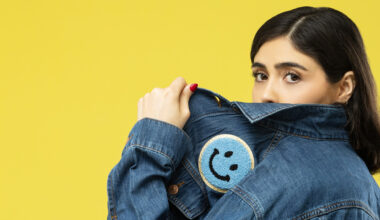
- Varsity jackets keep their stripes but come in oversized cuts, tonal palettes, and recycled wool blends.
- Cargo pants streamline, with slimmer legs and carefully placed pockets that flatter rather than overwhelm.
- Slip dresses gain adjustable straps, bias cuts that skim rather than cling, and linings that prevent transparency in daylight.
These tweaks amount to evolution without erasure. The heritage DNA remains intact.
Marketing With Memory
Reintroducing a classic calls for storytelling. Brands lean into retro motifs to underline lineage, then twist the narrative to signal newness. Archive logos reappear in muted colorways. Campaign imagery nods to grainy film textures and familiar poses. Even typography and soundtrack choices intentionally evoke an era. The strategy is simple: remind shoppers of where a piece belongs in cultural history while showcasing why this iteration belongs in their lives now.
Effective campaigns recognize that nostalgia is not just sentiment. It is shorthand. Audiences instantly get a reference, which reduces the time it takes to fall in love. When marketing teams reprise the energy of original launches and place those echoes in modern contexts, the messaging lands with both warmth and spark.
Iteration That Drives Repeat Buying
A closet rarely needs duplicates of a single item. Brands know this and create reasons to re-engage. Updated fits or functional upgrades transform a familiar piece into a new purchase without undermining the first. A beloved coat may return with a lighter insulation for shoulder seasons. A sneaker reissues with a more durable outsole. A denim cut gets a slightly higher rise. Incremental improvements move a style along a timeline, maintaining loyalty without fatigue.
Credibility matters here. When a label is known for nailing a particular category, say workwear or suiting, consumers trust the revision process. That trust smooths the path to repeat buying, which sustains long-term growth better than chasing short-lived microtrends.
Social Media as Style Amplifier
Platforms compress decades into a swipe. A creator can layer a 70s blazer over an 80s tee with 90s jeans and teach millions to see the interplay in thirty seconds. Runway clips, thrifting hauls, and side-by-side transformations turn history into a live feed. Trends now accelerate and cross-pollinate in real time. The results are eclectic and quick, but not shallow by default. When done well, social media refracts heritage through countless human lenses, producing authenticity that sometimes outpaces traditional campaigns.
Virality favors clarity. A recognizable piece with a clear silhouette photographs well and remains legible in a scroll. That visual stickiness boosts the revival of classics, which often have definitive shapes. Think boxy jackets, A-line skirts, straight-leg jeans. Viewers register the outline instantly, making the look easier to copy and remix.
The Pull of Cinema and Cultural Memory
Fashion cues travel through film and television like threads woven into plot. Iconic ensembles, from school corridors to city streets onscreen, become style references that survive long after credits roll. Contemporary wardrobes pick up those cues. The energy of 80s prep or 90s grunge becomes a shorthand for attitude and community. Stylists and designers often cite these touchstones because they distill an era into wearable ideas.
These references are not replicas. They are translations. Modern cuts and materials make the pieces practical and comfortable for today, but the mood remains intact. The viewer feels the echo, which is the point.
Cross-Generational Appeal
One of the richest outcomes of remixing classics is its ability to bridge age groups. Older shoppers see quality and memory. Younger shoppers see novelty and identity. When the same garment satisfies both meanings, it becomes a commercial and cultural win. A parent shares stories about late-night concerts while their teenager styles the same corduroy jacket with cyber-inspired accessories. The garment becomes a point of conversation and connection.
That bridge also tempers trend fatigue. Fast cycles can make wardrobes feel disposable. Anchoring outfits with heritage items provides stability. The wardrobe becomes a landscape with landmarks rather than a maze without exits.
Craft, Fit, and Function in the Now
Craft matters as much as concept. Revivals that endure prioritize patternmaking and finish. The shoulder seam sits where the wearer actually lives. The hem hangs level after a day in motion. Buttons stay put. When brands honor the mechanics of clothing, the modernized classic becomes a tool rather than a prop. Fit technology, from 3D patterning to expanded size runs, ensures more bodies can enjoy these pieces without compromise.
Function also evolves. Interior pockets appear in blazers to accommodate phones. Hidden elastication improves range of motion in otherwise structured garments. Coatings make fabric weather friendly without losing drape. The refinements justify purchase and extend lifespan.
Sustainability and the Second Life of Style
Reintroducing classics often aligns with more responsible production. Timeless shapes age well, which encourages longer wear. Many brands now produce heritage items with recycled fibers, plant-based dyes, and modular repair options. The circular logic of revivals complements circular design. When customers invest in a silhouette that will cycle back, they are more likely to mend and restyle rather than discard. The fashion loop tightens in a way that serves both the planet and the pocket.
Thrifting and rental models flourish alongside these revivals. Vintage feeds new wardrobes. Rental lets shoppers experience a trend inflection without commitment. Both systems reduce waste while keeping the conversation about classics lively and inclusive.
FAQ
What makes a style a classic rather than a trend?
A classic balances form and function in a way that outlives seasonal shifts. It has a clear silhouette, a practical purpose, and a history of returning to relevance. Trench coats, straight-leg jeans, and loafers qualify because they solve everyday needs and adapt easily to different aesthetics.
How do brands update vintage-inspired pieces without losing authenticity?
They preserve the signature elements, such as silhouette and key details, while refining fit, materials, and construction. Adjustments might include modern fabric blends, improved pocket placement, or contemporary color palettes. The goal is to keep the piece recognizable while ensuring it feels comfortable and current.
Why do revivals often focus on the 70s, 80s, or 90s?
These decades offer strong visual identities that photograph well and resonate across audiences. Each era has distinct shapes and textures that are easy to reinterpret. Social media accelerates their return by making references widely visible and simple to remix into modern wardrobes.
Do updated classics reduce trend fatigue for shoppers?
Yes. Durable shapes anchor a wardrobe and make seasonal changes feel like adjustments rather than overhauls. When a person owns reliable classics, they can layer new colors, accessories, or minor silhouette shifts without replacing everything, which reduces waste and expense.
How does social media influence the success of revived styles?
Social media compresses discovery, education, and purchase into a single flow. Clear, iconic silhouettes perform well on screen and are simple to copy. Creators demonstrate styling versatility quickly, which lowers the barrier to adoption. The feedback loop is fast, and strong responses can propel a revival from niche to mainstream in weeks.
Are modernized classics better quality than the originals?
Quality varies by brand, but many updated versions benefit from advances in patternmaking, material science, and size inclusivity. Some are built with stronger seams, better finishes, and more resilient fabrics. Others may cut corners. Evaluating stitching, fabric weight, hardware, and care instructions remains important.
Can revived styles support more sustainable wardrobes?
They can. Classics invite longer wear and restyling, which reduces turnover. When brands make them with recycled or responsibly sourced materials and offer repair or take-back programs, the environmental benefit increases. Vintage and rental ecosystems also extend the life of heritage silhouettes.
What should shoppers look for when buying a modern take on a classic?
Seek a clean silhouette that suits your proportions, solid construction with neat topstitching, functional details like usable pockets, and fabric that feels substantial yet comfortable. Try the garment with items you already own to ensure it integrates rather than duplicates effort.