A Unified Look Signals Confidence
A cohesive corporate visual language sets the tone before a word is spoken. Employees who seem professional and coherent make visitors feel at home. Embroidered polo shirts, coats, and aprons promote the brand gently. They help employees feel connected to a cause and give the organization a professional, consistent, and reliable image.
Fabric Choices That Move With the Day
Comfort drives performance. Teams that move, lift, stand, and interact for long periods need fabrics that keep pace with real life. Cotton blends deliver softness and breathability, while modern synthetics provide cooling, quick drying, and shape retention during long shifts. The right balance of natural and engineered fibers supports all day wear without irritation. When materials drape well and resist cling, people focus on work rather than on discomfort. Confidence rises when garments feel like a second skin.
Fit That Respects Every Body
A single cut rarely suits every shape. Thoughtful sizing ranges allow people to move freely without pulling or pinching. Some prefer a relaxed silhouette for airflow and ease, while others want a closer profile for a sharp, tailored look. Offering lengths, sleeve options, and contoured styles ensures genuine inclusivity. When the pattern respects varied proportions, employees feel seen, not squeezed. The result is a team that looks unified yet individual.
Invite Real Feedback on Fit
Employees know what helps them work well. Gathering their feedback can uncover practical issues that designers miss. Sleeve length, neckline comfort, pocket placement, and the stretch at key seams often surface as details that make or break a uniform. Invite comments early and test prototypes with different roles. Iteration turns assumptions into garments that match the reality of daily tasks, from the front desk to the loading bay.
Color Strategy That Echoes the Brand
Color is the brand’s heartbeat. Soft tones suggest calm and approachability, while deeper hues communicate strength and confidence. Choose a palette that echoes the company’s message and environment. In hospitality settings, warm neutrals can feel welcoming. In technical or industrial spaces, cool blues and strong charcoals can project precision. When colors connect to values, the wardrobe tells a quiet story about the organisation.
Balance Bright Statements With Calm Notes
Bright colors attract the eye, but too many can weary it. Keep powerful elements in balance with softer touches. A rich navy shirt with discreet piping or a vivid graphic on a balanced basis stands out without shouting. Consider color a chorus. Harmonies should support the melody while the lead singer shines.
Embroidery That Elevates, Not Overpowers
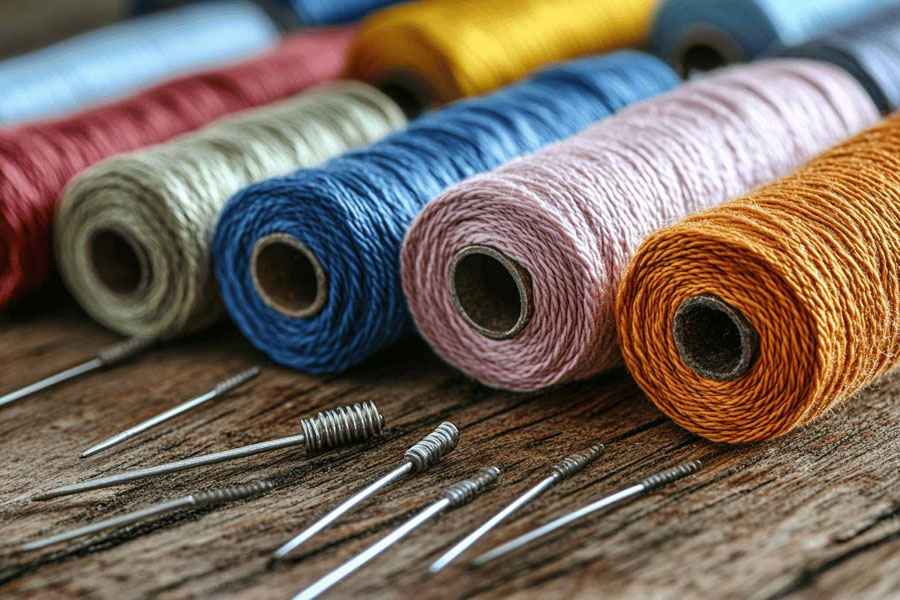
Embroidery offers texture that print cannot replicate. Thread catches light and creates a tactile cue of care and craftsmanship. A well sewn emblem signals pride. Placement matters as much as quality. Logos that sit at the chest or sleeve should be sized for readability without overwhelming the garment. Secondary marks can live quietly at the collar or hem. When embroidery feels integrated, it functions as a lasting indicator of quality.
Thread Colors That Harmonize
Thread color should complement the base fabric. When visibility is key, strong contrast ensures clear recognition. When sophistication is the goal, tonal thread blends with the garment for a refined finish. Matching shades across uniforms and accessories builds consistency. Each stitch becomes part of a larger rhythm, with every thread aligned to the brand’s palette.
Designing for Work, Not Just Looks
A pristine aesthetic is fragile if the garment cannot withstand real conditions. Workwear faces friction, movement, and repeated laundering. Reinforced collars hold their shape. Smooth, flat seams reduce chafing and snag risk. Durable knits and tightly woven shells resist pilling and abrasion. Accessories like pockets and zippers must be reliable, not ornamental. Build for performance first, then polish the final look.
Plan for Heat and Cold
Seasons change, so should the wardrobe. In warmer months, airy fabrics and moisture management keep teams cool and focused. In colder periods, layering systems with base tees, midweight fleeces, and insulated outer shells maintain warmth without bulk. Offer consistent branding across layers so the visual identity remains intact whether people are indoors or outdoors. Thoughtful planning reduces discomfort and supports productivity year round.
Personalization That Serves People
Names and role indicators help customers connect quickly. Keep personalisation subtle and legible. First names on the right chest and a small role tag on the sleeve can guide interactions without turning the garment into a billboard. Use fonts and thread colors that align with the brand and remain readable at a conversational distance. Personalisation should make people more approachable, not distract from the overall design.
A Wardrobe That Scales as Teams Grow
Organisations evolve. The workwear system should evolve without fracturing the visual language. Create a core set of pieces that remain stable over time, then add new items that complement the foundation. Keep label positions, color palette, and logo usage consistent so new uniforms feel like natural extensions. Treat embroidered workwear as a long term investment. Continuity saves time and cost, while steady visuals reinforce brand recognition.
Building Cohesion Across Roles
Teams often include roles with different needs. Office staff may prefer structured polos, while warehouse crews need stretch and rugged fabrics. Field technicians might require weather resistant shells and reflective accents. Rather than forcing a single cut on everyone, design a family of garments that share core elements. Logos, color blocks, and trims should echo across all styles. Cohesion arises when variety sits under one clear identity.
Maintenance That Protects the Finish
Embroidery is resilient, yet routine care preserves its crispness. Recommend wash cycles that match fabric composition, avoid harsh bleaching where possible, and select detergents that protect color vibrancy. Turn garments inside out during washing to reduce abrasion on embroidered areas. If dryers are used, choose moderate heat to prevent distortion. Small habits keep uniforms sharp and ready for daily wear.
Onboarding With Confidence
When new hires receive their uniforms, the moment carries weight. Provide a simple fit guide, care instructions, and options for adjustments. Offer a brief overview of color rules, layering choices, and personalisation standards. This onboarding ritual signals respect and sets expectations. A well prepared package says the organisation values people and details.
FAQ
Why choose embroidery over print for team uniforms?
Embroidery brings texture and depth that feel more premium than flat print. The stitches catch light, resist fading, and wear well through frequent washing. It conveys craftsmanship and care, turning the logo into a lasting feature rather than a temporary mark.
How can a company choose fabrics when roles vary widely?
Start by mapping tasks and environments. If the day involves constant movement, opt for stretch blends and moisture management. If presentation is key, select structured knits with clean drape. Build a fabric set that covers core needs, then adjust finishes for specific roles while keeping the overall palette and branding consistent.
What matters most in getting the fit right across a wide size range?
Offer multiple cuts and lengths, not just more sizes. Include relaxed and tailored fits, petite and tall options, and sleeve variations. Test samples with people who perform different tasks. Their feedback on mobility, coverage, and comfort will refine the pattern more effectively than size grading alone.
How should thread colors be chosen to maintain brand integrity?
Use the brand palette as your north star. High contrast threads improve legibility from a distance, useful for customer facing roles. Tonal threads create subtlety for formal settings. Maintain consistent thread choices across styles so every piece sings the same tune.
What is the best way to plan uniforms for seasonal changes?
Design a layered system that shares branding cues across base, mid, and outer pieces. In warm months, focus on breathable fabrics and light weights. In colder months, offer insulating midlayers and weather resistant shells. Keep logo placement and color consistent so the identity remains clear regardless of temperature.
How can personalisation be included without cluttering the garment?
Limit personalisation to a name and a short role title, placed in predictable positions. Use a legible font and thread color that aligns with the core design. Keep scale modest so the details support conversation rather than dominate the look.
What maintenance practices help uniforms last longer?
Follow care instructions matched to fabric type. Wash on gentle cycles where possible, turn garments inside out, and avoid high heat drying. Store garments properly to protect collars and embroidery. These simple steps keep colors vivid and stitches tight.
How can the wardrobe adapt as the organisation grows or changes?
Anchor the collection with timeless core pieces, then introduce new silhouettes and seasonal layers that respect the original design language. Maintain consistency in logo placement, colors, and trims. This approach allows expansion without fragmenting the brand’s visual identity.