Fortify Doors and Windows
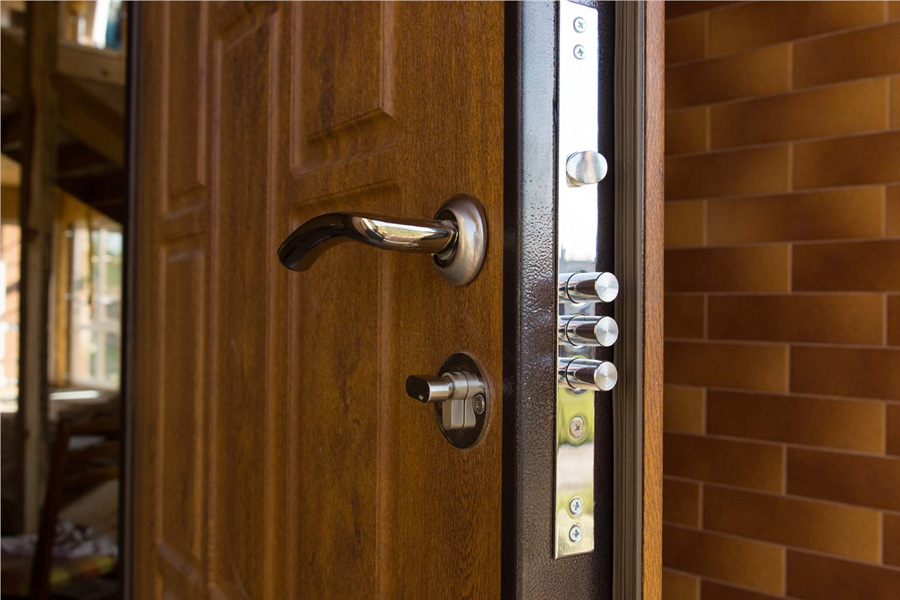
Every home has a frontline. For most, it starts at the door and the nearest ground floor windows. When you renovate, swap out flimsy slabs for solid-core, steel, or reinforced timber doors. Pair them with robust strike plates and long screws that bite deep into the framing. This small change transforms a soft target into a stubborn barricade.
Windows need equal attention. Upgrade locks across the ground floor so that casual prying becomes a nonstarter. Multipoint locks distribute pressure along the frame, while keyed sash locks add a physical layer of deterrence. Think of these entry points as the hinges of your castle. Strengthen them, and the rest of your fortress becomes far more secure.
Smart Locks And Keyless Convenience
Keychains belong to another era. A renovation gives you the perfect moment to introduce smart deadbolts or mortise locks that respond to PIN codes, smartphones, or biometrics. Program temporary codes for guests and tradespeople, then revoke those permissions when the work is done. Set auto-lock timers so a door never stays ajar after a hurried exit.
The real value arrives in daily routines. Smart locks can confirm that every door clicked shut, even if you are miles away. They remove the guesswork from securing the house and replace it with a calm, reliable rhythm.
Intercom And Access Control At The Door
Seeing and speaking to a visitor before opening the door is a simple yet powerful layer of defense. Plan for a video intercom or telephone-entry system as you refine the facade. Mount it where camera angles cover faces and approaches, and ensure the speaker is clear at all hours.
Tie the intercom to your smart locks or an access control panel. This integration lets you buzz in deliveries safely, admit a caretaker, or refuse entry without stepping outside. It is a gatekeeper that works quietly in the background, ready whenever someone presses the bell.
Stronger Glazing And Subtle Sensors
Glass can be a shield. Laminate panes sandwich a durable interlayer that resists shattering, while toughened glass is heat treated to increase strength. Either option greatly improves resilience compared with standard glazing. During renovation, consider where impact is most likely, then match the pane to the risk.
Sensors add invisible awareness. Recessed magnetic contacts disappear into frames and announce openings. Vibration or glass-break detectors listen for trouble and trigger alerts. Security film is another discreet upgrade that holds fragments together if glass is struck. The window keeps its elegant look, yet acts like armor when it matters.
Prewire A Security Backbone
Opportunities for open walls are scarce. Manage your security system with them. For PoE-powered cameras and future devices, run Cat6 or Cat6A to eaves, corners, and the driveway. Return conduit to a central closet to UPS-protect and label network gear.
Inside that hub, reserve shelf space for a router, a network video recorder, and patch panels. Plan for heat management and lockable doors. This tidy backbone turns scattered sensors and cameras into a coordinated system with a single brain and a single heartbeat.
Illuminate The Perimeter
Light is a watchman. When motion floods activate across dark corners, intruders lose cover. Define zones with path lights and low glare wall fixtures near doors, gates, and yard edges. Calibrate sensitivity so pets do not trigger every lamp, yet human movement does.
Landscape with visibility in mind. Prune shrubs along windows and entries, then position lighting to produce long, clear sightlines. At night, the home should look welcoming to guests and unwelcoming to prowlers. That balance is achievable with thoughtful placement and warm, well-directed beams.
Cameras That Blend With Design
Modern cameras no longer demand bulky brackets and harsh aesthetics. Select compact PoE models that match trim colors or hide within architectural lines. As you open walls, run cables to soffits, pergola beams, and fence corners, then mark each location for easy future servicing.
Configure zones that alert only when it matters. A camera watching the front walk should notice a person approaching, not every passing car. Tie feeds into your smart home so you can review clips, speak through two-way audio, or activate lights when motion is detected. The camera becomes both witness and messenger.
Automation That Orchestrates Security
Security works best when it feels effortless. Build automations that run in the background, stitching together locks, lighting, sensors, and cameras. A single tap can trigger an away scene that locks doors, arms sensors, and sets perimeter lights to motion mode. Arriving home can reverse the sequence smoothly.
Use smart plugs and outlets to manage devices that should power down at night or when you leave. Schedule checks that confirm doors are locked and windows are closed. Automation is the conductor that keeps every section in time, so you do not have to.
Hidden Storage And Built-In Safes
Valuables deserve both strength and discretion. During renovation, integrate safes behind false panels, inside custom millwork, or beneath a staircase compartment. Choose fire ratings that match what you plan to store, and consider fingerprint or digital keypads for quick access.
Design should hide hidden storage. Its seamless trim and matching hardware hide it from casual gaze. Unknown objects are challenging to target. Quality bolts and hinges and hiding build calm confidence into the dwelling.
Network Hygiene For A Connected Home
A secure home network is the foundation of every smart feature. Place wired access points where coverage is strongest, then segment smart devices on their own network when possible. Use strong, unique passwords and enable modern encryption. Set time aside to update firmware regularly so vulnerabilities do not linger.
House your router and switches in a ventilated cabinet with battery backup. Label cables and document settings. If an outage occurs, you will be back up quickly. If a device goes offline, you will know where to start. A clean network keeps security systems responsive, reliable, and resilient.
FAQ
Is a solid-core door really that much better than a hollow-core door?
Yes. Solid-core doors resist impact and hold hardware more securely. Hollow-core doors are lighter and easier to damage. When combined with reinforced strike plates and long screws, a solid-core door significantly improves resistance to forced entry.
Do I need wired cameras if I am already using wireless devices at home?
Wired PoE cameras provide consistent power and stable data, which is especially useful for continuous recording and higher resolutions. Renovation is the best time to run cables, even if you also use wireless devices. Wiring now gives you reliable options later.
What is the difference between laminated and toughened glass for security?
Laminated glass has a plastic interlayer that keeps the pane intact when struck, making it harder to breach quickly. Toughened glass is heat treated to increase strength and breaks into smaller, less dangerous pieces when it fails. Both are stronger than standard glass, but laminated glazing resists forced entry for longer.
How should I plan cabling for a future security system when walls are open?
Run Cat6 or Cat6A to likely camera positions such as eaves, corners, and entry points. Use conduit where runs might need changes later. Route all cables to a central, ventilated closet with a UPS, patch panel, router, and network video recorder. Label every drop to simplify maintenance.
Can an intercom integrate with smart locks?
Yes. Many intercom systems connect to access control panels or smart locks. With proper wiring and configuration, you can see a visitor, speak to them, and unlock a door remotely. This integration adds convenience while keeping control firmly in your hands.
How do I secure my Wi-Fi when adding more smart devices?
Create strong, unique passwords and enable modern encryption. Place wired access points for robust coverage, and segment smart devices on a dedicated network if your router supports it. Keep firmware up to date, and store gear in a protected cabinet with battery backup to maintain service during short outages.