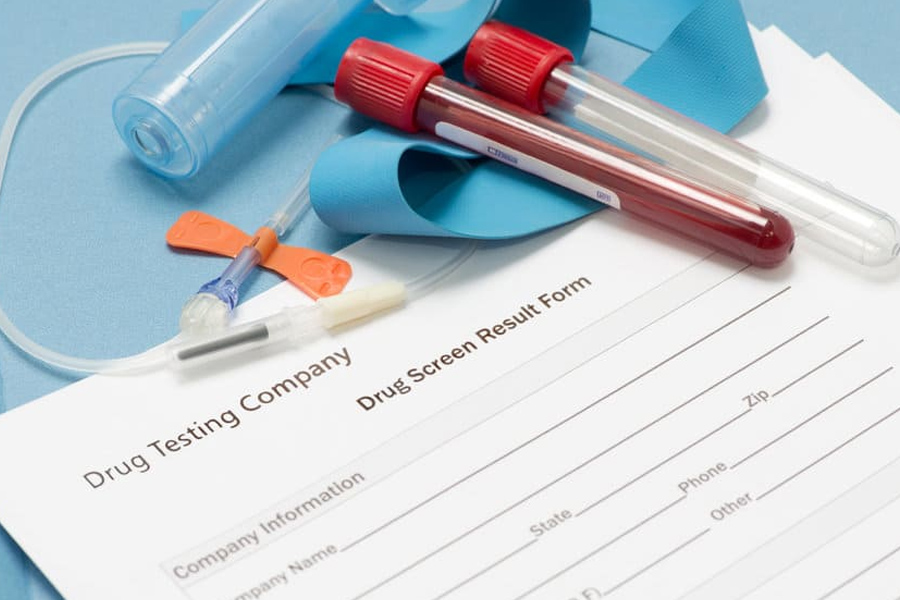
Why Post-Accident Testing Matters
Accidents can disperse tasks and people like storms. Workplace events can disrupt production, bring new hazards, and generate team uncertainty. Drug testing after an accident stabilizes. It confirms whether substance use contributed, improves fair decision-making, and aligns your reaction with regulatory standards. Effective programs safeguard reputation, finances, and people.
Defining Post-Accident Testing
Post-accident drug testing is a targeted evaluation conducted after a workplace incident. The aim is to identify whether alcohol or controlled substances were present and potentially influential. Results can affect workers compensation claims, insurance determinations, return-to-duty decisions, and corrective actions. To stay prepared, organizations should maintain quick access to local collections and labs, whether through on-site services or reliable drug testing near me options.
This testing is not about blame. It is about clarity. By establishing facts, employers can improve safety protocols, refine training, and take proportional steps that reinforce accountability without sacrificing empathy.
The Regulatory Landscape
Different sectors carry distinct obligations. Some safety-sensitive fields require post-accident testing when specific triggers are met, such as incidents involving serious injury, property damage, or citations. Commercial transportation has precise rules for alcohol and controlled substance testing within set time frames after qualifying accidents. Other industries follow state or federal guidance, as well as internal standards tied to risk management.
Non-compliance can bring penalties and undermine defense against claims. A well-structured program meets timing requirements, uses accredited laboratories, preserves chain of custody, and documents every step. The result is a process that withstands scrutiny and supports both legal and ethical responsibilities.
Building a Clear Policy
A crisp policy is the backbone of a consistent response. Use clear language that anticipates real-world scenarios. Include definitions, decision criteria, and step-by-step procedures. Make the policy concise enough to be memorable, yet thorough enough to be actionable.
Key elements to include:
- When testing occurs after an incident and who makes the decision
- Which substances are tested, such as alcohol, marijuana, opioids, amphetamines, cocaine, and others
- Types of specimens used, such as urine, oral fluid, hair, or breath for alcohol
- Required timelines for initiating collections and obtaining results
- Chain-of-custody procedures and documentation standards
- How results influence leave, discipline, return-to-work, and follow-up testing
- Privacy protections and access controls for medical information
When the policy reads like a compass, supervisors can navigate tense moments with confidence.
Selecting a Capable Testing Partner
The choice of provider sets the tone for reliability. Look for:
- Accreditation for the laboratory that will analyze specimens
- Proven experience with post-accident protocols and time-sensitive collections
- Transparent turnaround times with options for rapid screening and confirmatory testing
- On-site mobile capabilities for urgent situations
- Clear chain-of-custody processes from collection to reporting
- Robust data security and protected reporting portals
- Availability outside standard business hours
Before you need the service, verify coverage, rates, and escalation procedures. Time is precious after an incident. The right partner moves quickly without cutting corners.
Logistics, Timelines, and Chain of Custody
Once an incident occurs, the clock starts ticking. Supervisors should initiate the protocol promptly, ensure the scene is safe, and contact the testing provider. If alcohol testing is required, it is often prioritized first due to shorter detection windows. Controlled substance collections follow, with timelines set by policy and applicable rules.
Protecting the integrity of samples is essential. Chain of custody documents every handoff and step, creating a paper trail that is as sturdy as the spine of the process. Common logistics considerations include:
- Transporting employees to a collection site or coordinating mobile collection
- Ensuring donors present valid identification
- Avoiding contamination or tampering through secure collection kits and seals
- Using Medical Review Officers for verified interpretations of results
- Retaining records in secure systems with access limits and retention schedules
When logistics are rehearsed, execution feels like choreography rather than chaos.
Communication and Culture
Words shape outcomes in delicate moments. Clear instructions reduce confusion. Calm explanations build trust. Employees should know in advance why post-accident testing exists and how it will unfold. Discuss privacy rights and the role of testing in legal compliance and safety improvement.
Training supervisors to communicate with clarity and respect can prevent escalations. Keep messages consistent. Emphasize that testing safeguards everyone, not only the organization. Even simple comments can change perceptions. Transparency helps teams accept necessary steps without fear or myths.
Supporting Employees After an Incident
Post-accident testing happens at a difficult time. People may feel anxious, embarrassed, or defensive. Treat them with dignity. Provide access to medical care first. Consider employee assistance programs for counseling and stress management. Offer information about next steps, including timelines for results and how findings are handled.
Empathy does not weaken compliance. It strengthens it. When employees feel supported, they are more likely to participate fully and honestly. That cooperative spirit helps the entire process move swiftly and fairly.
Evolving Methods and Technology
Drug testing continues to evolve. Oral fluid testing offers fast, observed collections that reduce the chance of adulteration. Hair testing provides a longer detection window for certain substances. Expanded panels and lower cutoff thresholds can align with occupational risks. Digital platforms streamline scheduling, notifications, and result delivery, reducing administrative burden.
Stay informed about emerging methods and adjust your policy carefully. The goal is not novelty. It is precision, timeliness, and consistency. An up-to-date program anticipates change and integrates advances that improve accuracy and speed.
FAQ
What triggers a post-accident drug test in the workplace?
Policies typically require testing after incidents involving significant injury, property damage, or citations. Safety-sensitive roles often have stricter triggers. Your policy should define these moments clearly so supervisors know when to act.
How fast should post-accident testing begin?
Initiation should be as prompt as practical, with alcohol testing prioritized due to shorter detection windows. Many industries specify time limits for collections. Build timelines into your policy and train leaders to move quickly.
Which substances are usually included in a post-accident test?
Programs commonly test for alcohol and controlled substances such as marijuana, opioids, amphetamines, and cocaine. Panels can be expanded based on job risk, local laws, and company standards.
What specimen types are used for post-accident testing?
Using urine for banned drugs is common. Dental fluid is being used for monitored collections and fast logistics. Hair can be used for long lookbacks. Alcohol breath testing is common. Policy, regulations, and practical limits should guide the choice.
How are employee rights protected during testing?
Policies must protect privacy, mandate secure handling of medical information, and ensure nondiscrimination. Employees should receive clear explanations of procedures, the purpose of testing, and how results influence decisions.
What happens if an employee refuses a post-accident test?
Consequences are defined by policy and applicable regulations. Refusal may be treated as a violation similar to a positive result, especially in safety-sensitive environments. Communicate this clearly so employees understand the stakes.
How should results be documented and reported?
Use standardized forms, secure portals, and chain-of-custody records. A Medical Review Officer should verify non-negative results. Retain records according to your retention schedule and limit access to authorized personnel.
Can post-accident testing be performed on-site?
Yes. Many providers offer mobile collections to accelerate response. On-site testing can improve timeliness, reduce travel, and preserve productivity. Confirm availability and pricing in advance.