Why Room Choice Matters
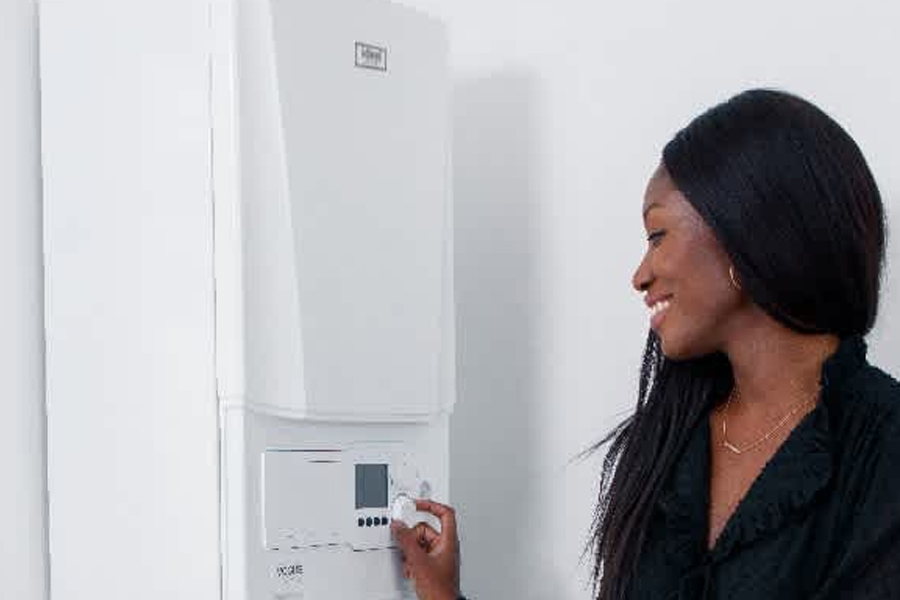
The boiler powering radiators and taps is a home’s secret heart. You barely notice it until it fails. When replacing or renovating, choosing a boiler location becomes a puzzle with safety, comfort, and maintenance features. Installing, servicing, and reducing noise can be easy in the appropriate place. The improper spot can affect flue routing and sleep.
Safety and Regulations Come First
Before you fall in love with a tidy alcove or an empty wall, start with compliance. A boiler must be positioned so its flue can discharge safely to the outside, clear of windows, vents, and walking paths. The room must support proper ventilation and combustion air, whether the appliance is open flued or room sealed. It must be accessible for inspection, repairs, and annual servicing, with enough clearance to remove panels and reach key components without dismantling half a cabinet.
Some spaces carry extra rules. Bedrooms often have stricter criteria around ventilation and appliance type. Lofts may require safe access, lighting, and a stable platform. Regulations also touch on electrical proximity, material fire ratings, and safe routing of the condensate pipe. These guardrails are not obstacles. They are the map to a system that works as designed.
The Kitchen: Practical, Discreet, and Close to Service Lines
For most homes, the kitchen is the most straightforward choice. Gas and water pipework typically already converge there, shortening installation time and keeping costs predictable. Kitchens often share an external wall, which simplifies flue positioning and reduces complicated routing.
A boiler tucked inside a kitchen cabinet blends into the rhythm of everyday appliances. It is easy to reach for servicing. If a leak ever occurs, the splash lands in a water tolerant space, not across a living room rug. Think about ventilation in enclosed cabinetry, and remember that a cabinet door should not hinder access. Clearances matter. Quiet matters too. In many homes, kitchen noise is expected, so you rarely notice a hum behind the cupboard.
Hallway and Airing Cupboard: Central, Accessible, and Cozy for Linens
A wide hallway or an airing cupboard can work well if the layout allows. Being central helps distribute heat evenly and keeps pipe runs shorter. You gain an intuitive service route, often without moving furniture.
Check two things. First, the footprint. A boiler should not narrow a hallway or strain emergency egress. Second, the noise profile. If your cupboard backs onto a bedroom, the gentle whir at night might be less welcome. Provide ventilation where specified, avoid cramped enclosures, and confirm you have adequate clearance around the appliance. Done right, this setup stays neat, safe, and easy to live with.
Lofts and Garages: Out of Sight, Not Out of Mind
Attics and garages appeal when you want the boiler out of living spaces. They quiet the home and hide pipework behind the scenes. This approach can work well, but it is not a set-and-forget choice.
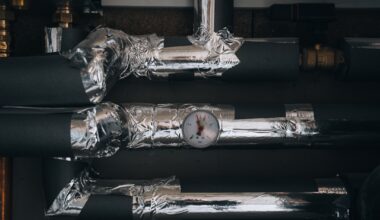
Lofts must be safely accessible. Plan for lighting, a fixed way to reach the boiler, and a solid platform for servicing. Insulate pipework thoroughly, and protect the condensate pipe from freezing. Garages pose similar challenges. Extreme cold can affect efficiency and reliability, while heat from vehicles or equipment can raise concerns. A frost protection strategy and suitable routing for the flue and condensate are essential. If access is inconvenient, routine maintenance becomes a chore, and small issues can grow into larger problems.
Bedrooms and Living Rooms: Comfort vs. Compliance
A boiler near your quiet spaces can invite friction. Bedrooms carry stricter requirements, and noise that is unnoticeable in a kitchen can feel loud at midnight. Living rooms compete for visual simplicity, leaving fewer unobtrusive corners and more chances to interfere with furniture and media systems.
It is not impossible. It is sometimes permitted under the right conditions. But the tradeoffs often outweigh the benefits. If your plan points toward a sleeping or lounging area, give careful thought to ventilation, access, and acoustic impact before committing.
Access, Clearance, and Future Servicing
A well placed boiler respects both daily life and the technician’s toolkit. Doors should open fully. Panels must be removable without bending pipes or tearing drywall. There should be space to stand and work, not just crouch and guess. Filters, isolation valves, and pressure gauges should be reachable. When servicing is smooth, issues get resolved quickly and accurately. When servicing is awkward, even simple tasks take too long.
Noise, Vibration, and the Sound of Comfort
Most modern boilers operate quietly, yet every home has a different acoustic personality. Cupboards can amplify hums, kitchens absorb sounds, and thin walls may transfer vibration. Consider a cabinet liner, anti-vibration mounts, or locating the boiler against sturdier walls. The goal is simple: let warmth travel, not noise.
Flue Routing and External Walls
Flue position can define the whole installation. It must terminate outdoors in a compliant location, with safe clearances from openings and surfaces. Short, direct runs are best. They reduce bends, minimize back pressure, and simplify maintenance. Homes with thick masonry or intricate facades may need creative solutions within the rules. When an external wall sits nearby, everything gets easier.
Condensate Drainage and Protection from Cold
Condensing boilers produce condensate that must drain away safely. The pipe needs an approved route to a waste connection or soakaway, and it should be sized and insulated to prevent freezing. In cold zones, a frozen condensate pipe can shut the system down. Plan for fall, route length, and insulation from the start, especially in garages and lofts.
Work With a Qualified Professional
Every house is unique. Regulations set the boundaries, and a qualified engineer reads the terrain. Before you finalize room layouts, invite a professional to assess flue options, ventilation, access, and pipe routing. A short site visit prevents long delays and keeps your plan aligned with reality. Get the room right, and your boiler will feel like it has always belonged there.
FAQ
Can a boiler be installed in a bedroom?
It depends on the appliance type and local rules. Bedrooms often have stricter requirements around ventilation and noise. Even when allowed, many homeowners choose other rooms to avoid nighttime sound and to simplify service access.
Is the kitchen usually the best place for a boiler?
Yes, in many homes the kitchen is the most practical choice. Existing gas and water services, an external wall for the flue, and a cabinet to conceal the unit make installation straightforward and maintenance easy.
Can I hide a boiler inside a cupboard?
You can, provided the cupboard meets clearance and ventilation requirements. The door should open fully, panels must be removable, and there should be enough space for servicing without removing cabinetry.
Is a loft a good location for a boiler?
It can be, if you ensure safe access, lighting, a stable platform, and robust insulation for pipework. Protect the condensate pipe from freezing and confirm the flue can be routed correctly.
What about installing a boiler in a garage?
A garage keeps the boiler out of living areas and reduces noise, but you must protect the appliance and pipes from cold. Plan condensate drainage carefully and verify that flue termination is compliant.
How much clearance does a boiler require?
Clearance varies by model and local rules. In general, you need enough space for airflow and servicing. An engineer will confirm the specific measurements for your appliance and installation.
Do boilers need room ventilation?
Many modern boilers are room sealed and do not draw air from the installation space. However, even enclosed installations may require ventilation or minimum clearances. Follow the appliance specifications and safety codes.
Can flue position limit my boiler’s location?
Absolutely. The flue must discharge outdoors with safe clearances, which can rule out certain walls or rooms. Choosing a location near a suitable external wall reduces complexity.
Will boiler noise be noticeable day to day?
Most boilers are quiet, but enclosure type, wall construction, and nearby rooms influence perceived sound. Kitchens and utility areas tend to mask minor noise more effectively than bedrooms and living rooms.
Should I choose a room before speaking to an engineer?
Pick a preferred option, but stay flexible. A professional assessment will confirm whether flue routing, ventilation, access, and pipework make your first choice viable.