Why Floor Plans Matter for Everyday Life
A floor plan is more than a map of walls and doors. It is a preview of your daily rhythm. When you read one closely, you can imagine morning light spilling across the living room, a dinner party flowing from the kitchen to the sofa, and a quiet retreat where you close the bedroom door and exhale. The lines hint at how furniture will fit, how storage will serve you, and how people move through the space. A thoughtful layout can make even modest square footage feel generous. A clumsy layout can make a large apartment feel cramped.
From Paper to Space: 2D vs 3D Planning
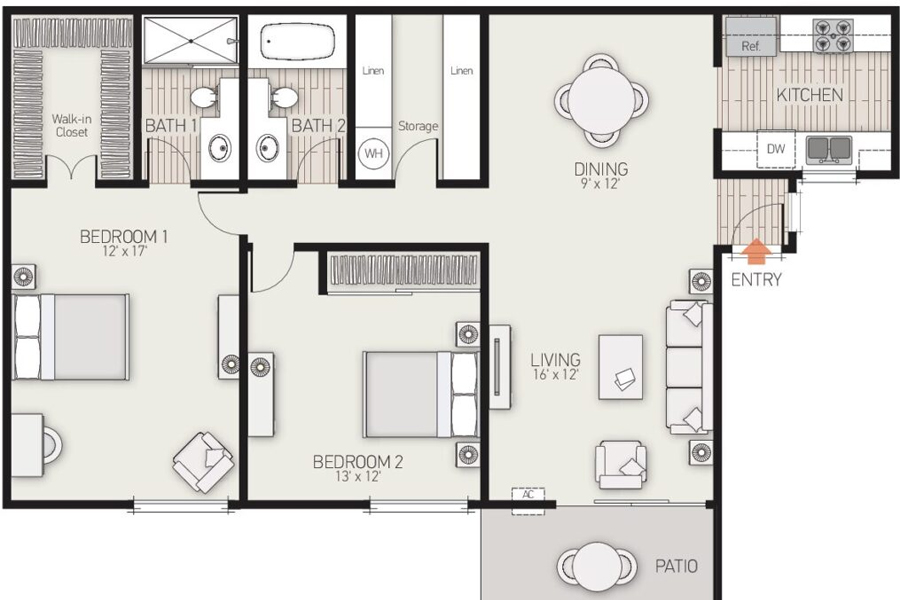
A 2D plan gives you measurements and room labels. It is the backbone of practical decisions. You can confirm wall lengths for a sofa, see door swings that affect furniture placement, and spot window locations to gauge daylight. A 3D visualization deepens that understanding with volume and sightlines. Together, 2D and 3D views help you translate flat drawings into a real home, making scale, circulation, and ambiance easier to picture before you step inside.
Key Layout Terms to Know
Studio and One Bedroom describe two different ways to organize life. A studio merges sleeping, living, and cooking in one main room with a separate bathroom. It suits minimalists and location lovers who treat space as a canvas for flexible zones. A one bedroom separates the sleeping area from the living spaces, adding privacy and clarity to daily routines.
An en suite bathroom is attached directly to a bedroom and accessed only from that room. It elevates privacy and convenience, especially in larger homes. In luxury 4 bedroom apartments, en suites can be standard for every bedroom, so mornings run smoothly and guests enjoy private space.
A walk in closet is a storage room rather than a cabinet. It holds seasonal wardrobes, luggage, and linens, and it keeps surfaces clear. In bigger apartments, multiple walk in closets transform organization from a daily struggle into a quiet strength.
Flex space is the chameleon of the floor plan. It might be a den, office, playroom, or small guest room depending on your life phase. In tight city apartments, this adaptable area can be the difference between comfort and compromise.
A duplex spans two levels linked by an internal staircase. It brings a house like feel into an apartment building with clearer separation of public and private areas. Penthouse duplexes often add high ceilings, generous footprints, and outdoor spaces like balconies or roof terraces. In a 4 bedroom arrangement, the split levels can improve privacy for households with children, roommates, or live in staff.
Flow and Functionality in Practice
Flow governs how rooms connect, and it shows up in daily ease. In modern apartments, an open concept living room, dining area, and kitchen can create a bright social heart. It is ideal for entertaining because sightlines remain open and people naturally gather around an island or dining table. Meanwhile, bedrooms may cluster at the perimeter, forming quiet wings that buffer noise.
The kitchen work triangle aligns the sink, refrigerator, and stove to reduce steps and interruptions. In higher end homes, you might see double ovens, generous counters, and a large island with seating. These features make meal prep a pleasure and turn the kitchen into a destination.
Bedroom privacy is about placement. A split bedroom plan places sleeping rooms on opposite sides of the living area, useful for roommates or multigenerational households. In a 4 bedroom layout for families, grouping children’s rooms near each other while setting the primary bedroom apart creates a calm balance between connection and retreat.
Outdoor spaces carry extra weight in city living. A balcony, patio, or private roof terrace extends the home into the sky. These areas host morning coffee, a container garden, or sunset conversation. In larger apartments, multiple balconies can give each wing a breath of fresh air and a view.
Reading Light, Windows, and Orientation
Windows are gateways to mood. Their size, position, and orientation dictate daylight, views, and the feeling of openness. Consider how many windows sit in the main living area, how they align with seating, and whether bedroom windows face quieter surroundings. Corner units often enjoy light from two directions, creating a livelier atmosphere. Bay windows and floor to ceiling glass elevate the sense of scale. Light is the currency of small spaces, and good layouts spend it wisely.
Matching Size to Lifestyle
The right size hinges on how you live. Work from home requires a dedicated nook or room that stays functional and uncluttered. Frequent hosts benefit from open social zones and defined circulation paths so guests move naturally. Families look for bedroom clusters, private bathrooms, and storage that tames daily mess. Roommates care about equitable bedroom sizes and bathroom access. Think in terms of zones. Sleeping, cooking, lounging, working, and storing should each have a place so routines do not collide.
The Efficient Studio
A studio thrives on smart zoning. A sleeping area, a seating area, and a compact dining or desk corner can coexist without feeling crowded. Area rugs, lighting, and furniture placement draw invisible boundaries. Typical studios sit just under 500 to about 550 square feet, though some are smaller or larger. Success comes from vertical storage, multi purpose furniture, and careful traffic flow. Keep walkways open from entry to kitchen to windows, and let light do the heavy lifting.
Family Sized Floor Plans
For households that need more space, aim for layouts that balance togetherness and privacy. In a 4 bedroom home, the central living area acts as the shared stage, while bedrooms offer personal refuge. En suite bathrooms reduce morning bottlenecks. Walk in closets keep surfaces clear. If noise is a concern, choose floor plans with bedrooms that do not flank high traffic corridors. For people who love to host, kitchens with islands and adjacent dining areas keep conversation easy and circulation smooth.
Duplex and Penthouse Considerations
A duplex can feel like a small house in the sky. Sleeping spaces upstairs with living areas below make mornings and evenings feel distinct. Stairs also add a sculptural element and a natural transition. Penthouse apartments and penthouse duplexes go further with expansive views, taller ceilings, and outdoor terraces. These features heighten the sense of space and privacy. Look closely at how the terrace connects to the living room or kitchen, because easy access encourages everyday use rather than occasional visits.
Storage as a Quiet Superpower
Clutter grows to fill any space. Floor plans with thoughtful storage fight back. Reach in closets near entries absorb coats and shoes. Pantry space keeps counters clear. Linen closets near bathrooms ease laundry days. A walk in closet near the primary bedroom feels like a daily luxury. Storage should be placed where tasks begin and end so organization requires less effort.
FAQ
How can I judge natural light from a floor plan without visiting in person?
Start with window count and placement, especially in the living room and primary bedroom. Note room orientation if the plan provides compass directions. Corner units tend to have better daylight with windows on two sides. Large or floor to ceiling windows indicate stronger light. If possible, confirm whether taller neighboring buildings might block sun at certain hours.
What is a split bedroom layout and why does it matter?
It places bedrooms on opposite sides of the living area. This setup reduces noise transfer and increases privacy. Roommates appreciate the separation, and families can place the primary bedroom away from kids’ rooms. In larger apartments, it also allows for varied storage solutions and en suite bathrooms that keep traffic streamlined.
Are open concept designs always the best choice?
Open concept living creates easy circulation and social connection. It invites light to travel and makes smaller homes feel bigger. However, it offers less acoustic and visual separation. If you work from home or prefer quieter zones, consider partial openness with defined rooms or a flex space that can close off for focus.
What features define a functional kitchen layout?
The sink, refrigerator, and stove form a useful triangle in a good kitchen. Clear counters near cooking areas aid meal prep. Islands or peninsulas provide grocery landing and seating and social anchorage. Double ovens and ample storage improve performance and comfort in luxury flats.
How does a duplex differ from a penthouse apartment?
A duplex spans two internal levels, often separating living areas from bedrooms. It brings a house like feel and a natural sense of privacy. A penthouse is the top floor home, prized for views, ceiling height, and outdoor terraces. A penthouse duplex combines both traits with multi level living at the building’s summit, often adding balconies and roof terraces for an elevated everyday experience.