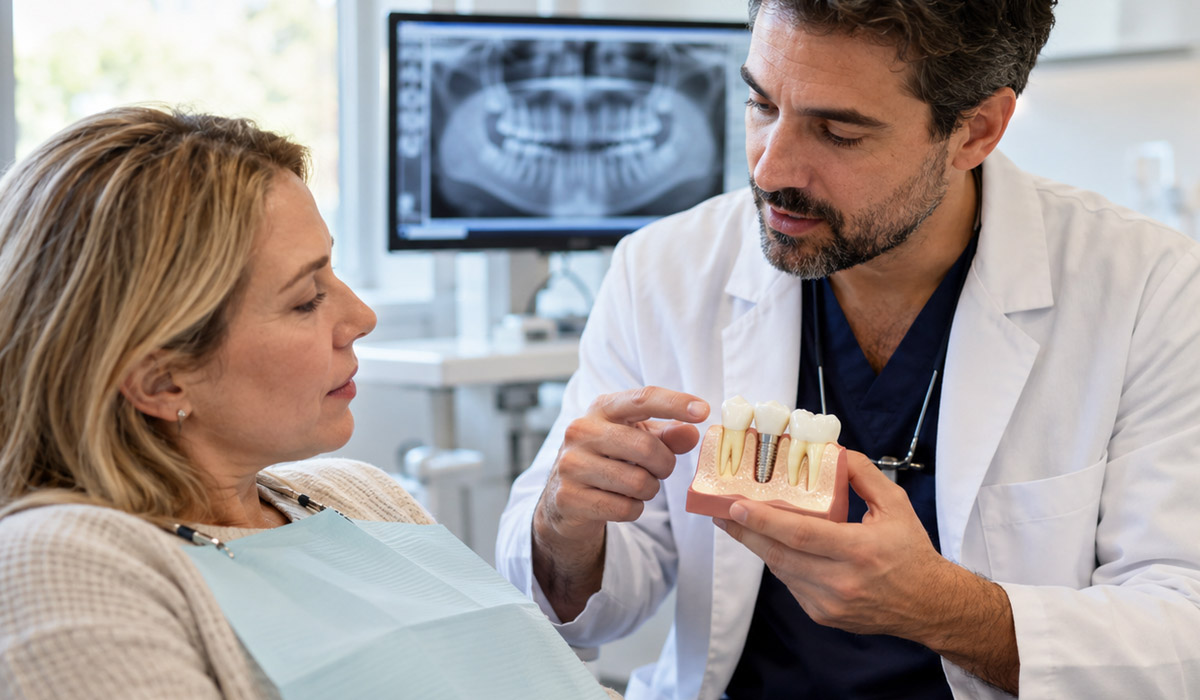
Replacing a missing tooth is a lot like fixing a broken component in a core software architecture. When a gap is left empty, adjacent teeth drift into the vacant space, disturbing your bite alignment and causing quiet bone loss beneath your gums.
Restoring full chewing function requires choosing a permanent structural replacement rather than a temporary surface patch. If you are researching surgical fee breakdowns for dental implant cost in Singapore, evaluating titanium post placement alongside bone grafting requirements gives you a clear baseline for long-term oral planning. Planning your treatment steps early protects your jawbone while avoiding unexpected medical expenses.
The Osseointegration Process and Jaw Density
A dental implant acts as an artificial tooth root made of biocompatible titanium. When placed directly into the jawbone, a natural biological process called osseointegration occurs over three to six months.
During this healing phase, living bone cells fuse directly to the titanium surface. This solid mechanical foundation provides the necessary stability to support a custom ceramic crown, allowing you to chew tough foods with the exact same force as a natural tooth.
The Dental Bridge versus Implant Trade-Off
Standard dental guides often recommend a traditional three-unit bridge because it takes only two weeks to complete. The non-obvious trade-off is that fitting a bridge requires grinding down two completely healthy adjacent teeth to serve as structural anchors.
Grinding away healthy enamel compromises those anchor teeth, increasing their risk of nerve damage and secondary tooth decay over time. Furthermore, because a bridge sits above the gum line without stimulating the underlying bone, the jaw tissue underneath the gap gradually resorbs. Choosing an implant trades a four-month healing window for complete protection of surrounding teeth and preserved jaw structure.
The Cheap Quote Bone Grafting Mistake
A very common and expensive mistake patients make is choosing cut-price implant packages that omit necessary bone grafting. People fall into this trap because promotional quotes listing low baseline fees look like a great deal on paper.
In reality, if a missing tooth gap has been empty for over six months, the underlying jawbone has usually shrunk in height and width. Placing an implant into thin, deficient bone without a supportive bone graft leads to implant instability, bacterial peri-implantitis, and total fixture failure within three years. Correcting a failed implant requires emergency removal, bone reconstruction, and a second replacement procedure that costs twice as much.
Calculating Twenty-Year Replacement Economics
Let us examine a concrete worked example comparing a three-unit dental bridge against a single dental implant over twenty years. Consider an individual who chooses a 1,500-pound dental bridge to save money upfront.
Because a dental bridge has an average lifespan of ten years, the patient requires a complete bridge replacement at year ten costing another 1,800 pounds due to inflation. When secondary decay damages one anchor tooth at year seventeen, the entire structure fails, requiring two implants costing 5,000 pounds. In contrast, an initial single implant costing 3,200 pounds lasts over twenty years with basic oral hygiene. Sourcing an implant upfront saves 5,100 pounds while saving two natural teeth.
Core Habits for Long-Term Maintenance
Ensuring your permanent tooth replacement lasts a lifetime requires establishing simple, repeatable oral hygiene habits. Treating your implant like a high-performance mechanical asset keeps the surrounding gum tissue healthy and infection-free.
Keep these essential operational habits in mind:
- Clean surrounding gum margins daily: Use interdental brushes or water flossers to clear food debris from around the implant abutment.
- Schedule biannual professional cleans: Visit your dentist every six months to check screw tightness and remove hardened tartar.
- Wear a protective night guard: Insert a custom splint if you grind your teeth at night to protect ceramic crowns from excessive biting force.
A Decision Rule for Tooth Replacement
You do not need a dental degree to evaluate which tooth replacement method fits your situation best. You can apply a straightforward decision rule based on adjacent tooth health and gap duration.
If the teeth on either side of your gap already have large fillings or require full crowns, a traditional dental bridge offers a practical dual solution. If your adjacent teeth are completely healthy and untouched, insist on a single dental implant to preserve your natural enamel and protect your jawbone architecture.
Restoring your bite function is ultimately about building a sustainable, long-term oral health system. By avoiding cut-price treatment traps that skip bone grafting, balancing short-term convenience against long-term tooth preservation, and applying clear decision rules, you protect both your smile and your personal finances. Approach your treatment planning with calm strategy, rely on solid clinical facts, and move forward with quiet confidence in your health decisions.