The Core Benefits of Regular HVAC Maintenance and Upgrades
At the heart of a comfortable and efficient home lies a well-maintained HVAC system. We often take our heating, ventilation, and air conditioning for granted until something goes wrong. However, a proactive approach to HVAC care offers a multitude of benefits that extend far beyond simply avoiding a breakdown. It’s one of the most effective ways to control household finances and ensure year-round comfort.
One of the most significant advantages of regular HVAC maintenance is the extension of your system’s lifespan. Most HVAC systems are designed to last around 10-15 years. However, consistent preventative care, including annual tune-ups, can extend this lifespan by as much as 30% to 50%. This means delaying the need for a costly full system replacement, saving you a substantial investment in the long run. A well-maintained system experiences less wear and tear, reducing the likelihood of premature component failure.
Beyond longevity, proper HVAC maintenance and strategic upgrades lead to considerable energy savings. Nearly half of the energy used in a typical home goes to heating and cooling. An inefficient system has to work harder, consuming more energy and driving up your utility bills. Regular tune-ups ensure your system operates at peak efficiency, preventing costly breakdowns by as much as 95% and significantly lowering your monthly energy consumption. For instance, upgrading from an older SEER 10 system to a more efficient SEER 16+ can cut your cooling energy use by roughly 40%. Even smaller changes, like installing an ENERGY STAR certified smart thermostat, can save approximately $100 a year.
Improved indoor air quality is another crucial benefit. Your HVAC system plays a vital role in filtering the air you breathe. Regular filter changes and duct cleaning remove dust, allergens, and other pollutants, creating a healthier living environment, especially for those with allergies or respiratory issues.
Finally, strategic HVAC upgrades can substantially improve your home’s value and appeal. A new, high-efficiency HVAC system is a significant selling point, making your home more attractive to prospective buyers who appreciate modern, energy-efficient amenities. Some estimates suggest a new HVAC system could increase your home’s value by as much as 10 percent. Moreover, a reliable system provides invaluable peace of mind, knowing your home will remain comfortable regardless of the weather outside. For a deeper dive into optimizing your home’s heating cooling and air conditioning systems, exploring comprehensive resources can provide valuable insights into maintaining efficiency and comfort.
Seasonal HVAC Maintenance Schedule for Homeowners
Ensuring your HVAC system is ready for the demands of each season is key to maintaining efficiency and preventing unexpected failures. Just like a car needs regular oil changes, your heating and cooling system benefits from a consistent maintenance schedule. Proactive seasonal tune-ups, ideally performed by a professional, are essential for optimal system performance and longevity.
Spring and Summer Cooling Season Preparation
The ideal time to prepare your cooling system is in late winter or early spring, before the warmest temperatures arrive in July 2026. This allows technicians to address any issues before your system is under heavy load.
A professional cooling season tune-up typically involves:
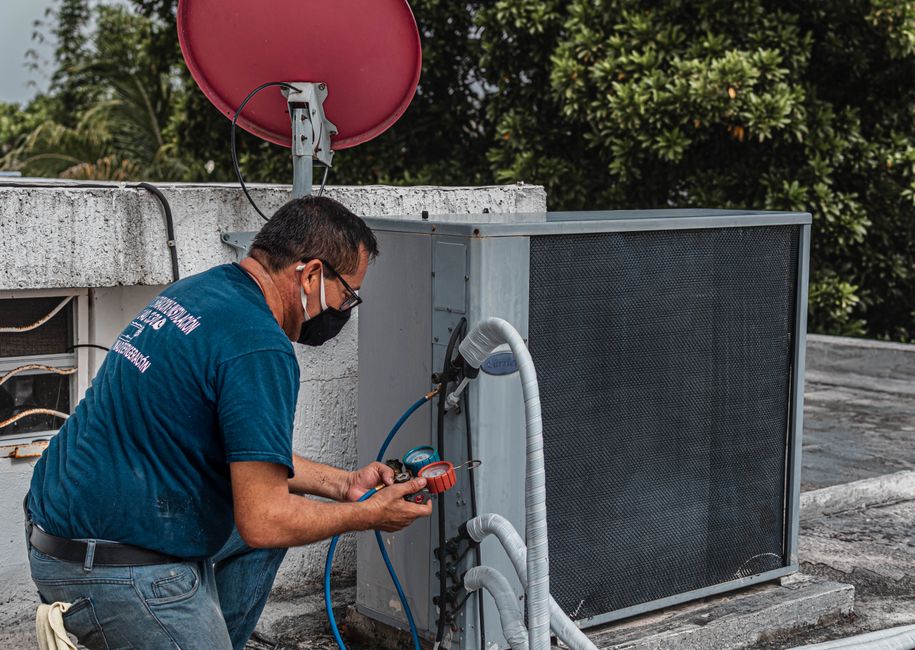
- Cleaning Condenser Coils:The outdoor unit’s coils can accumulate dirt and debris, hindering heat transfer. A technician will clean these, often using a hose, to restore efficiency.
- Checking Air Filters:While you should check your air filter monthly and change it at least every three months, a technician will ensure it’s clean and properly installed. A dirty filter restricts airflow, forcing your system to work harder and increasing energy consumption.
- Inspecting the Condensate Drain:This drain removes moisture collected during the cooling process. A clogged drain can lead to water damage and increased humidity.
- Verifying Refrigerant Levels:Low refrigerant levels can indicate a leak and reduce cooling capacity. A professional will check levels and address any leaks.
- Electrical System Check:Ensuring all electrical connections are secure and components are functioning safely.
For central air conditioning systems with a furnace, the outdoor temperature needs to be above 60 degrees Fahrenheit for an accurate tune-up. If you have a heat pump, the temperature should be above 35 degrees Fahrenheit.
Fall and Winter Heating Season Preparation
As summer transitions to fall, typically in early fall before the coldest temperatures hit, it’s time to prepare your heating system.
A professional heating season tune-up often includes:
- Furnace Inspection:A thorough check of all furnace components, including the burner, ignition system, and fan.
- Heat Exchanger Examination:This is a critical safety check, especially for gas furnaces. Cracks in the heat exchanger can lead to dangerous carbon monoxide leaks.
- Carbon Monoxide Detector Check:Technicians will often remind you to test your carbon monoxide detectors, a vital step before turning on your heating system for the season.
- Thermostat Calibration:Ensuring your thermostat accurately reads and controls temperatures for consistent comfort and efficiency.
- Ductwork Inspection:Checking for leaks or obstructions that could impede airflow and reduce heating efficiency.
General home maintenance tasks also play a role. Cleaning gutters prevents water damage that could affect basement furnaces, and sealing cracks around windows and doors reduces drafts, easing the burden on your HVAC system.
High-Impact HVAC Upgrades for Maximum Efficiency
Investing in HVAC upgrades is not just about replacing old equipment; it’s about enhancing your home’s overall energy performance, comfort, and long-term value. While a full system replacement is a significant undertaking, several cost-effective upgrades can make a substantial difference.
Integrating Smart Thermostats with HVAC Maintenance and Upgrades
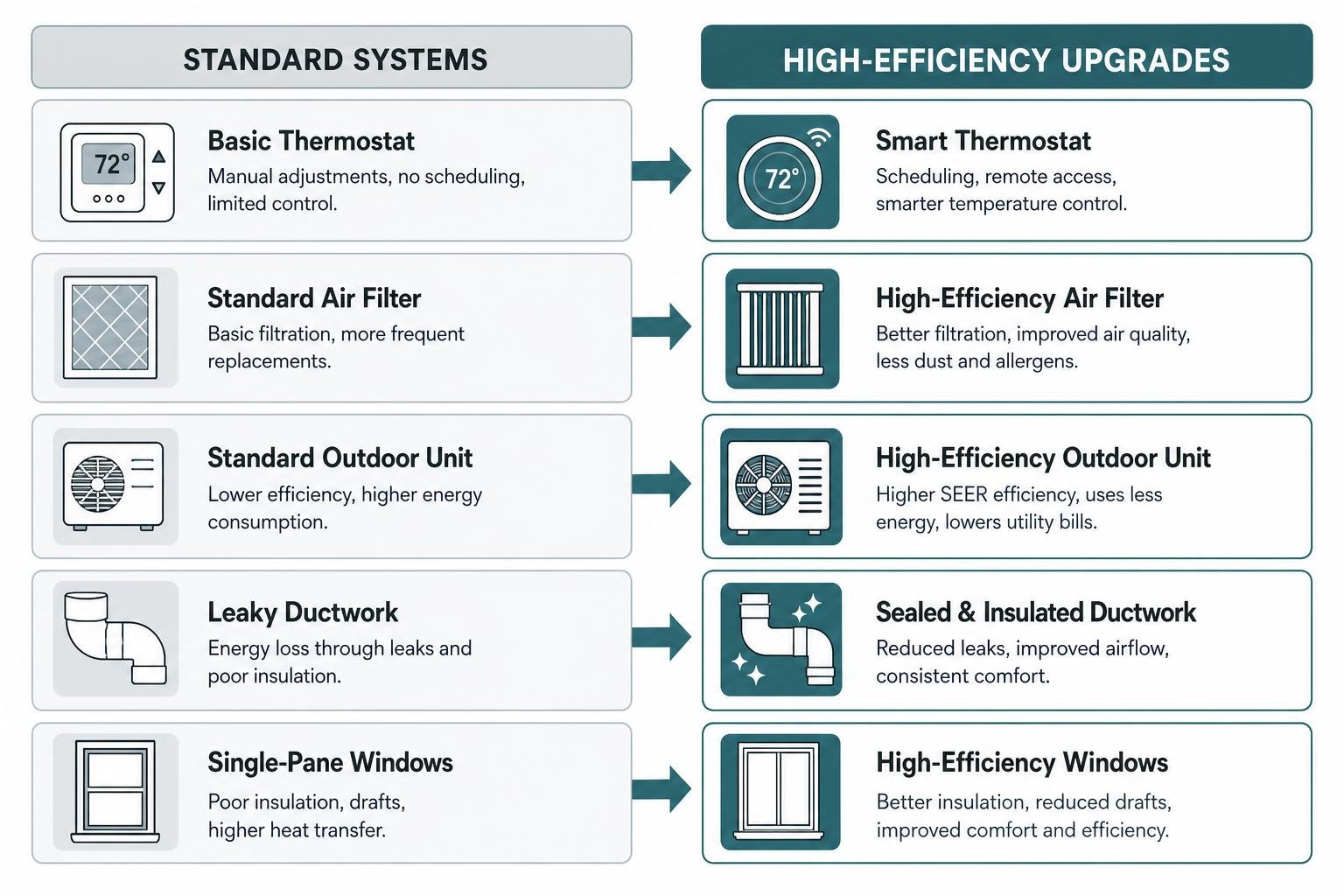
One of the most accessible and impactful upgrades is the installation of a smart thermostat. These devices go beyond simple temperature control, offering advanced features like:
- Temperature Scheduling:Program your heating and cooling to align with your daily routine, ensuring comfort when you’re home and savings when you’re away.
- Remote Access:Control your home’s temperature from anywhere using a smartphone app, allowing you to adjust settings before you arrive home or if you forget to change them when you leave.
- Energy Savings Reports:Many smart thermostats provide insights into your energy usage, helping you identify patterns and optimize settings for maximum efficiency.
- System Optimization:Some models can learn your preferences and automatically adjust settings, further refining comfort and energy consumption.
Homes with high heating and cooling bills can save approximately $100 a year with an ENERGY STAR certified smart thermostat, making it a quick return on investment.
Transitioning to Heat Pumps and Modern HVAC Maintenance and Upgrades
For homeowners considering a major system overhaul, transitioning to a heat pump system represents a significant leap in efficiency and environmental responsibility. Modern heat pumps are incredibly versatile, providing both heating and cooling from a single unit. They work by transferring heat rather than generating it, making them far more energy-efficient than traditional furnaces or air conditioners.
Key benefits of heat pumps include:
- Exceptional Energy Efficiency:Air source heat pumps, for example, use around 50% less electricity than electric resistance heating. They can provide up to 100% of a home’s heating and cooling needs, even in colder climates.
- Environmental Impact:As the industry transitions away from refrigerants like R-410A (which will no longer be manufactured for new sale after 2025) towards low-GWP (Global Warming Potential) refrigerants such as A2L refrigerants (R-454B, R-32), heat pumps are at the forefront of this eco-friendly shift. This reduces your carbon footprint significantly.
- Dual Functionality:A single unit handles both heating and cooling, simplifying your home’s HVAC infrastructure.
Beyond smart thermostats and heat pumps, other high-impact upgrades include:
- Zoning Systems:These allow you to control temperatures in different areas or “zones” of your home independently. This means you only heat or cool the spaces you’re using, drastically reducing energy waste.
- Duct Sealing and Insulation:Leaky or uninsulated ductwork can be a major source of energy loss. Sealing and insulating ducts, especially in unconditioned spaces like attics or crawlspaces, can improve your HVAC system’s efficiency by as much as 20 percent. This ensures conditioned air reaches its destination without loss.
- Improved Home Insulation and Weatherproofing:Addressing the home’s envelope first—adding insulation to walls and attics, and sealing air leaks—reduces the overall heating and cooling load, allowing your HVAC system to work less and more efficiently.
When considering such significant changes, it’s crucial to consult with professionals who can perform a Manual J load calculation. This detailed assessment ensures your new system is perfectly sized for your home’s specific needs, avoiding the pitfalls of an oversized or undersized unit. For expert guidance on HVAC installation repair maintenance, especially when considering advanced systems like heat pumps, seeking out qualified professionals is always recommended.
Warning Signs Your System Needs Professional Attention
Your HVAC system often provides subtle clues before a major breakdown occurs. Paying attention to these warning signs can help you address issues proactively, potentially saving you from costly emergency repairs and prolonged discomfort. Ignoring these indicators can lead to decreased efficiency, higher energy bills, and a shortened system lifespan.
Here are the most common warning signs that your HVAC system needs professional repair or replacement:
- Weak Airflow:If you notice that air isn’t coming out of your vents with its usual force, or if some rooms feel significantly warmer or colder than others, it could indicate several problems. These include a clogged air filter (which you should check first), issues with the blower motor, or obstructions and leaks in your ductwork. Poor airflow means your system is struggling to distribute conditioned air effectively.
- Strange Noises:HVAC systems should operate relatively quietly. Banging, rattling, grinding, squealing, or screeching sounds coming from your unit are clear indicators of mechanical problems. These noises could point to a loose belt, a failing motor bearing, a fan blade hitting something, or other internal component issues that require immediate attention.
- Frequent Cycling (Short-Cycling):If your system turns on and off frequently in short bursts, rather than completing a full heating or cooling cycle, it’s known as short-cycling. This can be caused by an oversized system (a common issue from improper installation), a faulty thermostat, or low refrigerant levels. Short-cycling wastes energy, reduces comfort by not properly dehumidifying the air, and puts excessive strain on the compressor, leading to premature wear.
- Inconsistent Temperatures:Despite setting your thermostat to a comfortable level, do you find some rooms are too hot while others are too cold? This “hot and cold spot” phenomenon can be a sign of poor ductwork design, leaky ducts, an improperly sized system, or issues with your thermostat or zoning system. It indicates your system isn’t distributing conditioned air evenly throughout your home.
- Unusual Smells:Any unusual odors emanating from your vents should not be ignored. A burning smell could indicate an electrical problem or overheating components. A musty or moldy smell suggests moisture buildup within the ducts or evaporator coil, potentially leading to mold growth. A sulfur or rotten egg smell (especially with gas furnaces) is a serious warning sign of a gas leak and requires immediate professional intervention.
- Unexplained Increase in Energy Bills:If your utility bills suddenly spike without a corresponding increase in usage or changes in weather, your HVAC system is likely losing efficiency. This could be due to a lack of maintenance, a failing component, or a system that is simply too old to operate efficiently anymore.
- System Age:Most HVAC systems have a lifespan of about 10-15 years. If your system is approaching or has exceeded this age, it’s more prone to breakdowns and will operate less efficiently. While repairs might offer a temporary fix, the increasing frequency and cost of repairs often make replacement a more economical long-term solution.
Addressing these warning signs promptly with a professional HVAC technician can prevent minor issues from escalating into major, expensive problems, ensuring your home remains comfortable and your energy bills stay in check.
Frequently Asked Questions About Home Comfort Systems
Homeowners often have questions about the best practices for maintaining their HVAC systems and making informed decisions about upgrades. Here, we address some of the most common inquiries to help you ensure optimal home comfort and efficiency.
How often should I change my home’s air filter?
Changing your home’s air filter regularly is one of the simplest yet most impactful maintenance tasks you can perform. We recommend checking your air filter monthly, especially during peak heating and cooling seasons (summer and winter). As a general rule, you should change your air filter at least every three months, or whenever it appears dirty.
The frequency can increase based on several factors:
- Pets:Homes with pets often require more frequent filter changes (every 1-2 months) due to increased dander and fur.
- Allergies/Asthma:If anyone in your household suffers from allergies or respiratory conditions, changing filters monthly can significantly improve indoor air quality.
- Occupancy:Heavily occupied homes or those with frequent visitors may need more frequent changes.
- Construction/Renovation:During periods of home renovation or construction, filters can get clogged much faster.
- System Usage:If your HVAC system runs almost continuously, filters will accumulate dirt more quickly.
Why is it important? A dirty air filter restricts airflow, forcing your HVAC system to work harder to push air through. This not only increases energy consumption and utility bills but also puts undue strain on the blower motor, potentially leading to premature system failure. Furthermore, a clogged filter compromises indoor air quality by failing to trap dust, pollen, and other airborne particles effectively.
What is a Manual J load calculation and why does it matter?
A Manual J load calculation is the industry-standard methodology for accurately determining the precise heating and cooling requirements of your home. Unlike older, less precise methods (like simply basing system size on square footage or the size of your old unit), a Manual J calculation is a detailed, room-by-room assessment performed by a qualified HVAC professional.
It considers numerous factors specific to your home, including:
- Geographic Location and Climate:Local temperature extremes, humidity levels, and sun exposure.
- Home Orientation:Which way your home faces relative to the sun.
- Window and Door Specifications:Size, type (e.g., double-pane, low-E), and shading.
- Insulation Levels:In walls, ceilings, and floors.
- Air Infiltration:How much outside air leaks into your home.
- Number of Occupants:The heat generated by people.
- Internal Heat Gains:Heat from appliances, lighting, and electronics.
- Ductwork Condition and Location:Whether ducts are in conditioned or unconditioned spaces.
Why does it matter? Proper system sizing is critical for both comfort and efficiency.
- Avoids Oversizing:An oversized system will “short-cycle,” meaning it quickly cools or heats your home and then shuts off. This leads to poor dehumidification (making your home feel clammy even if it’s cool), increased wear and tear on components, and higher energy bills.
- Avoids Undersizing:An undersized system will run constantly, struggling to reach the desired temperature, leading to discomfort and high energy consumption.
- Optimal Efficiency:A correctly sized system operates more efficiently, maintains consistent temperatures, and effectively manages humidity levels, providing superior comfort and lower energy costs.
- System Longevity:By operating under appropriate loads, a properly sized system experiences less stress, extending its lifespan.
Insist on a Manual J load calculation before purchasing a new HVAC system to ensure you get the right equipment for your home.
What does a professional HVAC tune-up entail?
A professional HVAC tune-up is a comprehensive inspection and maintenance service performed by a certified technician, typically once or twice a year. It’s akin to a preventative check-up for your car, designed to optimize performance, prevent breakdowns, and extend the life of your system.
While the exact checklist may vary slightly between providers, a thorough tune-up generally includes:
- System Performance Check:The technician will assess the overall operation of your heating or cooling system, checking temperatures, pressures, and airflow.
- Coil Inspection and Cleaning:Both the indoor evaporator coil and the outdoor condenser coil will be inspected for dirt and debris. Dirty coils significantly reduce efficiency, so cleaning them is a crucial step.
- Electrical Inspection:All electrical connections, wiring, and components (capacitors, relays, contactors) will be checked for wear, corrosion, or damage to ensure safe and reliable operation.
- Refrigerant Level Inspection:For cooling systems, refrigerant levels will be checked. If levels are low, it indicates a leak, which the technician will identify and repair.
- Condensate Drain Cleaning:The drain line and pan will be cleared of any blockages (like algae or mold) to prevent water overflow and potential damage.
- Lubrication of Moving Parts:Motors and bearings will be lubricated to reduce friction and wear.
- Thermostat Calibration:The thermostat will be checked for accuracy to ensure it’s reading and controlling temperatures correctly.
- Ductwork Visual Inspection:A basic check for obvious leaks or damage in accessible areas of your ductwork.
- Safety Controls Check:Ensuring all safety mechanisms are functioning correctly.
Benefits of a Professional Tune-Up:
- Prevents Breakdowns:A tune-up can help prevent up to 95% of costly breakdowns by identifying and addressing minor issues before they escalate.
- Improves Efficiency:A clean, well-adjusted system runs more efficiently, leading to lower energy bills.
- Extends System Lifespan:Regular maintenance reduces wear and tear, helping your system last longer.
- Maintains Warranty:Many manufacturers require proof of annual professional maintenance to keep your warranty valid.
- Enhances Comfort and Air Quality:Ensures consistent temperatures and better indoor air filtration.
Conclusion
The journey to year-round home comfort and efficiency is paved with proactive HVAC maintenance and strategic upgrades. From the simple act of regularly changing your air filter to the significant investment in a high-efficiency heat pump, every step you take contributes to a more comfortable, healthier, and cost-effective living environment.
We’ve seen how consistent preventative care extends the life of your heating and cooling systems, dramatically reduces energy consumption, and improves the air quality inside your home. Understanding the seasonal demands on your HVAC system and recognizing the warning signs of impending issues empowers you to act before small problems become major emergencies. Furthermore, embracing modern upgrades like smart thermostats and efficient heat pumps not only provides immediate savings and enhanced comfort but also boosts your home’s value and aligns with a more sustainable future.
By prioritizing your HVAC system’s health, you’re not just maintaining equipment; you’re investing in your family’s well-being and the long-term financial health of your home. Make proactive care a cornerstone of your home maintenance routine, and enjoy the peace of mind that comes with reliable, efficient, and comfortable indoor living, no matter what the weather outside brings.