Key Takeaways
- Recognize the telltale indicators that your roof needs replacing.
- Understand the factors that influence replacement costs.
- Compare popular roofing materials and their unique advantages.
- Familiarize yourself with each step in the replacement process.
- Discover maintenance techniques that extend your roof’s lifespan.
Replacing your home’s roof is an important decision that safeguards your home’s structure and overall value. Whether dealing with leaks, aging shingles, or aesthetic updates, understanding the replacement process can save time and money. For homeowners in Colorado, reliable support from trusted professionals is crucial. Discover more by consulting roofing contractors Colorado for expert guidance and services tailored to your region.
Navigating roof replacement involves evaluating factors such as cost, materials, and long-term maintenance to ensure lasting results. Making informed choices leads to successful investments that add both beauty and protection to your home. Understanding these key elements also helps you plan for future maintenance and avoid surprises.
Signs It’s Time for a Roof Replacement
Recognizing when a replacement is necessary can protect your home from further damage. Here are some clear signs to look for:
- Age:Asphalt shingles typically last between 20 and 25 years. An older roof is more susceptible to issues and might need attention.
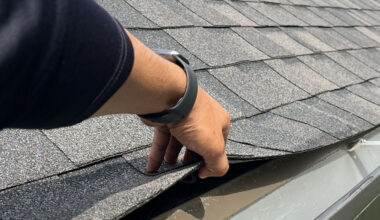
- Damaged Shingles:Watch for cracked, curling, or missing shingles, which often indicate structural wear. These imperfections reveal that the roofing materials have outlived their effectiveness.
- Leaks:Water stains or discoloration on ceilings and walls suggest a compromised roof. Leaks often indicate larger structural problems that require immediate resolution.
- Loss of Granules:If gutters collect bits of asphalt granules, the shingles could be wearing out prematurely. This kind of deterioration affects how well your roof protects your home from the weather and UV rays.
Understanding Roof Replacement Costs
Several elements come into play when calculating the total investment for a roof replacement. Each can greatly affect your final budget:
- Size and Complexity:Larger roofs or homes with multiple peaks and valleys will inevitably increase material and labor demands, making the project more costly.
- Materials:The type of roofing material selected, such as asphalt shingles, metal panels, or slate tiles, dramatically influences overall costs. For example, while asphalt shingles remain affordable, premium materials like slate are much more expensive but last significantly longer.
- Labor:Your region and the company’s experience will impact labor rates. Specialized contractors with excellent reputations often charge more for their expertise but deliver better quality and warranty terms.
- Permits and Disposal:Many municipalities require special permits for roof work. Additionally, disposing of the old materials, especially if the roof is particularly old or damaged, can introduce extra fees.
Based on recent data, the typical U.S. residential roof replacement cost reached $17,631 in 2025, up 33% from the previous four-year average. This reflects both higher material prices and increased labor costs as reported by Carrier Management.
Choosing the Right Roofing Material
Selecting the best material ensures that your new roof offers the ideal balance of aesthetics, performance, and cost. Here are a few popular options:
- Asphalt Shingles:The most economical and common choice, designed to last around 20 to 30 years with routine care.
- Metal Roofing:A long-lasting, energy-efficient alternative that often comes with warranties up to 70 years. Metal roof options include aluminum, steel, or copper, each with unique advantages.
- Slate Tiles:Known for unmatched durability and curb appeal, slate roofs can last a century or longer but come at a premium price and require professional installation for best results.
For an in-depth look at comparing roofing materials and making the right choice for your needs, explore this trusted Consumer Reports roofing buying guide.
The Roof Replacement Process
A clear understanding of the replacement steps leads to minimal disruption and maximized efficiency. Here is a typical process sequence:
- Inspection:Trained professionals assess the current roof’s structure and identify points of failure.
- Removal:All damaged and existing roofing material is carefully removed, including shingles and underlayment.
- Decking Repair:After exposing the decking, any compromised wood or foundational elements are repaired or replaced for a proper base.
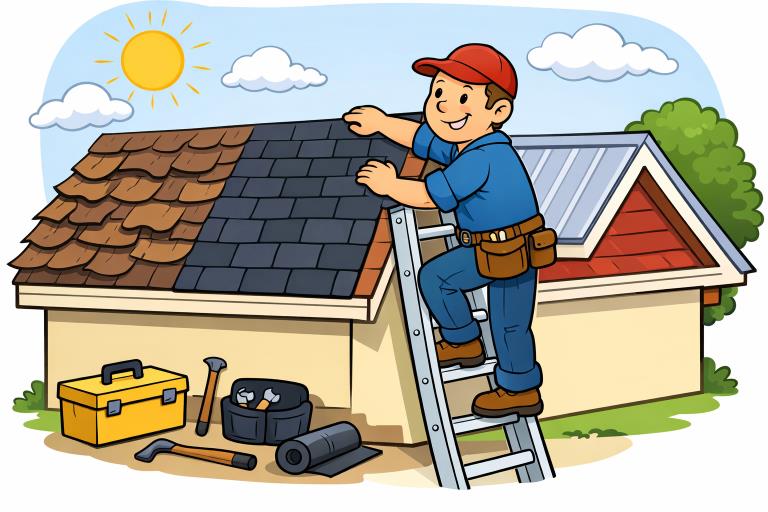
- Installation:Workers install new underlayment, flashing, and your selected roofing material. Proper sealing is essential during this stage to prevent leaks and weather damage.
- Cleanup and Final Inspection:Once installation concludes, crews perform a thorough site cleanup using magnets to remove stray nails and debris, then finish with a comprehensive inspection to ensure quality artistry.
Maintenance Tips for Longevity
A well-maintained roof regularly outlasts neglected counterparts. Follow these maintenance tips for a roof that stands the test of time:
- Routine Inspections:Perform visual checks after severe weather and at least twice a year, focusing on shingles, flashing, and gutters for wear or damage.
- Clean Gutters:Keeping gutters free of leaves and debris prevents water buildup, which can damage the roof and the underlying structure of the home.
- Prompt Repairs:Address any minor issues, such as loose shingles or visible cracks, immediately before they snowball into significant concerns.
Staying ahead on roof care not only protects your home but also maximizes your investment, delaying future replacement costs and emergencies.
For ongoing insights and the latest homeowner roof-care news, refer to regularly updated resources like Better Homes & Gardens: Roofing Materials Guide.