Key Takeaways
- Modern luxury perfumes blend artistic creativity with scientific innovation to create unique and memorable scents.
- Recent trends in the fragrance industry emphasize individuality, sustainability, and the use of rare ingredients.
- Understanding the intricate process behind perfume creation enhances appreciation for these olfactory masterpieces.
Introduction
Luxury perfumes have long been associated with elegance, refinement, and personal expression, reflecting centuries of artistic tradition and cultural significance. Today’s fragrance industry continues to merge heritage-inspired techniques with modern scientific advancements, resulting in sophisticated scents that appeal to a wide range of preferences. For fragrance enthusiasts seeking an exceptional olfactory journey, creations like Clive Christian’s Inox perfume showcase the pinnacle of contemporary perfumery. By combining rare ingredients, meticulous craftsmanship, and the rich allure of a luxurious oud perfume, these fragrances deliver a distinctive, memorable sensory experience that embodies true luxury.
Today’s fragrance houses combine the emotional resonance of art with the technical expertise of science to develop perfumes that transcend simple aroma. From conceptualizing scent to perfecting its formula, luxury perfumes forge an intimate connection between the wearer and their personal style. These creations reflect more than just ephemeral fashion. They represent memories, aspirations, and a deliberate decision to stand apart.
How perfumes express character and artistry have continually expanded alongside emerging trends that shape the broader luxury market. The most coveted scents are now highly nuanced, offering consumers a journey of self-expression while also addressing modern values such as sustainability and ethical responsibility.
This evolving landscape has also seen an increase in demand for independent perfumers and artisanal brands, each seeking to craft distinctive products that tell stories through their notes, origins, and design. By embracing tradition and innovation equally, luxury perfumery remains at the forefront of both beauty and personal identity.
The Evolution of Luxury Perfumes
Perfume has deep roots that stretch back to ancient cultures where fragrant resins, oils, and rare blossoms were treasured for ceremonial use and social status. As centuries passed, techniques for extracting and blending scents grew more sophisticated, particularly during the Renaissance and the subsequent golden age of French perfumery. The twentieth century ushered in a new era, invoking marketing and celebrity culture while still relying on the master perfumers to craft elegant compositions. Today, the landscape is defined by individuality and the drive to create singular experiences that connect emotionally and aesthetically with each user.
Artistic Expression in Perfumery
At its core, perfume creation is an act of artistry. Perfumers, often referred to as “noses,” use aromatic materials as a painter uses color. They layer top, heart, and base notes to construct fragrances that unfold over time, creating a symphony of scent on the skin. Recent collaborations highlight this intertwining of artistic disciplines. One striking example is the partnership between artist Bouke de Vries and fashion designer Dries Van Noten, who together designed sculptural porcelain bottles for Van Noten’s perfumes, bridging tactile art with olfactory storytelling.
Scientific Innovation in Fragrance Creation
Science has continually shaped the possibilities within perfumery. Traditional methods such as enfleurage have given way to molecular distillation and headspace technology, enabling perfumers to isolate specific scent molecules and reproduce natural aromas previously impossible to capture. These advancements result in purer, more enduring fragrances, helping brands craft scents that are authentic to their inspiration. The deliberate marriage of artistry and chemistry enables creators to refine legacies or break entirely new ground within luxury perfumery. Major publications like The New York Times have explored how technology is reshaping the industry’s boundaries and capabilities.
Sustainability and Ethical Sourcing
Conscious consumption is influencing the entire luxury market, and perfume is no exception. More brands commit to responsible sourcing, working directly with growers to ensure fair wages and environmentally friendly harvests. There is also a growing emphasis on reducing carbon footprints, promoting refillable packaging, and tracking ingredient origins. Sustainable luxury is not just a trend but a new baseline for trust and transparency in the industry. The integration of these values strengthens the connection between product and consumer, mpurchasinga luxury scent a meaningful gesture.
The Role of Packaging in Luxury Perfumes
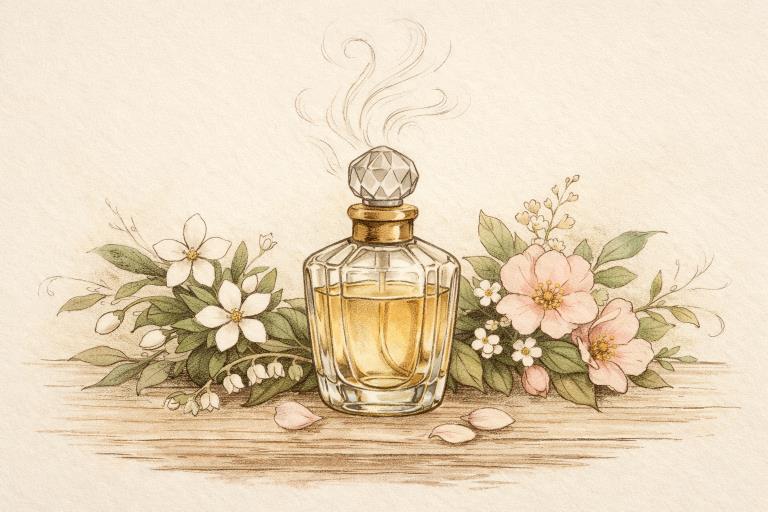
Packaging serves both functional and aesthetic purposes, protecting delicate compositions while also offering the first impression of exclusivity. Exquisite bottles act as objects of desire, with some collections resembling works of art or jewelry. This careful design enhances the ritual of applying perfume, making it a tactile luxury as well as an olfactory one. Maison Margiela’s Scentsorium Collection is noted for its artistic, design-driven approach to bottle design, demonstrating the importance of presentation in building a lasting allure for luxury perfume consumers.
Current Trends in Luxury Fragrances
- Personalization:Customization is at the forefront, with perfume houses offering bespoke creation sessions to tailor scents to personal stories and preferences. This movement toward made-to-order luxury heightens the sense of ownership and individuality.
- Unconventional Ingredients:Increasing experimentation with notes such as roasted sesame and smoked nuts has expanded the traditional boundaries of fragrance. These unique blends appeal to those seeking avant-garde olfactory experiences.
- High-Value Offerings:Some brands are setting new benchmarks for exclusivity by releasing limited-run perfumes that double as collectible art, targeted at discerning connoisseurs and collectors. This trend reflects a broader emphasis in luxury on rarity and the personal value of experience over mass-produced luxury goods.
Conclusion
Modern luxury perfumes exemplify a balance between time-honored artistry and next-generation science, producing creations that are as meaningful as they are memorable. The pace of innovation continues to accelerate, empowering wearers to select fragrances that resonate with their unique personalities and values. Whether through scientific advancement, sustainable sourcing, or artistic collaborations, luxury perfumes provide more than just a pleasant scent. They serve as a deeply personal statement and an enduring form of self-expression.