Key Takeaways
- Identify common household pests and understand their behaviors.
- Implement preventive measures to deter pest infestations.
- Utilize natural and chemical solutions appropriately.
- Know when to seek professional pest control services.
Dealing with household pests is an unfortunate reality for many homeowners. While encountering pests like ants, cockroaches, or rodents can be unsettling, implementing smart, safe control strategies ensures peace of mind without endangering your family’s health. There are comprehensive pest control programs in Sudbury for year-round protection that provide proactive solutions and help you take control over your living environment.
A balanced approach focuses on prevention, the sensible use of control methods, and knowing when professional intervention is necessary. Keeping pests away from your home often requires a blend of natural remedies, proper sanitation practices, and, if needed, responsible application of chemical solutions. No matter which approach you take, safety for your loved ones and pets should always remain a top priority.
Below, you will find a practical guide to the most common household pests, how to prevent infestations, and what to do if a problem arises. By following these steps, you can keep your home sanitary and pest-free year-round.
In this article, we will also highlight key tips for ongoing prevention and detail when professional help is advisable. Hence,o you never feel overwhelmed or unsure in the event of an infestation.
Common Household Pests
The first step in tackling any pest problem is to recognize exactly what you are up against. Several species are known for invading residential spaces, each with its own behaviors and risks. The following are the most frequent unwelcome guests:
- Ants:Constantly seeking food and water, ants can quickly form trails if sources are left accessible.
- Cockroaches:Preferring damp, dark spaces such as kitchens and basements, cockroaches can transmit bacteria and contribute to allergies.
- Rodents:Mice and rats damage structures and wiring, pose a fire hazard, and can carry harmful pathogens.
- Spiders:Although most are harmless, certain species have venomous bites that pose health concerns.
Understanding the habits of each can help you target your prevention and control efforts effectively. More details about these pests are available from resources such as the EPA’s Pest Control and Pesticide Safety for Consumers.
Preventive Measures
Prevention is always better than intervention. Keeping pests out starts with good habits and attention to detail around your home. Focus on the following practices to create a less inviting environment for pests:
- Seal Entry Points:Check for cracks around windows, doors, and where pipes enter your house. Seal these gaps with caulk or weatherstripping.
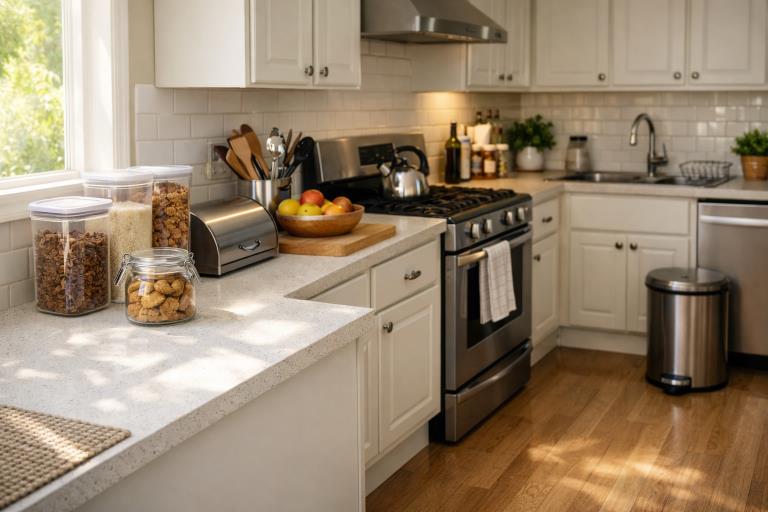
- Maintain Cleanliness:Regularly sweeping, wiping surfaces, and promptly washing dishes helps eliminate crumbs that attract pests.
- Proper Food Storage:Store pantry staples in airtight containers, and do not leave pet food out unattended overnight.
- Manage Moisture:Repair leaking faucets to keep your home dry. Humid environments offer pests an easy water source.
Adopting these basic measures is often enough to prevent most household invasions. For householders living in areas prone to specific pests, seasonal checks can further help maintain a healthy home.
Natural Pest Control Methods
Many homeowners prefer natural control options as a first line of defense before resorting to chemical solutions. Safe and non-toxic methods include:
- Essential Oils:Peppermint, citrus, and lavender are known to deter ants, spiders, and other insects. Add a few drops to cotton balls and place them in entryways or corners.
- Diatomaceous Earth:A fine, natural powder that can be sprinkled in areas where you have seen cockroaches or other crawling insects. It damages their exoskeleton and leads to dehydration.
- Vinegar Solutions:A diluted vinegar-and-water solution can be sprayed along baseboards and entry points to disrupt scent trails ants use and discourage spiders.
- Bay Leaves:Simple yet effective. Placing bay leaves inside cupboards and pantries can discourage weevils and pantry moths.
Homeowners seeking in-depth information on natural pest control methods may find further guidance in this Good Housekeeping guide to natural pest solutions.
Chemical Pest Control Options
If preventive and natural methods fall short, chemical controls may become necessary. When used correctly, these products can quickly bring pest populations under control. Always read labels and follow all directions to prevent harm:
- Insecticide Sprays:Quick-acting and effective on contact, although they should be applied with caution around children or pets.
- Boric Acid:Usually dusted in out-of-the-way crevices, boric acid works especially well for cockroaches when placed where pets cannot reach.
- Insect Growth Regulators (IGRs):Prevent certain insects from maturing and reproducing, reducing the risk of future infestations.
- Gel Baits:Often used for ants and cockroaches, these baits can be placed in targeted spots, minimizing hazards to non-target species.
For additional guidance on the safe use of household pesticides, consult the Environmental Protection Agency’s recommendations.
When to Call Professionals
Although many minor infestations can be controlled on your own, there are situations where calling in a licensed pest control specialist is warranted:
- The infestation is severe or ongoing despite your best efforts.
- Dangerous pests such as termites, carpenter ants, or bedbugs are present.
- You are unsure about the type or source of the infestation and want an expert evaluation.
Professional services will assess the situation, identify the pest, and develop a custom plan that is safe for your household. These experts also have access to specialized tools and treatments not available to the general public.
Maintaining a Pest-Free Home
Consistency is key to preventing unwelcome returns. Routine inspections of both your home’s interior and exterior help catch potential entry points early. Trim shrubs, clear debris from around foundations, and ensure window screens fit tightly. Inside, keep storage areas dry and clutter-free to eliminate hiding places.
- Regularly inspect and clean pantries, basements, and attics.
- Repair any damage to siding, roofing, or screening.
- Keep outdoor garbage bins sealed and away from doorways or windows.
When you combine vigilance with the right prevention and treatment solutions, you will drastically reduce the chances of pests becoming an ongoing problem in your home. With these simple habits and strategies, a pest-free and healthy household is entirely within reach.