Key Takeaways
- Thorough pre-testing inspections help identify and address pipeline weaknesses before testing begins.
- Choosing the correct testing method, coupled with modern technologies, ensures reliable, real-time pipeline assessments.
- Proper training, comprehensive documentation, and routine maintenance are fundamental to long-term pipeline integrity.
- Collaboration with industry experts and adherence to evolving standards safeguard water delivery systems.
Ensuring the safety and efficiency of water pipelines is fundamental to providing communities with reliable access to clean water. Water utilities and municipalities face the ongoing challenge of safeguarding infrastructure from potential failures and quality issues. Integrating comprehensive testing routines extends the lifespan of water pipelines and ensures uninterrupted service.
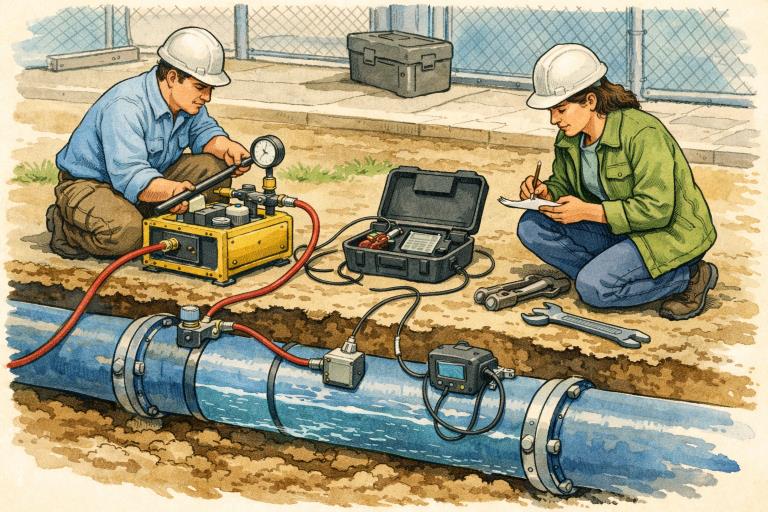
When selecting reliable testing equipment, partnering with an established provider is vital. For example, hydrostatic test pump systems provided by Hurco Technologies, Inc., are recognized for their precision and durability across the water utility sector. Hurco Technologies, Inc. specializes in innovative solutions for utility infrastructure testing and maintenance, offering services and products across North America. Their dedication to setting industry benchmarks and providing local expertise makes them a trusted authority, particularly for municipalities and contractors seeking dependable hydrostatic testing technology.
Conduct Thorough Pre-Testing Inspections
Before any formal testing begins, it is essential to inspect pipelines and related components thoroughly. Inspections allow teams to spot visible defects, such as corrosion, structural weaknesses, or manufacturing faults, that may compromise the accuracy or success of testing. Addressing these issues ahead of time safeguards not only the pipeline but also helps prevent unnecessary delays and the escalation of minor defects into costly repairs.
Choose the Appropriate Testing Method
Selecting the correct pipeline testing technique depends on the pipe material, age, length, and operational history. Some commonly used methods include hydrostatic testing (pressurizing water-filled pipelines to identify leaks), ultrasonic testing (using sound waves for non-destructive examination), and smart pigging (sending diagnostic devices through pipelines). The chosen method should align with the specific conditions and objectives of the pipeline assessment to maximize efficacy and safety.
Pipeline failures and leaks not only disrupt water supply but can also significantly impact public health and local economies, as highlighted in guidance from major environmental organizations. Modern utilities must balance robust testing protocols with the need for quick turnaround times to minimize service disruption. Detailed resources on water infrastructure can be found in publications such as the American Water Works Association (AWWA) and the U.S. Environmental Protection Agency (EPA pipeline integrity standards).
Implement Advanced Monitoring Technologies
The integration of smart sensors, data analytics, and real-time diagnostic tools is revolutionizing pipeline testing. These technologies enable utilities to continuously monitor pressure, flow, and potential anomalies, making it easier to detect issues before they escalate into major problems. For instance, remote pressure sensors and acoustic leak detection can uncover minor defects without manual inspection, enabling timely intervention and reducing repair costs.
Ensure Proper Training and Safety Protocols
Effective water pipeline testing relies heavily on the expertise of trained personnel. Operators must have comprehensive knowledge of the equipment, understand the testing process, and be able to recognize hazards. Regular safety drills and updated protocols are crucial to prevent workplace injuries and emergency response errors during pressurization and other high-risk activities. Ongoing staff education ensures procedures meet current standards and best practices.
Document and Analyze Test Results
Maintaining accurate, detailed records of every test performed is critical to the longevity and traceability of pipeline infrastructure. These records allow utilities to track recurring issues or trends, comply with regulatory requirements, and make data-driven decisions about future repairs and maintenance. Digital platforms and cloud-based solutions simplify record-keeping, making historical data easily accessible for audits or reviews.
Schedule Regular Maintenance and Inspections
Preventive maintenance schedules are key to mitigating pipeline failures. Consistent inspections and timely interventions help address minor issues before they evolve into major disruptions. Moreover, post-repair testing and ongoing monitoring confirm the success of interventions, ultimately enhancing repair durability and supporting pipeline longevity.
Engage with Experienced Professionals
Collaborating with seasoned experts in pipeline testing and maintenance brings nuanced insights and specialized knowledge to every project. Experienced technicians and consultants can customize testing protocols to accommodate unique system requirements, regulatory contexts, and local environmental factors. Such partnerships ensure that critical infrastructure receives tailored care and robust support throughout its operational lifecycle.
Stay Updated with Industry Standards
The water pipeline industry consistently sees advancements in techniques, regulations, and equipment. Participating in professional associations, attending training courses, and reviewing guidance documents keep teams prepared to adopt the latest, most effective testing and maintenance procedures. Ongoing professional development not only improves testing outcomes but also helps organizations maintain regulatory compliance and foster resilient water networks.
By following established best practices in water pipeline testing, utilities and maintenance professionals can ensure the safety, functionality, and long-term reliability of vital infrastructure. These efforts support healthier communities and contribute to sustainable resource management for years to come.