Key Takeaways
- Evaluate your home’s square footage, insulation, and climate before choosing a furnace.
- Select the most suitable furnace type based on efficiency, fuel source, and home needs.
- Hire a licensed, experienced contractor for proper installation and compliance with codes.
- Prep the installation site and secure pets and breakables before technicians arrive.
- Maintain your furnace regularly to protect your investment and keep it running efficiently.
Installing a new furnace is one of the most important upgrades a homeowner can make for improved comfort and energy efficiency. Whether you are replacing an outdated system or choosing a new setup for a recently purchased home, careful preparation is essential for a hassle-free experience. If you live in a city with wide seasonal temperature swings, searching for expert furnace services in Toronto can help ensure a safe and efficient installation tailored to your local needs.
From initial assessment to final system checks, each step of the process can impact your home’s warmth and your utility bills for years to come. Homeowners should make informed decisions regarding equipment selection, contractor expertise, and ongoing maintenance. Knowing what to expect and what steps to take in advance is key to a smooth process for everyone involved.
Assess Your Heating Needs
Before installing a new furnace, it is crucial to thoroughly evaluate your heating requirements. Take into account your living space’s square footage, ceiling height, insulation levels, and window types. Local climate is another critical factor. In northern regions, where winters can be severe, having the right-sized furnace can mean the difference between cozy comfort and sky-high bills. A professional energy audit can help identify areas where your home could benefit from additional insulation or air sealing before committing to a new system. Sizing a furnace properly avoids inefficiencies associated with choosing a unit that is too small or too large for your home, a common and costly mistake the U.S. Department of Energy notes.
Choose the Right Furnace Type
Several types of furnaces are available on the market, each suited for different needs and situations. The most common types are gas, electric, and oil furnaces. Gas furnaces offer fast, reliable heat and generally lower monthly energy bills, but they require access to a gas line and regular maintenance to ensure safe operation. Electric furnaces are quieter and easier to install and maintain, but typically cost more to run in areas with high electricity prices. Oil furnaces are less common but may be ideal for homes in locations without natural gas service. Your selection will depend on factors such as your existing infrastructure, energy costs, and environmental considerations.
Select a Reputable HVAC Contractor
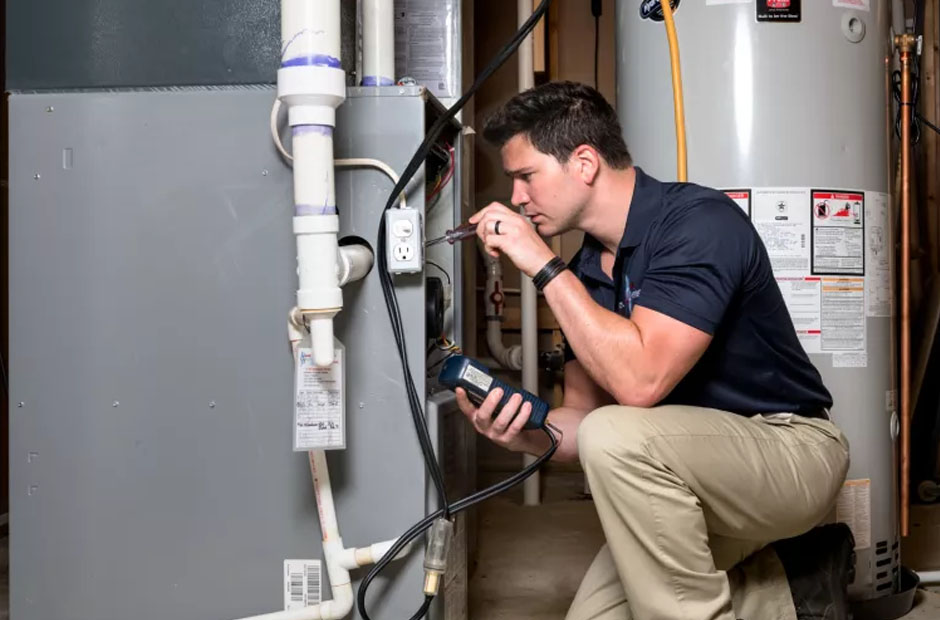
Choosing the right HVAC contractor is perhaps the most important decision you will make regarding a new furnace. Look for companies with verified credentials, manufacturer certifications, and positive customer reviews. A reliable technician will perform a full assessment of your home, help you select suitable equipment, and ensure the installation meets both manufacturer standards and local codes. Reputable contractors are also insured, so you are protected in the event of an error or accident during the installation process.
Prepare Your Home for Installation
Getting your house ready will allow installers to work quickly and efficiently. Start by removing clutter or storage items from the area where the furnace will be installed, as well as all pathways technicians will use to move tools and equipment in and out. Make sure that access points to the electrical panel, thermostat, and (if applicable) gas shutoff valve are unlocked and easy to reach. Pets should be secured in another room for their safety and to give workers space to focus. Taking these simple steps minimizes disruptions and helps prevent accidental damage or loss.
Understand the Installation Process
Knowing what to expect from a standard furnace installation can help set realistic expectations:
- Existing Furnace Removal:The process begins by safely disconnecting and disposing of the old furnace in accordance with local environmental guidelines.
- Site Preparation:The installation area is cleaned and checked for adequate ventilation and clearances. Technicians may complete minor repairs or adjustments if needed.
- New Furnace Setup:The new unit is positioned accurately, connected to ductwork, wiring, and energy sources (such as gas or electrical panels), and secured in place.
- Testing and Fine-Tuning:After installation, the system undergoes a full performance check to identify leaks, check thermostat function, and calibrate settings for optimal performance and safety.
- Homeowner Orientation:The installer will review the furnace operation process, demonstrate proper thermostat use, and outline recommended maintenance tasks.
Schedule Regular Maintenance
After your new furnace is installed, scheduling routine maintenance ensures longevity, greater efficiency, and lower risk of costly repairs. Replace or clean your air filter every 1 to 3 months, depending on usage and manufacturer guidelines. Annual professional inspections will catch issues before they become performance or safety problems, and many warranties require documented maintenance to remain covered.
Conclusion
Installing a new furnace is a multi-step process that significantly impacts your comfort, energy use, and peace of mind. By evaluating your needs, choosing equipment wisely, working with honest professionals, and maintaining your system regularly, you can expect a smooth and stress-free furnace installation process that keeps your home warm for many winters to come.