Many homeowners focus on visible improvements, such as a fresh coat of paint or a manicured lawn. Still, the real threats to property value often lie beneath the surface. Hidden issues such as invasive tree roots, poor drainage, and failing septic systems can silently erode a home’s integrity, leading to costly repairs and diminished resale value. Understanding these threats and taking timely action is crucial to maintaining both safety and financial investment.
1. Aggressive Tree Roots: Nature’s Hidden Saboteurs
Trees provide shade, beauty, and even improved property aesthetics, but some species are far from harmless. Aggressive tree roots, particularly from species such as willows, maples, and poplars, can spread widely and deeply in search of water and nutrients. When left unmanaged, these roots can invade pipes, foundations, and underground utilities, causing damage that is both expensive and disruptive.
How Roots Cause Damage
- Cracking Pipes:Roots often infiltrate sewer lines through small cracks or joints, leading to blockages or complete pipe collapse.
- Foundation Pressure:As roots grow, they can exert pressure on foundations and basement walls, causing cracks and uneven settling.
- Sidewalk and Driveway Lifting:Pavement near large trees may buckle or lift due to root expansion, creating trip hazards and requiring costly repairs.
Solutions That Work
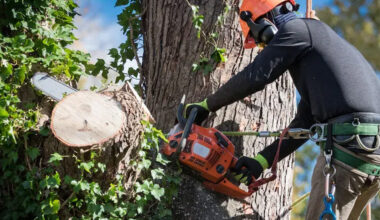
Homeowners should prioritize professional tree management. Services like admtreeservicesllc.com specialize in identifying hazardous trees, safely removing them, and addressing root systems to prevent ongoing threats. DIY removal is rarely effective, as stumps and hidden roots left behind can continue causing damage.
Early Warning Signs
Being proactive can prevent significant issues. Watch for these indicators:
- Slow-draining sinks or toilets
- Repeated pipe blockages
- Cracked or lifted sidewalks
- Uneven or sinking patches in the yard
Early detection allows for targeted removal, minimizing repair costs and preserving underground structures.
2. Drainage Failures: Silent Erosion of Value
Water is both essential and destructive. Improper drainage can quietly compromise a home’s foundation, particularly when water pools around the perimeter. Over time, excess moisture can erode soil, weaken structural supports, and create conditions conducive to mold and mildew growth.
Common Drainage Problems
- Pooling Water:Low spots in the yard can lead to standing water, which seeps into the foundation.
- Clogged Gutters and Downspouts:Blockages prevent proper water flow, leading to overflow and erosion.
- Soil Shifting:Water saturation can cause soil to shift, potentially destabilizing underground systems and creating cracks in walls or floors.
Preventive Measures
Simple maintenance and adjustments can protect your home:
- Direct gutters at least 6 feet away from the foundation
- Install French drains or swales to redirect water.
- Inspect crawlspaces for moisture accumulation.
- Avoid planting water-loving trees near critical underground systems.
By addressing drainage issues early, homeowners can prevent both structural damage and interference with septic systems or utility lines.
3. Septic System Damage: Invisible but Devastating
Septic systems are critical to home function, yet they are often neglected until a major problem arises. Roots, soil shifts, or poor maintenance can damage tanks, pipes, and drain fields. When a system fails, the consequences extend beyond inconvenience; potential health hazards and significant repair costs threaten both homeowners and property value.
How Septic Systems Fail
- Root Intrusion:Tree roots can infiltrate septic lines, creating blockages or pipe collapse.
- Drain Field Saturation:Excess water or improper grading can overwhelm the system, leading to backups.
- Aging Infrastructure:Older systems are more susceptible to cracking, leaks, and collapse.
Recognizing the Signs
Prompt attention is crucial. Homeowners should watch for:
- Persistent odors in the yard or home
- Slow drainage in multiple fixtures
- Wet spots or unusually green areas in the yard
- Frequent backups or overflows
Professional Repair Solutions
Restoring a septic system requires specialized knowledge. Experienced septic tank repair Northern Virginia can assess damage, replace compromised sections, and ensure the system operates efficiently. Attempting DIY repairs or delaying professional assistance can exacerbate the problem.
Avoiding Common Mistakes
- Don’t plant large trees near your tank or drain field
- Avoid flushing non-biodegradable items or chemicals that can harm the system
- Schedule regular inspections and maintenance
- Don’t ignore minor slow-draining issues; they often signal larger problems
By taking a proactive approach, homeowners safeguard both their system’s functionality and the property’s long-term value.
Protecting Your Home’s Underground Infrastructure
The combined effects of invasive roots, poor drainage, and failing septic systems can quietly undermine your home. Addressing these silent threats requires a dual approach:
- Preventive Action:Identify hazardous trees and drainage issues early. Maintain your yard and regularly inspect underground systems.
- Professional Intervention:Engage qualified tree services and septic repair experts to address problems safely and effectively.
Homeowners who act early reduce costly repairs, protect their investment, and ensure their property remains safe and functional.
Conclusion
The hidden war beneath your home can have lasting consequences if left unchecked. Aggressive tree roots, drainage failures, and failing septic systems are silent killers that compromise structural integrity and reduce property value. By recognizing warning signs and seeking professional solutions, including expert tree removal and septic tank repair in Northern Virginia, you can protect your home from these invisible threats. Staying vigilant and proactive ensures that your home remains both valuable and secure for years to come.